
Bwindi Impenetrable Forest
This is Uganda’s most visited national park and is home to half the world’s mountain gorilla population with 50 gorilla families but only 20 are habituated. Located in the southwestern part of Uganda 512 kilometers from Kampala.
The park’s wonderful geographical cover takes you through the 4 trailheads of the impenetrable forest namely ruhija, buhoma, rushaga, and nkuringo.
Gorilla Habituation In Bwindi
Gorilla habituation is the second activity that draws you closer to mountain gorillas for 4hours at only 1500USD. This is very different from trekking as you enter the jungle with several rangers and guide getting to a specific gorilla family where you are to be quiet and observant taking pictures of your like and videos.
Gorilla trekking in Bwindi
Face-to-face with the mountain gorillas, a once-in-a-lifetime wildlife activity
Arriving very early at the park headquarters depending on a given sector (trailhead), you will a briefing and then penetrate the thick forest with several experienced rangers and guides. Take you through the different vegetational covers and birds as you allocate the gorillas.
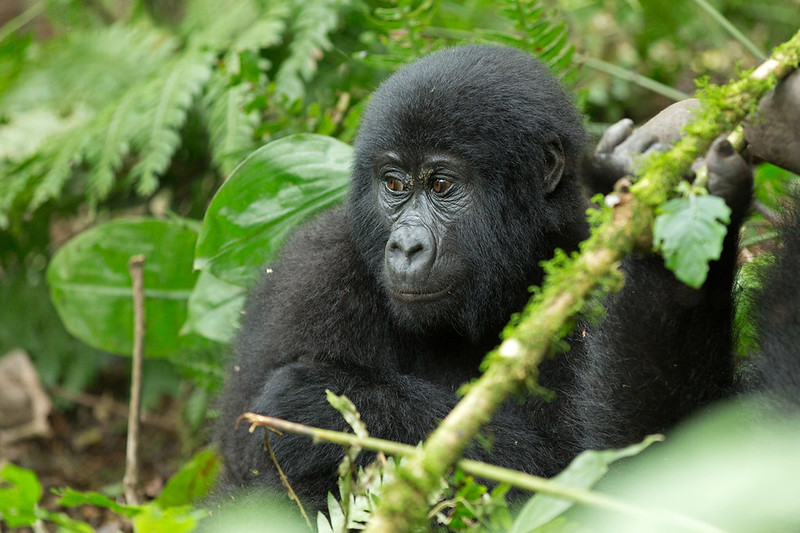
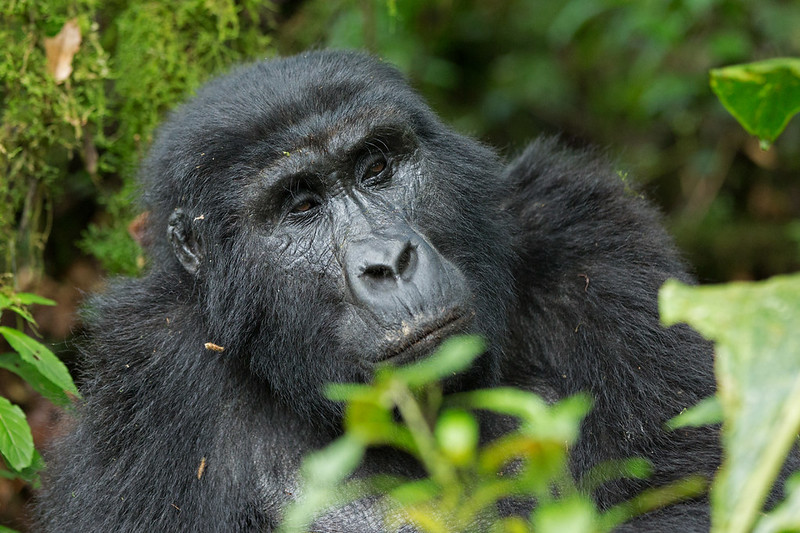
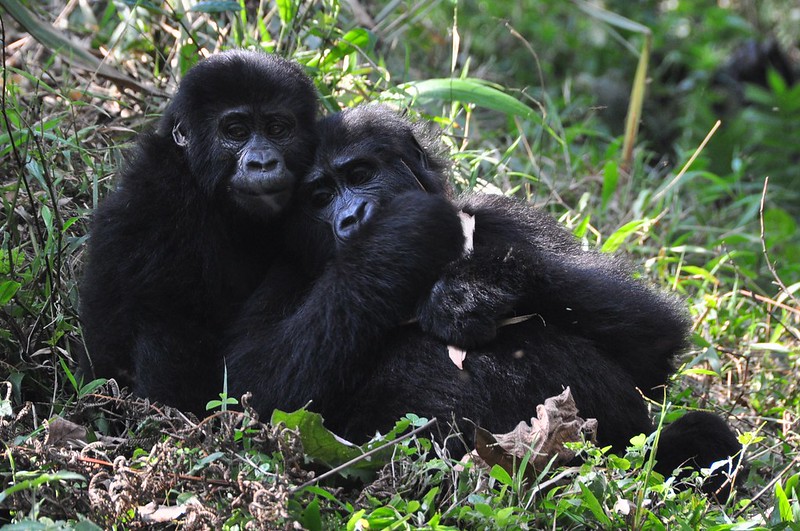
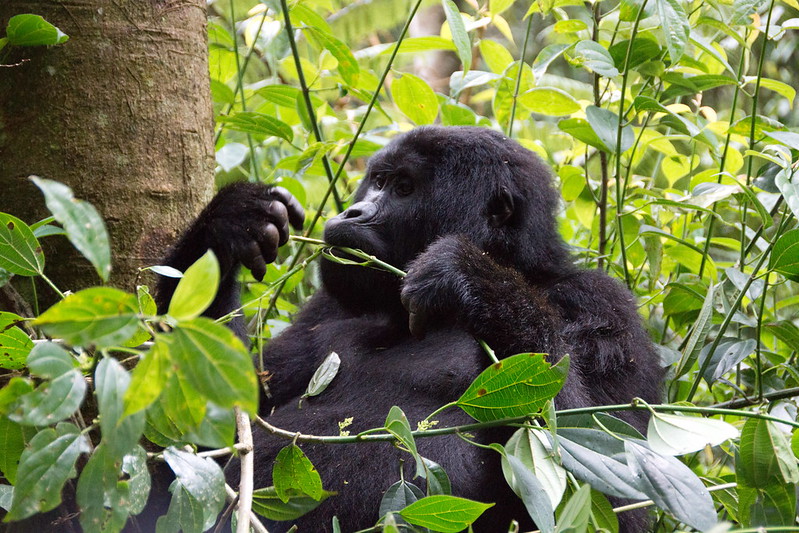
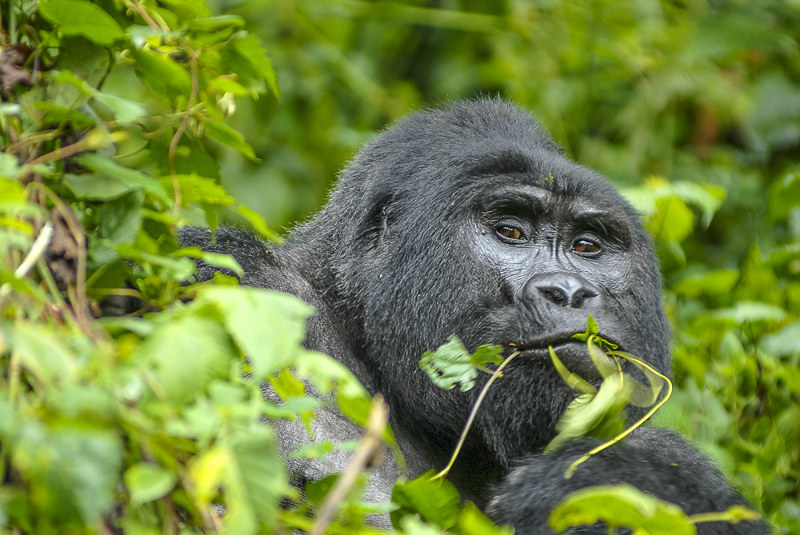
Once contact has been made, you spend a full hour with the gorillas maintaining a 7 meters distance watching them feeding as the young ones are playing and making close contact with you. The rangers and trackers will be informed what to do in regards to your safety enjoyably.
Each gorilla family is visited by strictly 8 members so I strongly advise you to book your gorilla trekking safari in advance.
Introduction To Bwindi Impenetrable Forest National Park
Guide to Bwindi Forest National Park
Bwindi Impenetrable National Park is located in Southwestern Uganda at an altitude of about 1,160m-2,607m above sea level. It covers an area of 321 square kilometers and it’s found along the borders of the Democratic Republic of Congo just on the edge of the Albertine Rift just next to Virunga National Park in Congo.
Bwindi Impenetrable forest, one of Uganda’s oldest Rainforests and also among the most diverse forests in East Africa is also part of the Park and it provides habitation for over 400 endangered mountain gorillas of which 14 gorilla families are habituated for Bwindi gorilla trekking in the various sectors of the park which are; Buhoma, Ruhijja, Rushaga, and Nkurigo under the management of the Uganda Wildlife Authority, however, Mubare gorilla group was the first group to be available for tourism in Uganda in April 1993. The forest is also a home for 120 species of mammals, including various primates like the colobus monkeys, chimpanzees, baboons, as well as antelopes and elephants, about 350 bird species for example the hornbills, turacos and many others, around 220 butterfly species, about 27 species of frogs, chameleons, geckos, and many other endangered species as well as about 23 Albertine Rift endemics. The forest itself has over163 species of trees, over 1000 flowering plant species and about 104 species of ferns.
Bwindi Impenetrable National Park was gazetted as a national park in the year 1991 and it was declared a UNESCO Natural World Heritage Site in the year 1994. Bwindi is also a source of five major rivers that flow into Lake Edward due to the fact that it’s located in an area with steep ridges and valley. In some regions of Bwindi such as Buhoma and Nkuringo, there are favourable luxury lodges, restaurants, budget campsites and rustic bandas. There are also craft stalls and guiding services. And through village walks and workshops, there are opportunities of discovering and seeing the performances of the local Bakiga and Batwa Pygmy cultures in this community.

What To See & Do In Bwindi Impenetrable National Park
Attractions In Bwindi Forest
Bwindi Impenetrable National Park which is located in South Western Uganda in the Western Arm of the Great Rift Valley, has various tourist attractions and it’s divided into four regions such as Buhoma region in the north of Bwindi, Rushaga in the south, Nkuringo in the south, and Ruhija in the east and the various attractions are all available in these sectors such as Hiking, Birding, Mountain Biking, cultural encounters, the Ancient Bwindi Impenetrable Forest as well as Gorilla Trekking which is currently available only in the South of Bwindi in Nkuringo and Rushaga regions.
The ancient Bwindi Impenetrable Rainforest
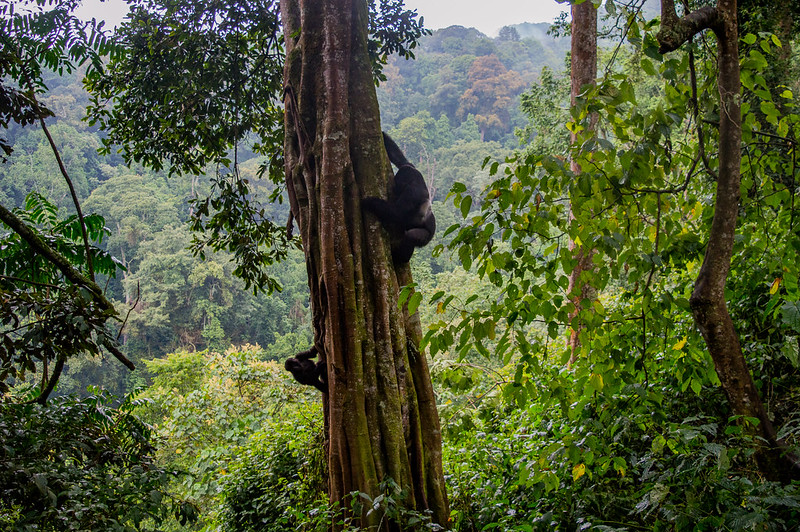
Bwindi Impenetrable Rainforest the few forests in Africa which still flourished even in the last ice age. It covers an area of about 331 square kilometers at an altitude of 1,160 meters-2,607 meters within the ishasha gorge, up the Rwamanyonyi Peak.
Its average temperatures range between 7-20 degrees C and the temperatures are normally cool in the months of June and July. Heavy rains are received in the months of March, April, September, and November, and it’s normally dry in the rest of the year, but however, there is no guarantee that it won’t rain since it’s a tropical rainforest.
The Ancient Rainforest is a habitat to more than 326 endangered mountain gorillas, in other words, approximately more than have of the total population of mountain gorillas in the whole world making Uganda the leading and as well main Gorilla Safari area.
The rainforest also provides Habitation for over 30 elephants, 120 species of mammals of which 7 are diurnal primates, about 360 bird species, 200 butterfly species, and it also has over 324 tree species of which 10 cannot be found in any other part of Uganda including 23 Albertine Rift Endemics hence making Bwindi forest favourable for trekking.
 Bwindi Forest
The Mountain Gorillas & Gorilla Tracking
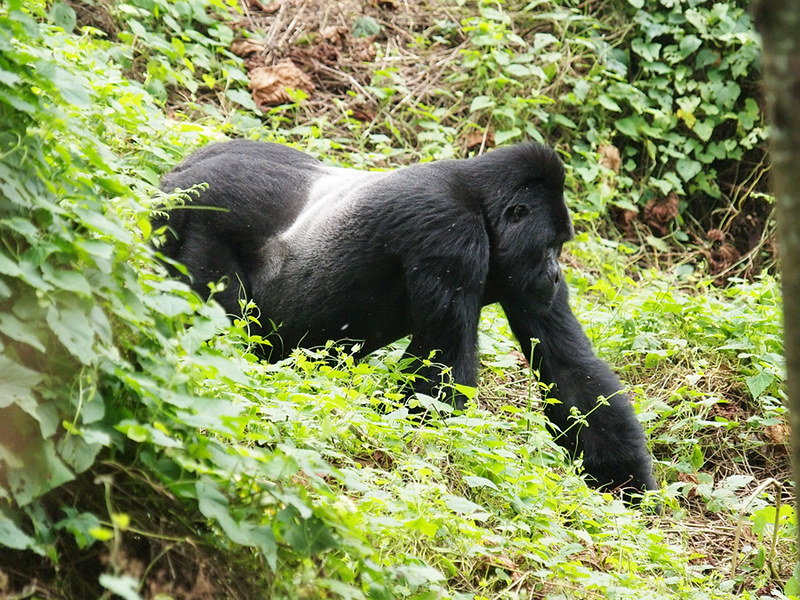
This is the most interesting activity in Bwindi Impenetrable National Park which has attracted many tourists hence promoting more gorilla visits in Uganda. Bwindi has about 14 habituated gorilla families but currently, gorilla trekking is mainly carried out in the southern part of Bwindi in the regions of Nkuringo and Rushaga.
Gorilla trekking In Bwindi costs only $600 therefore tourists who want to go for gorilla trekking are required to have their Gorilla trekking permit which can be acquired through contactig the Uganda Wildlife Authority head offices or through a tour or safari company. Through gorilla trekking, tourists are only allowed to spend one hour with the gorillas and only 8 trekkers are allowed per gorilla family. The age limit for one to go for a gorilla trek is limited at 15 years therefore clients below 15 years are not accepted for gorilla trekking. Therefore through your trek through the forest, you will be able to view the colorful beautiful birds, butterflies, the black and white colobus monkeys and many other plant and animal species. Gorilla Tracking in Bwindi Impenetrable Forest National Park: Bwindi Impenetrable National Park in Uganda is one of the best National Park where you can find the endangered mountain gorillas. Therefore in order to have a chance to encounter with these gorillas, as a tourist, you have to book your gorilla trekking permit in a period…
Birding
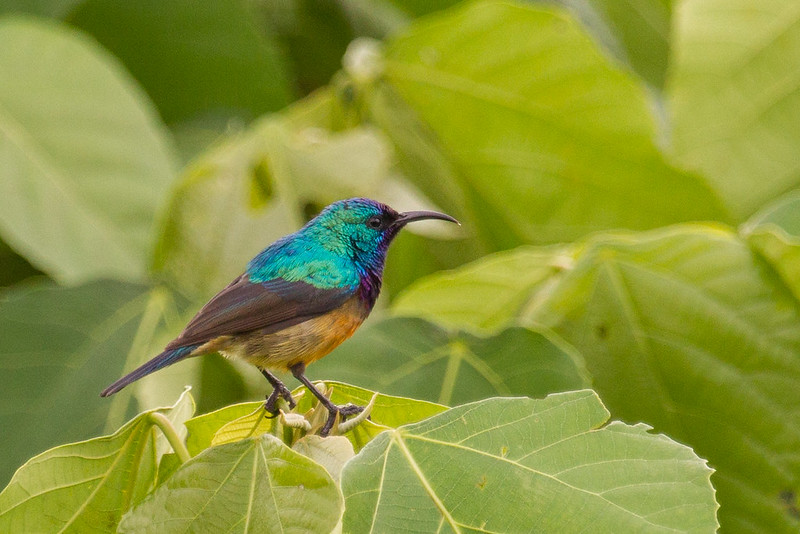
Bwindi impenetrable forest is a habitat to about 350 bird species for example the Blue-headed sun-bird, short-tailed warbler, Red headed Blue-Bil, White-tailed blue flycatchers, the attractive African Emerald cuckoo and many others. Therefore through hiking and trekking within the forest, you will be able to view these various bird species. The ancient rainforest of Bwindi Impenetrable National Park provides more habitats for other unique bird species including 23 Albertine rift endemics. The bird species include the Blue-headed sun-bird, short- tailed warbler, the shinning African Blue
Mountain Biking
Mountain biking at Bwindi Impenetrable National park is carried out in and around Bwindi impenetrable forest and it’s offered by a women organization called Ride 4 a woman organization.
Through biking, you will be able to climb the Buhoma mountain trail and while at the top, you will be able to view the wildlife as well as the beautiful scenery of the forest hence leaving you with a memorable experience at Bwindi Impenetrable National Park.

Hiking & Nature Walks
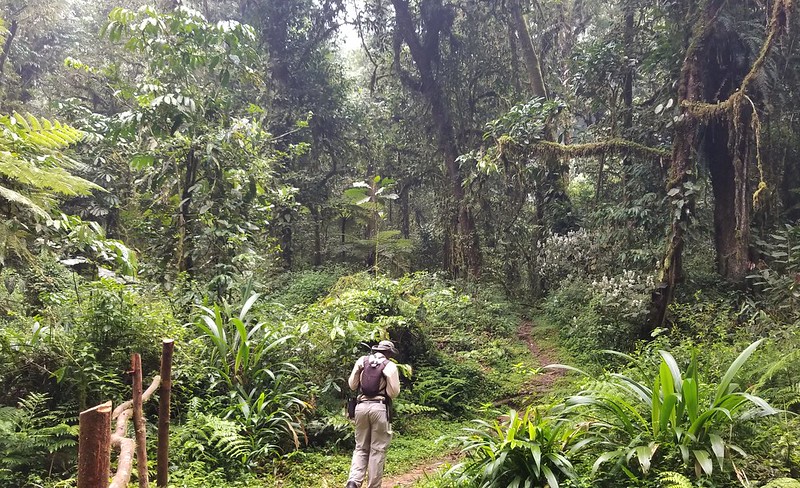
Hiking through the Bwindi Impenetrable forest is very interesting and as you enjoy the nature walk, you will be accompanied by fantastic views of various beautiful bird species singing in the air, butterflies, the beautiful sceneries of the ever green vegetation and waterfalls within the forest. You will also be able to see the chimpanzees, black and white colobus monkeys as well as other primates. Buhoma region of Bwindi has six main hiking trails and these include; muyanga waterfall trail, Rushura hill walk, Muzubijiro loop trail, Buhoma-Nkuringo trail, the ivi river walk, and the Habinyanja trail. Nature Walks/ Hiking In Bwindi: Nature walks in Bwindi national park, Hiking trails in Bwindi & Bwindi Village walks Nature Walks and hiking Bwindi. Bwindi Impenetrable National Park has six main hiking trails in the Buhoma region of Bwindi and as you hike through the impenetrable forest, you will get chances of seeing various primate species, beautiful butterflies, various trees.
Community Encounters
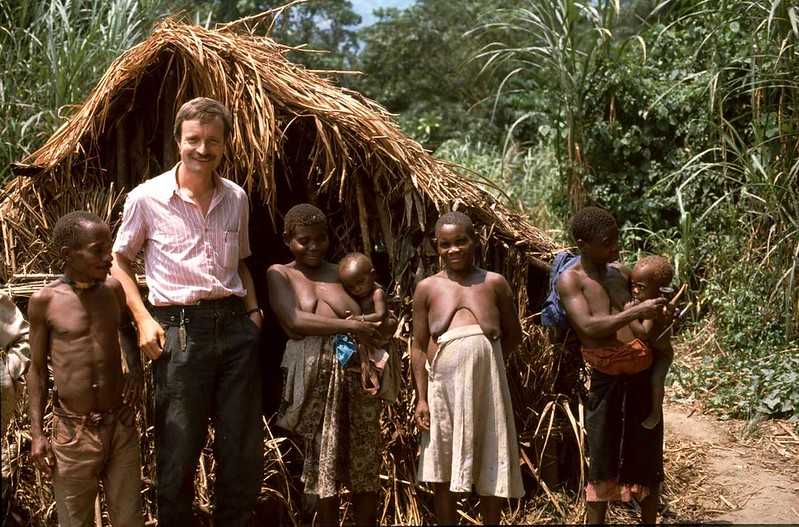
While at Bwindi Impenetrable National Park, you will be able to encounter with the amazing cultural activities performed in the local communities of the Batwa and Bakiga local people. You will encounter with activities like the amazing cultural dances and singing which portray their past life in the forest, craft activities, farming skills as well as meeting with the blacksmiths and traditional healer who treats the sick using local herbal medicine from plants.
Buhoma Community Tours Cultural tours Bwindi: While at Bwindi Impenetrable National Park, you will also enjoy cultural tours at Buhoma. You will have a three hour village walk around the village from which you will encounter with various cultural activities of the Local Bakiga and Batwa communities.
 Cultural Encounters
The 4 sectors of Bwindi (trailheads)
4 Sectors Of Bwindi Forest
Bwindi forest national park has got 20 habituated gorilla families found within the park’s four precious trailheads that are nkuringo, ruhija, buhoma, and rushaga.
Each trailhead has its geographical topography making them differ in the level of difficulty during the trekking process. At every trailhead is a headquarter that serves as a launching point for the trekking that takes approximately 6 hours starting early in the morning.
NKURINGO
This sector is located in the remote southern part of Bwindi diametrically opposite to buhoma at an altitude of 2,100metres and it was opened up in the year 2004.
This trailhead is sitting on the nteko ridge above the kashasha river valley. This is the most difficult sector among the four but with a comforting beautiful view of the Virunga volcanic range and close access to the Batwa, several lakes, and local farming communities.
RUHIJA
Ruhija sector is just 45 kilometers away from buhoma. This one of the two sectors that cover the northern part of Bwindi forest national park is a hard one and most favourable to trekkers with passion to trek and find the most deep inside the forest. This gorilla group by now is holding 3 gorilla groups available for trekking and habituations. This is one of the lodges with outstanding range of luxury accommodations and the best feel luxury budget lodges for budget customers hence to provide a local feeling always.
BUHOMA
This is home to the park’s headquarters and this trailhead was opened in 1993 and is accessed from the north part of the bwindi forest. It contains a series of activities which include: Batwa visits, bike riding, and local crafts making which enhance your feel of the wild in a more local way. On addition, you will see and trek the most commonly known gorilla group called the Rushegura Family which is known to be an easy encounter since it normally visit the compound of gorilla Forest Camp making it, the travellers best.
 Buhoma Sector
Another thing to do in addition to gorilla trekking
Gorilla Habituation
Other than gorilla trekking and habituation, Bwindi forest national park has got several satisfying activities that range from several primates, birds, hikes, and many more. Bird at Bwindi is mostly done through the buhoma waterfall trail, bamboo zones, and the mubwindi swamp trail in ruhija. Some of the bird species found at Bwindi include the common bulbul, kiev gerund thrush, crowned hornbill, the African green pigeon, and many others. Bwindi forest is gifted with 400 tree species and these include the xymalos, the monospora, the myrianthus holstii, the neoboutonia macrocalyx, the teclea nobilis, the Allophylus abyssinicus, and many more.
In addition to gorillas, one can go in for hiking which ranges from moderate to quite challenging trails. hiking at Bwindi takes 3-6 hours and some can cover up all day and others 2 days. some of the popular hiking trails in Bwindi forest national park include the kashasha river trail, the mubwindi swamp trail, the bamboo trail, the muzabajiro loop trail, the ivy river trail, the railegh trail, the rushura hill trail, the munyanga waterfall trail, and the rusizi river trail.
Cultures and people of Bwindi
Bwindi forest national park is home to the Batwa people who have interesting cultures, art pieces, and cultural performances ranging from songs to dances.
The Batwa people are known as the keepers of the forest. Thes pygmies are a hunter-gatherer tribe living within the forest of Bwindi. Meeting them starts with an adventurous 3hours hike reaching the homes of the Batwa who will brain feed you with the different medicinal flora species.
After welcoming you, the Batwa will take you through their fascinating culture, hunting skills, religious life, and much more staff as you get a chance to interact with the tribesmen.
The Batwa excursion gives you a hint on how the ancient tribes survived.
When To Visit Bwindi Forest
When to visit Bwindi
Bwindi forest national park is free and welcoming throughout the year though the weather here is unpredictable even though the park lies within the equatorial position having the heaviest rainy seasons stretch from mid march toward the end of May and during the end of September down to November.
Trekking is fine throughout the year though more difficult during the rainy season as you will have to fight with the slippery and muddy trails.
The most favorable time to visit Bwindi is during the dry season which is June to mid-September and December, January, and February.
Getting To Bwindi Forest National Park
How to get to Bwindi– Getting to Bwindi by Road, Getting to Bwindi by air, Distance from Kampala to Bwindi Impenetrable forest national park, Distance from Bwindi to Kigali
By Road
Bwindi Impenetrable National Park is located in South-western Uganda which takes approximately 7hrs and 35mins at a distance of 463.7kilometers to get there via Masaka Road from Kampala. Therefore road transport is the easiest to use in order to get to Bwindi. However, there are various routes that can be used to reach Bwindi Impenetrable National Park through road transport. Bwindi National park can be accessed right from Queen Elizabeth National Park to the north which is a two-three hour drive, from Kabale town to the south which takes only about one-two hours, or it can be from Kampala through Mbarara for about six-eight hours.
These roads meet at Butogota which is a distance of only 17 kilometers from Buhoma entrance gate. And if it’s a rainy season, visitors are required to use a 4 wheeled vehicle for matters of safety. And if you are to use a Bus, a daily bus service leaves Kampala for Butogota via Rukungiri and Kihiihi. At Butogota, you will have to use a public minibus, or boda-boda or hire a private vehicle to take you to the park entrance gate at Buhoma. However, we do advise clients to book for the safari through a Tour company or Safari company.
By Air
As a tourist, you can choose to fly right from Entebbe or from Kampala at Kajjansi airfield from where you will be taken to the modern tarmac airstrip located at Kisoro. The planes may also be chartered to the Savannah or the grass Kayonza airstrips.
Bwindi actually has three airfields and these are found at Kihiihi and Kyonza in the northern area as well as Nyakabande located in Kisoro at Nkuringo for clients going for mountain gorilla trekking in the south of Bwindi.