
Introduction to Gishwati-Mukura National Park
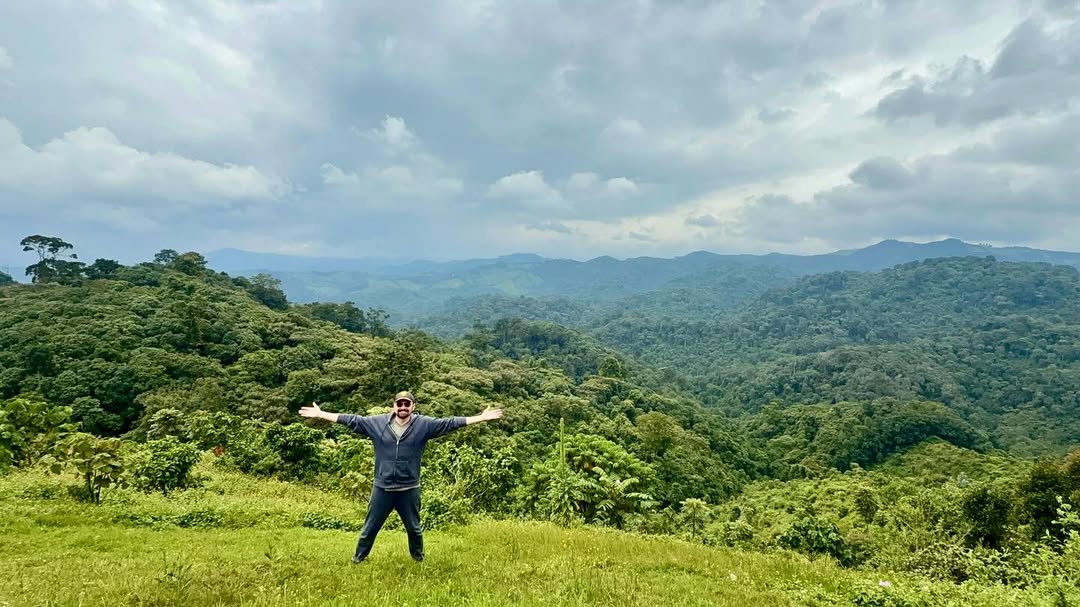
Gishwati-Mukura National Park is Rwanda’s newest and least explored national park, officially gazetted in 2015. Located along the Congo-Nile Divide, the park protects two separate rainforests, Gishwati and Mukura which together cover about 34 square kilometers. This hidden gem is a biodiversity hotspot, offering visitors an authentic, off-the-beaten path experience while supporting Rwanda’s conservation and community tourism initiatives.
Wildlife in Gishwati-Mukura
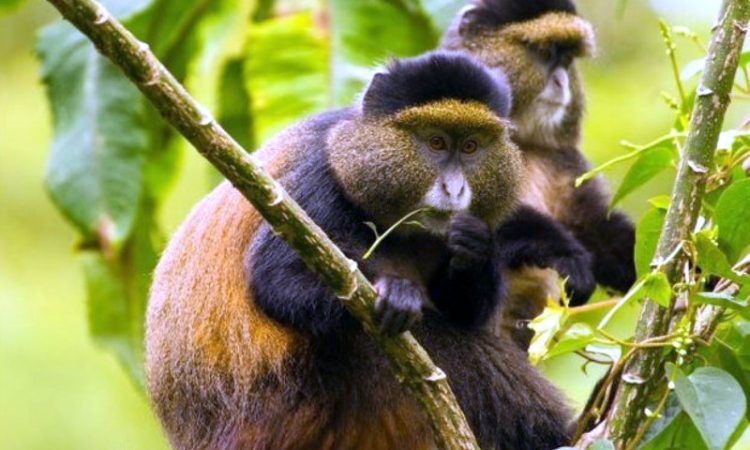
Though smaller than Rwanda’s other parks, Gishwati-Mukura is rich in primates and birdlife. Visitors can encounter chimpanzees, golden monkeys, L’Hoest’s monkeys, and blue monkeys moving through the treetops. The park is also home to over 230 bird species, including Albertine Rift endemics such as the Regal sunbird and the Ruwenzori turaco, making it a great spot for birdwatching enthusiasts.
Activities in Gishwati-Mukura National Park
Visitors to Gishwati-Mukura National Park can enjoy a range of activities that highlight both its natural beauty and cultural richness. The park’s main attraction is primate trekking, where travelers follow expert guides to observe chimpanzees, golden monkeys, and other primates in their forest habitat. Birdwatching is another rewarding experience, with over 230 recorded species, including several Albertine Rift endemics. For nature lovers, guided forest walks and hikes reveal scenic trails, waterfalls, and unique flora such as medicinal plants and hardwood trees. Beyond wildlife, the park offers community and cultural encounters, allowing visitors to engage with local people through music, dance, storytelling, and traditional crafts. These eco-friendly experiences not only provide authentic insights into Rwanda’s heritage but also directly support conservation and local livelihoods, making a visit to Gishwati-Mukura both memorable and impactful.
Why Visit Gishwati-Mukura?
Unlike the more famous Volcanoes and Nyungwe parks, Gishwati-Mukura offers a quiet, intimate experience where tourism directly supports conservation and local communities. It’s the perfect destination for travelers who want to combine primate trekking, birding, and cultural experiences in a less-crowded environment.
Best Time to Visit
The park is open year-round, but the dry seasons (June–September and December–February) offer the best hiking and trekking conditions. The wet seasons (March–May and October–November) are ideal for birdwatchers, as migratory birds join the resident species.
Getting There
Gishwati-Mukura lies between Lake Kivu and Nyungwe Forest National Park, making it easy to combine with other Rwanda safari destinations. It’s about a 2–3 hour drive from Kigali, accessible by road.
Conclusion
Gishwati-Mukura National Park may be Rwanda’s youngest national park, but it is a true treasure for eco-travelers seeking untouched beauty, rare wildlife, and meaningful community encounters. Whether you want to track chimpanzees, spot rare birds, or learn about Rwanda’s conservation efforts, this hidden gem promises an unforgettable safari experience.
Book your Gishwati-Mukura safari today and be among the first to explore Rwanda’s wild new frontier.