Uganda Gorilla Trekking Permits 2026: Cost, Booking & Availability
April 18, 2026
2 Days Bwindi Gorilla trek Via Rwanda
April 21, 2026
Is Gorilla Trekking Worth It? (Honest Experience Guide)
Gorilla trekking is often described as a once-in-a-lifetime experience, but is it truly worth the cost, effort, and anticipation? Deep in the mist-covered forests of Bwindi Impenetrable National Park and Volcanoes National Park, travelers set out on foot, guided by expert trackers, in search of one of the rarest wildlife encounters on Earth: the endangered Mountain Gorilla.
Unlike a typical safari where animals are viewed from a vehicle, gorilla trekking is raw, immersive, and physically demanding. You’ll hike through thick jungle, navigate steep and muddy terrain, and spend hours tracking signs like broken branches and fresh nests. But then comes the moment that changes everything, the first eye contact with a wild gorilla. It’s quiet, powerful, and deeply human. For many, that single hour spent observing a gorilla family in their natural habitat becomes one of the most profound wildlife experiences in the world.
Still, it’s not for everyone. Gorilla permits can cost hundreds to over a thousand dollars and the trek itself can be unpredictable in duration and difficulty. Weather conditions, terrain, and gorilla movement all play a role in how your day unfolds. So the real question isn’t just “Is it worth it?”—but “Is it worth it for you?”
In this honest guide, we break down the full experience, the highs, the challenges, the costs and the emotional impact, so you can decide if gorilla trekking truly lives up to the hype.
What Is Gorilla Trekking?
Gorilla trekking is a guided wildlife experience where visitors hike through dense tropical forests to locate and observe habituated families of endangered mountain gorillas in their natural habitat. This activity takes place in protected areas such as Bwindi Impenetrable National Park, Mgahinga Gorilla National Park, and Volcanoes National Park, where trained rangers lead small groups through challenging terrain that can take a few hours depending on the gorillas’ location. Once found, visitors are allowed to spend up to one hour watching the gorillas as they feed, play, and interact, offering a rare, intimate glimpse into the lives of one of the world’s closest relatives while supporting conservation efforts through permit fees.
The Honest Cost Breakdown
Gorilla trekking is undeniably a premium experience, with the largest expense being the permit itself—approximately $700 in Uganda, $1,500 in Rwanda, and around $400 in Democratic Republic of the Congo (subject to stability). Beyond the permit, travelers must factor in accommodation (ranging from budget lodges to luxury eco-resorts), transportation to remote parks, professional guides, porter fees, tips, and essential gear. When combined, the total cost typically ranges from about $1,200 for budget-conscious travelers to over $5,000 for high-end safari experiences. While this may seem expensive, a significant portion of the fee goes directly toward conservation efforts and local community support, making it not just a travel expense but a meaningful contribution to protecting endangered mountain gorillas and their habitat.
What the Experience Is Really Like
1. The Trek: Not a Walk in the Park
The trek itself is where the real adventure begins and it’s far more demanding than most people expect. After an early morning briefing, you set off with experienced rangers into the dense forest of Bwindi Impenetrable National Park or Mgahinga Gorilla National Park, following fresh gorilla tracks through thick vegetation, muddy slopes, and uneven terrain. The hike can last anywhere from one to six hours (or more), depending on where the gorillas are that day, and conditions can be slippery, steep, and humid. You’ll push through vines, climb hills, and sometimes even crawl under branches, all while guided by trackers who communicate with teams ahead. It’s physically challenging, no doubt—but that effort is part of what makes the eventual encounter feel so rewarding and earned.
2. The First Encounter: Unreal
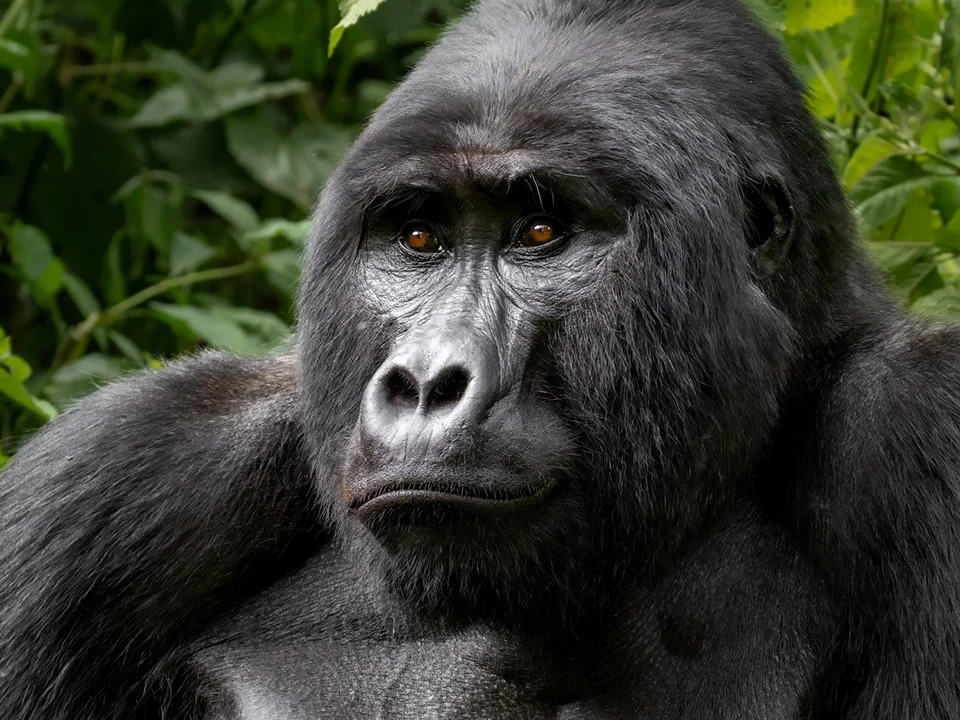
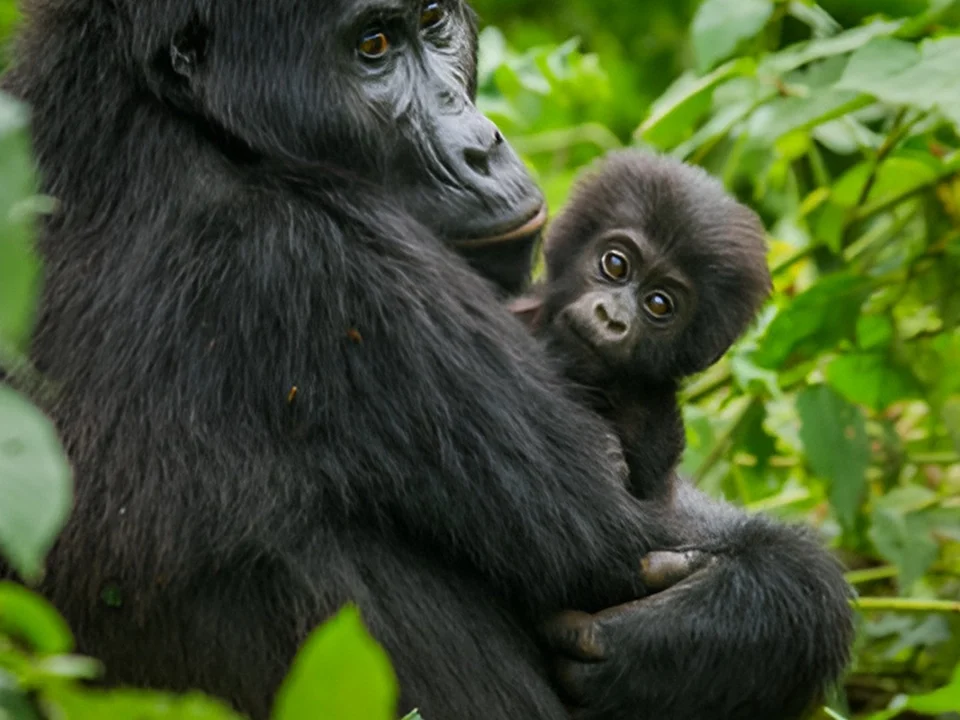
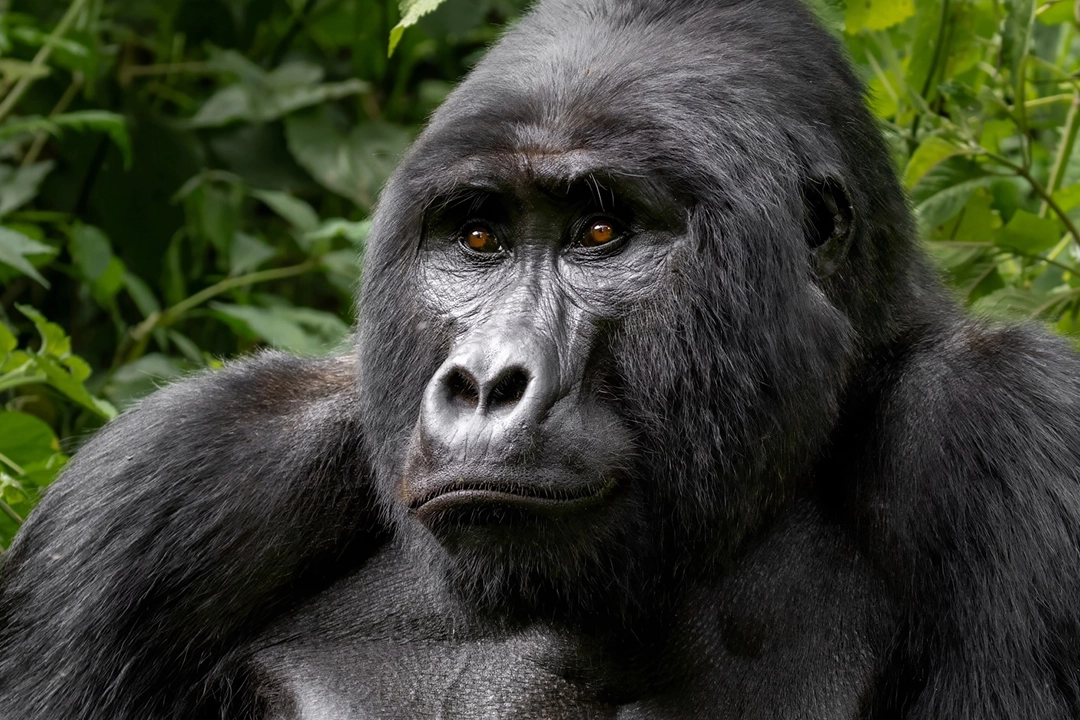
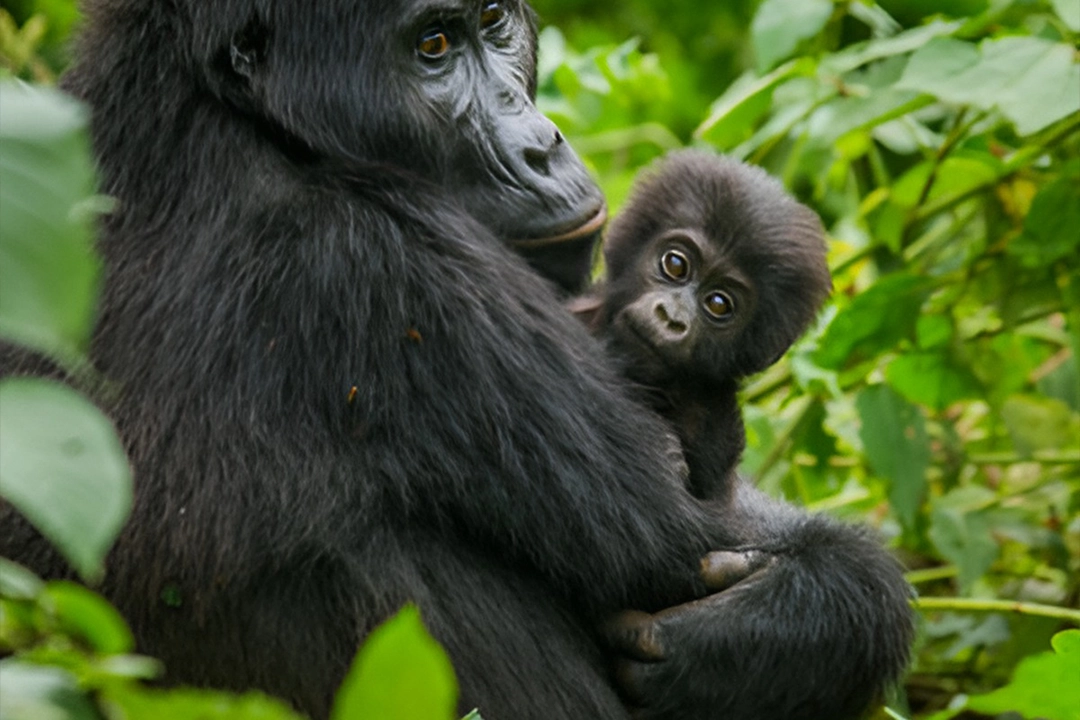
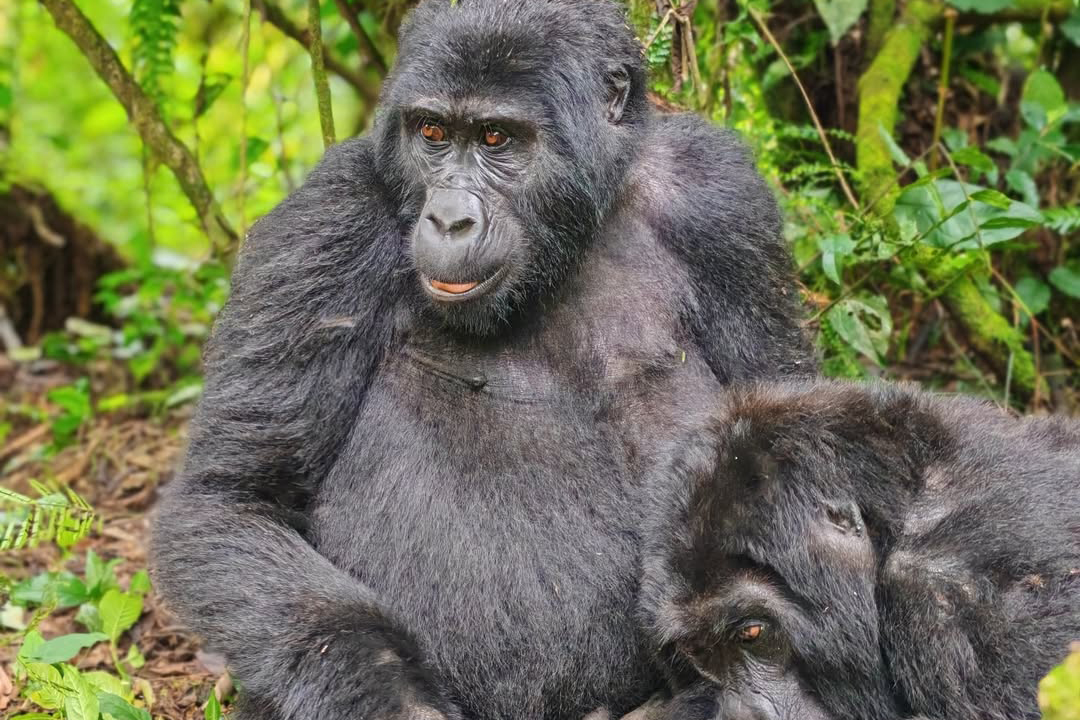
The first encounter with mountain gorillas is something that instantly quiets everything around you. After hours of trekking through thick forest, your guide signals for silence—and suddenly, they’re there. A massive silverback sits calmly just a few meters away, his presence powerful yet surprisingly peaceful. Around him, the family moves naturally—juveniles tumbling and playing, mothers gently nursing their babies—completely unbothered by your presence. There are no barriers, no distance, just a raw, shared moment in the wild. You become hyper-aware of every movement, every sound, every breath. It’s not just exciting—it’s deeply emotional, almost surreal, as you realize you’re standing face-to-face with one of humanity’s closest relatives in its natural home.
3. The One-Hour Rule
Once you finally locate the gorilla family after hours of trekking, everything slows down in a way that feels almost unreal. You’re quietly guided into position by rangers, keeping a respectful distance, and then you’re told something that surprises many first-time visitors—you only have one hour with the gorillas. At first, this feels too short, especially after such a demanding hike, but that hour quickly becomes one of the most intense and meaningful moments of the entire journey. You’re completely present, watching them interact naturally: mothers gently caring for their babies, juveniles playfully tumbling through vines, and the dominant silverback observing the group with calm authority. There’s no rush, no distractions, just raw connection in the heart of the forest. Ironically, the limitation of time makes the experience even more powerful, because every second feels valuable, and most travelers leave wishing they could somehow freeze that hour forever.
Pros: Why Gorilla Trekking Is Worth It
1. A Rare Wildlife Encounter
Gorilla trekking offers one of the rarest wildlife experiences on Earth, as mountain gorillas are critically endangered and found in only a few protected forests in East Africa. Standing just a few meters away from a fully habituated gorilla family in their natural habitat is an encounter very few people will ever have in their lifetime. The sense of exclusivity and authenticity makes it far more meaningful than typical safari sightings, where animals are often seen from a distance.
2. Emotional & Transformative Experience
Meeting mountain gorillas in the wild is not just a visual experience—it’s deeply emotional. Watching a silverback calmly observe you, seeing mothers care for their infants, and witnessing playful juveniles creates a powerful connection between humans and nature. Many travelers describe the experience as life-changing because it shifts how they perceive wildlife, conservation, and even themselves, leaving a lasting emotional impact long after the trek ends.
3. Direct Conservation Impact
Every gorilla trekking permit contributes directly to the protection of mountain gorillas and their fragile ecosystems. The funds help support anti-poaching patrols, veterinary care, habitat conservation, and local community development around protected areas. By participating in gorilla trekking, visitors are not just tourists—they become active contributors to one of the world’s most successful conservation stories, where gorilla populations have steadily increased due to tourism revenue.
4. Intimate, Low-Crowd Experience
Unlike many popular wildlife destinations that can feel crowded, gorilla trekking is strictly controlled and highly regulated, with only a small group of visitors allowed per gorilla family each day. This ensures a quiet, respectful, and immersive experience in the forest without disruption. The limited numbers make the encounter feel personal and unspoiled, allowing travelers to fully absorb the moment without distraction or noise.
5. Adventure in Stunning Natural Landscapes
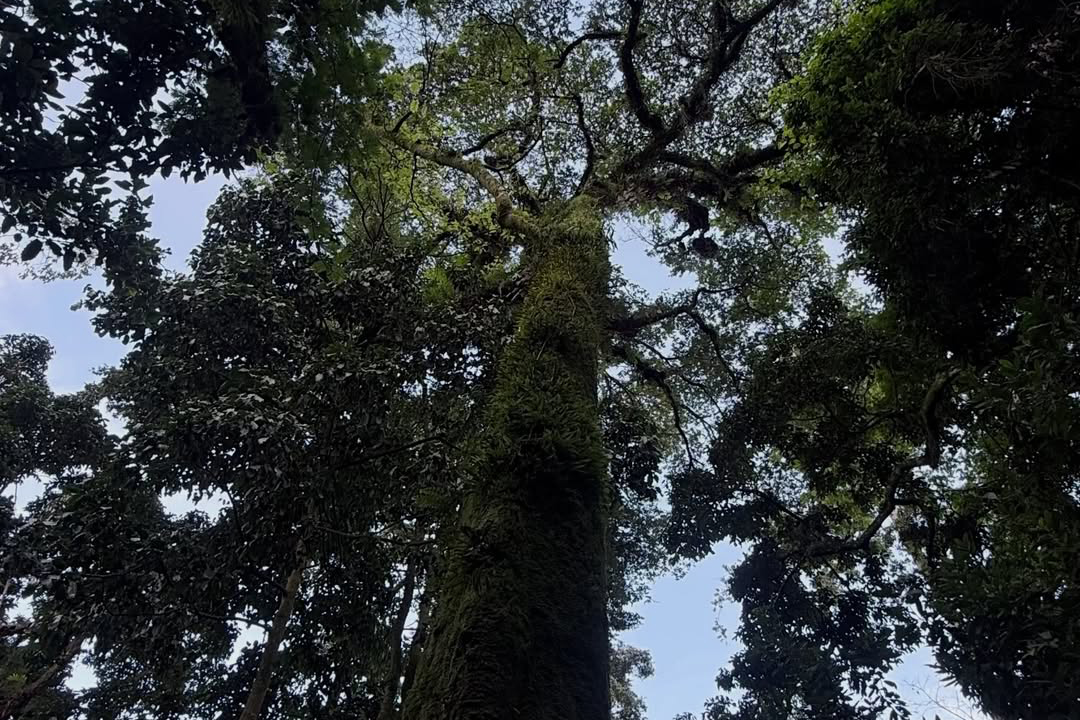
Gorilla trekking takes place in some of the most breathtaking rainforests in Africa, including misty mountains, dense jungle trails, and rich biodiversity. The journey itself is an adventure, often involving steep hikes, lush vegetation, and scenic views that make the effort worthwhile even before reaching the gorillas. For nature lovers, the combination of physical challenge and pristine environment adds depth and excitement to the entire experience. Is Gorilla Trekking Worth it?
Cons: The Real Downsides
1. It’s Expensive
Gorilla trekking is one of the most costly wildlife experiences in Africa, and the permit alone can take up a large portion of your travel budget. Beyond the permit fees, travelers must also account for accommodation near the parks, transportation (often 4×4 vehicles due to rough terrain), guide services, porter tips, meals, and sometimes domestic flights depending on the itinerary. For budget travelers, this can feel overwhelming, especially when compared to other safari activities that cost significantly less. While the price supports conservation, it still remains a major barrier for many people.
2. Physically Challenging
The trekking experience is not a casual nature walk—it can be physically demanding, especially for those unaccustomed to hiking in uneven or steep terrain. Trails often cut through thick jungle, slippery mud, and dense vegetation, requiring stamina, balance, and endurance. Some groups may find the gorillas after just an hour of hiking, while others may trek for 5–7 hours before reaching them. The altitude in certain parks can also make breathing more difficult. Although porters and guides provide support, travelers should still be prepared for a real physical challenge.
3. Weather Uncertainty
Rainforest conditions are unpredictable, and sudden rainfall is very common throughout the year. Even during the “dry seasons,” you can still encounter heavy showers that turn trails into muddy, slippery paths. This can slow down the trek, make movement more difficult, and sometimes reduce visibility for photography. Wet gear, soaked clothing, and challenging walking conditions are all part of the experience. For travelers who prefer comfort and stability, the weather factor can be a real drawback.
4. Not Guaranteed Sightings
Although success rates are very high—often above 95%—gorilla trekking still involves wild animals moving freely in dense forest. There is always a small chance that a group may take longer to locate, or in rare cases, not be found within the allocated time. Rangers track gorilla families daily, which greatly improves the odds, but nature remains unpredictable. This uncertainty can be stressful for travelers who expect guaranteed sightings after paying a high permit fee, even though most do eventually encounter the gorillas.
Who Should (and Shouldn’t) Do It?
Who Should Do It?
Gorilla trekking is ideal for travelers who value rare, meaningful wildlife encounters and are willing to step slightly outside their comfort zone. It suits adventure seekers, nature lovers, photographers, and conservation-minded visitors who want to experience something truly unique in the wild. If you enjoy hiking, don’t mind muddy or uneven terrain, and are excited by the idea of spending time in a dense rainforest, you’ll likely find the experience deeply rewarding. It’s also perfect for safari travelers looking to add a once-in-a-lifetime highlight to their East African journey.
Who Shouldn’t Do It?
Gorilla trekking may not be suitable for people who have limited mobility, very low fitness levels, or a strong dislike for hiking in challenging outdoor conditions. The terrain can be steep, slippery, and physically demanding, so comfort-focused travelers expecting an easy or relaxed activity may find it overwhelming. It’s also not ideal for those on a very tight budget, since permit and travel costs are high. Additionally, if someone expects guaranteed luxury comfort or prefers highly predictable sightseeing experiences, this adventure might feel too rugged and unpredictable.
Uganda vs Rwanda: Which Is Better?
Uganda – The More Affordable and Wild Experience
Uganda offers a more budget-friendly gorilla trekking experience, with permits costing significantly less than Rwanda. The main trekking destinations are Bwindi Impenetrable National Park and Mgahinga Gorilla National Park, both known for their dense, untouched rainforest and strong sense of adventure. Treks in Uganda tend to be longer and more physically demanding due to the rugged terrain, but this also makes the experience feel more raw and immersive. Uganda is ideal for travelers who want a deeper jungle adventure, longer safaris, and a more authentic “off-the-beaten-path” feel without spending as much.
Rwanda – The Easier and More Luxurious Option
Rwanda is best known for its well-organized and premium gorilla trekking experience in Volcanoes National Park. The country offers easier access, shorter driving distances from the capital Kigali, and generally shorter trekking times compared to Uganda. However, permits are significantly more expensive, making Rwanda more popular among luxury travelers and those with limited time. The experience is still incredibly rewarding, with excellent infrastructure, highly trained guides, and a smoother overall journey. Rwanda is ideal if you prefer convenience, comfort, and a more streamlined safari experience. Is Gorilla Trekking Worth it?
Tips to Maximize Your Experience
To maximize your gorilla trekking experience, preparation is everything. Start by booking your permit early and choosing accommodation close to your assigned trekking sector to reduce early morning travel stress. Wear sturdy hiking boots, long trousers, and long-sleeved clothing to protect against stinging plants and insects, and carry a lightweight rain jacket since weather in the forest can change quickly. Hiring a porter is highly recommended—not only does it support local communities, but it also makes the hike significantly easier by carrying your backpack and helping you navigate steep or muddy sections. Bring at least 2 liters of water, energy snacks, and a camera with a good zoom lens, while keeping noise to a minimum once you find the gorillas. Most importantly, follow your guide’s instructions at all times and remain calm and respectful during the encounter; the more present and patient you are, the more rewarding and unforgettable the experience becomes.
The Verdict: Is Gorilla Trekking Worth It?
Gorilla trekking is absolutely worth it for travelers seeking a rare, meaningful and emotionally powerful wildlife experience. Despite the high cost and the physical effort required to hike through dense, sometimes challenging rainforest terrain, the reward is unmatched, standing just a few meters away from endangered mountain gorillas in their natural habitat is something very few people on earth ever get to experience. The encounter is intimate, silent and deeply moving, often leaving visitors with a lasting sense of awe and connection to nature. While it may not be ideal for budget travelers or those who prefer relaxed, low-effort activities, for wildlife lovers and adventure seekers, gorilla trekking delivers far more than just a sightseeing moment, it becomes a life-defining memory that justifies every step, every drop of sweat and every dollar spent.
Final Thought
Is Gorilla Trekking Worth it, If you’re on the fence, ask yourself this:
How often do you get the chance to sit face-to-face with one of humanity’s closest relatives in the wild?
Not often.
And that’s exactly why it’s worth it.
Ready to plan your trip? Qash Safaris will help you choose the best time, secure permits and create a seamless safari experience.