Health and Safety Tips for Uganda and Rwanda Safaris
September 22, 2025
Top Safari and Adventure Highlights in Uganda
September 22, 2025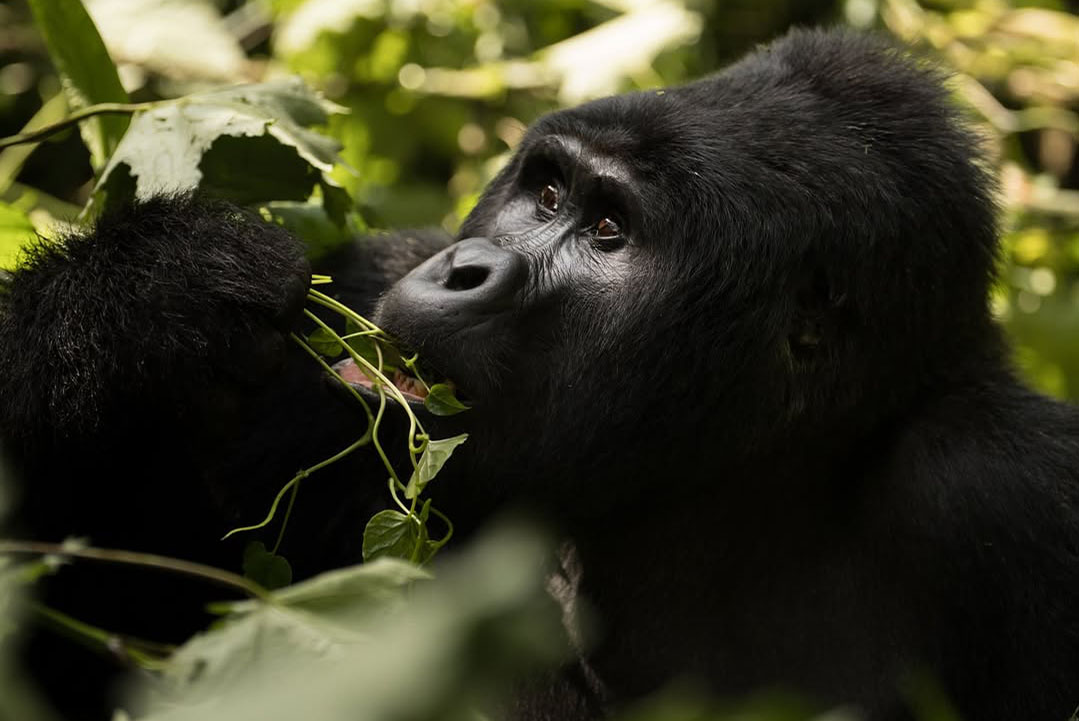
How to Combine Uganda and Rwanda in One Safari
Uganda Rwanda combined safari creates one of the most diverse and rewarding wildlife journeys in East Africa. These neighboring countries share ecosystems, mountain gorilla populations, and cultural heritage, yet each offers distinct landscapes and safari styles. From gorilla trekking in misty rainforests to classic savannah game drives and meaningful cultural encounters, a cross-border Uganda–Rwanda safari delivers exceptional variety in a relatively compact region.
With short driving distances, smooth border crossings, and the convenient East Africa Tourist Visa, planning a combined safari is easier than many travelers expect.
Why Combine Uganda and Rwanda?
Uganda and Rwanda complement each other beautifully. Uganda is often called the “Pearl of Africa” for its remarkable biodiversity, including savannah parks, waterfalls, chimpanzee forests, and mountain gorillas. Rwanda, known as the “Land of a Thousand Hills,” offers scenic volcanic landscapes, luxury lodges, and highly organized primate trekking experiences.
By combining both countries in one itinerary, travelers benefit from:
Gorilla trekking in different forest ecosystems
Access to more habituated gorilla families
Big Five safaris in Uganda and Rwanda
Flexible arrival and departure airports
A richer cultural experience across borders
This combination creates a safari that blends adventure, comfort, wildlife, and history.
Gorilla Trekking in Two Countries
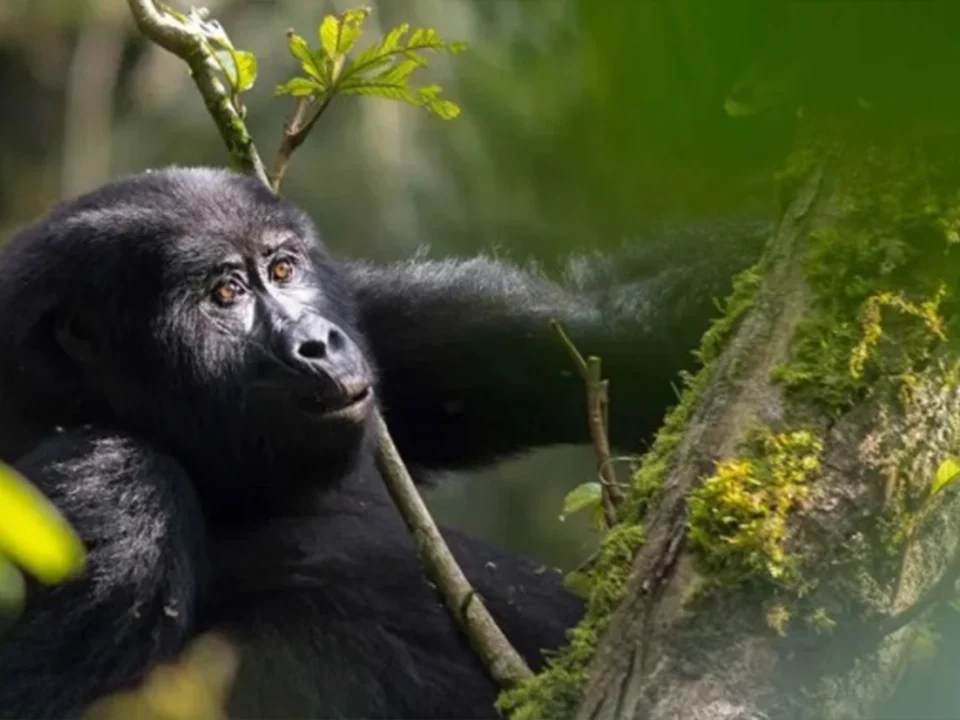
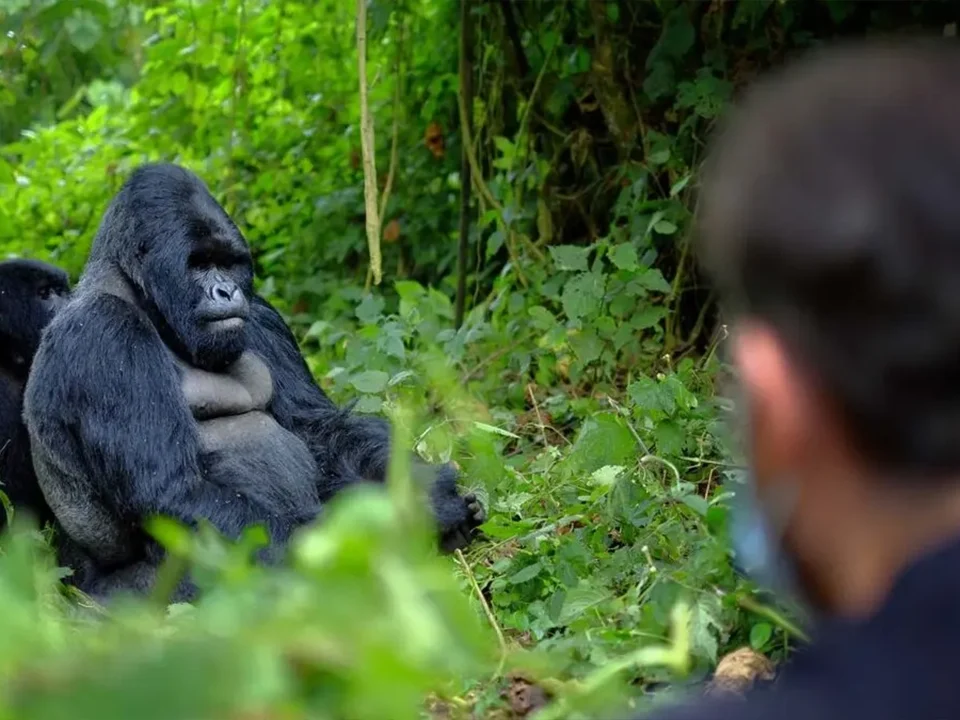
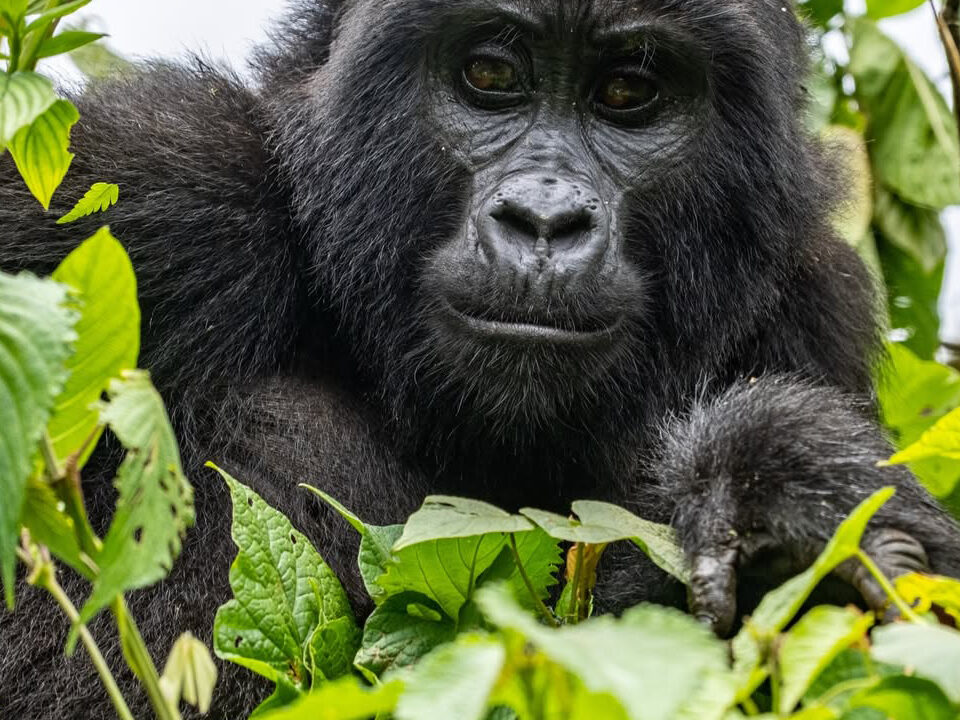
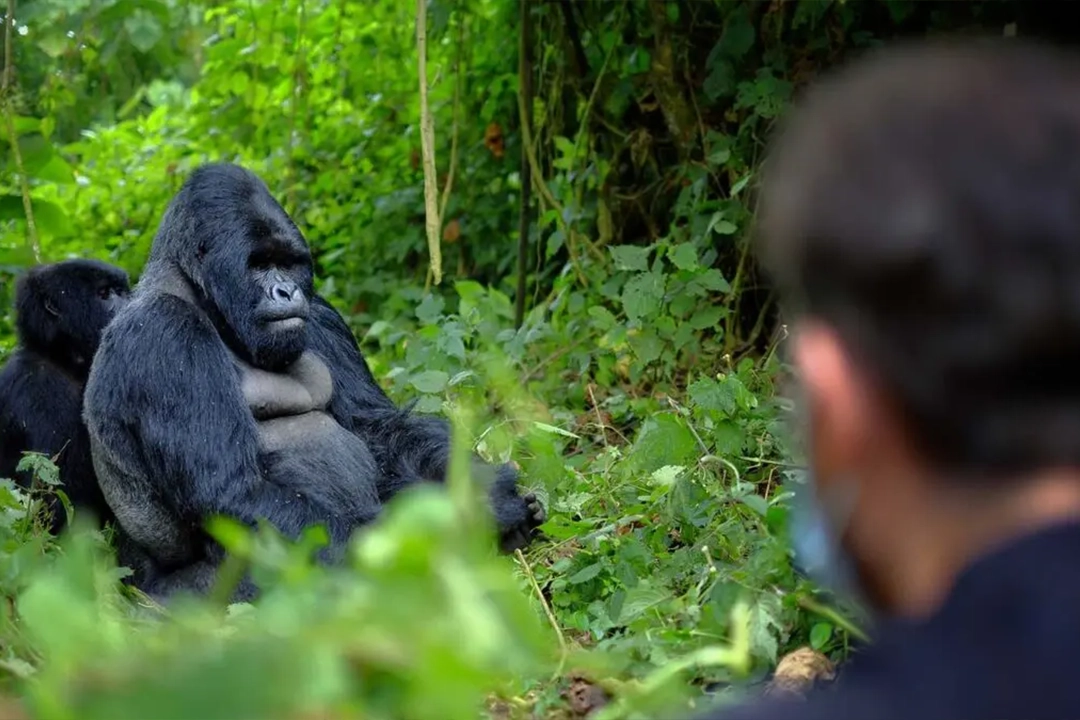
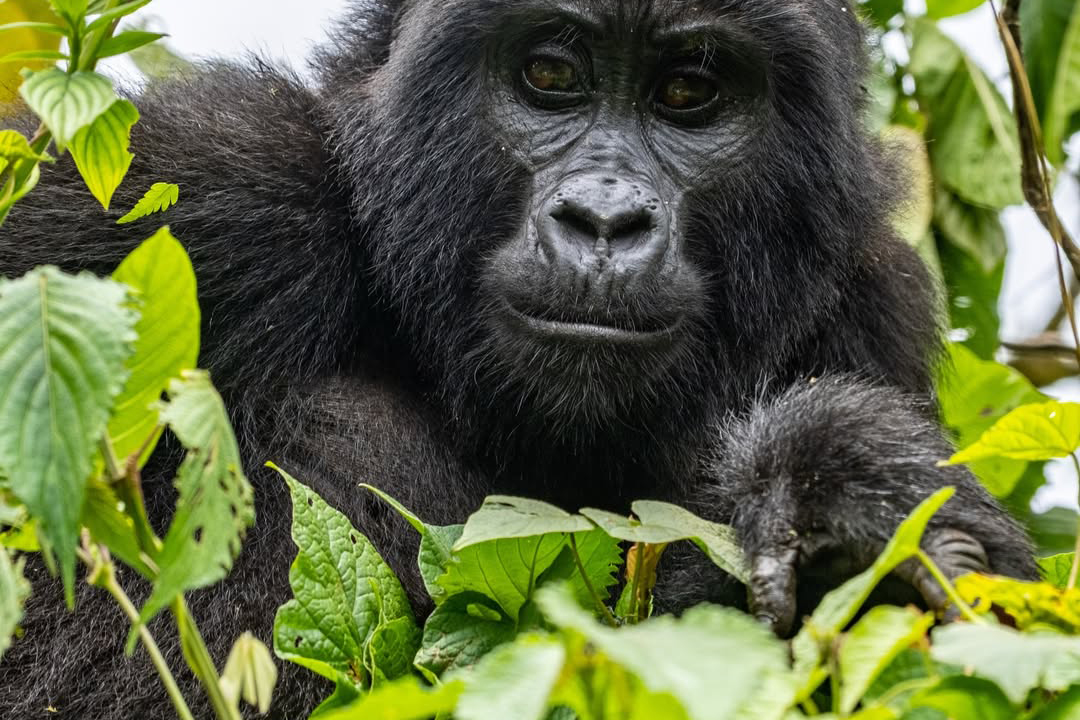
Gorilla trekking in two countries—Uganda and Rwanda—offers a unique opportunity to experience mountain gorillas in different landscapes and conservation settings within the same safari. In Uganda’s Bwindi Impenetrable National Park, trekkers navigate dense, ancient rainforest with steep ridges and rich biodiversity, creating a truly immersive jungle adventure. In contrast, Rwanda’s Volcanoes National Park features bamboo forests and the dramatic backdrop of the Virunga Volcanoes, often providing more open terrain and striking scenery. Experiencing gorilla trekking in both countries allows travelers to appreciate variations in habitat, trekking style, and lodge experiences while deepening their understanding of gorilla conservation across the region.
Bwindi Impenetrable National Park (Uganda)
Bwindi is home to nearly half of the world’s remaining mountain gorillas. The forest is ancient, dense, and dramatically scenic. With four trekking sectors—Buhoma, Ruhija, Rushaga, and Nkuringo—Bwindi offers flexibility in permit availability and accommodation styles ranging from mid-range to luxury eco-lodges.
Uganda also offers the exclusive Gorilla Habituation Experience in the Rushaga sector, allowing guests to spend up to four hours with a semi-habituated gorilla family.
Volcanoes National Park (Rwanda)
Located just 2–3 hours from Kigali, Volcanoes National Park is famous for its bamboo forests and the Virunga Volcano chain. Trekking here is well organized and often paired with high-end lodge experiences. The terrain is more open in certain areas, which can sometimes offer clearer photography opportunities.
Why Trek in Both?
Trekking in both Uganda and Rwanda offers a richer and more diverse gorilla experience. Although the mountain gorillas belong to the same population, the trekking environments differ significantly. Bwindi Impenetrable National Park in Uganda features dense, ancient rainforest with dramatic hills and thick vegetation, creating a raw and immersive jungle adventure. In contrast, Rwanda’s Volcanoes National Park offers bamboo forests and open volcanic slopes that can provide different terrain and photographic angles. Experiencing both allows travelers to compare landscapes, trekking styles, and gorilla family dynamics while deepening their understanding of conservation efforts across the region. For passionate wildlife enthusiasts, trekking in both countries transforms a single encounter into a broader, more meaningful safari experience.
Adding Classic Savannah Safaris
While gorilla trekking is the highlight of a Uganda–Rwanda safari, adding classic savannah experiences provides a fuller picture of East Africa’s wildlife. Uganda’s Queen Elizabeth and Murchison Falls National Parks offer iconic game drives, boat safaris along rivers and channels, and opportunities to spot elephants, lions, leopards, hippos, and buffalo. In Rwanda, Akagera National Park showcases the Big Five in rolling savannah landscapes dotted with lakes and papyrus swamps. Including these savannah safaris complements primate-focused trekking, creating a balanced itinerary that combines lush rainforests with open plains teeming with wildlife.
Queen Elizabeth National Park (Uganda)
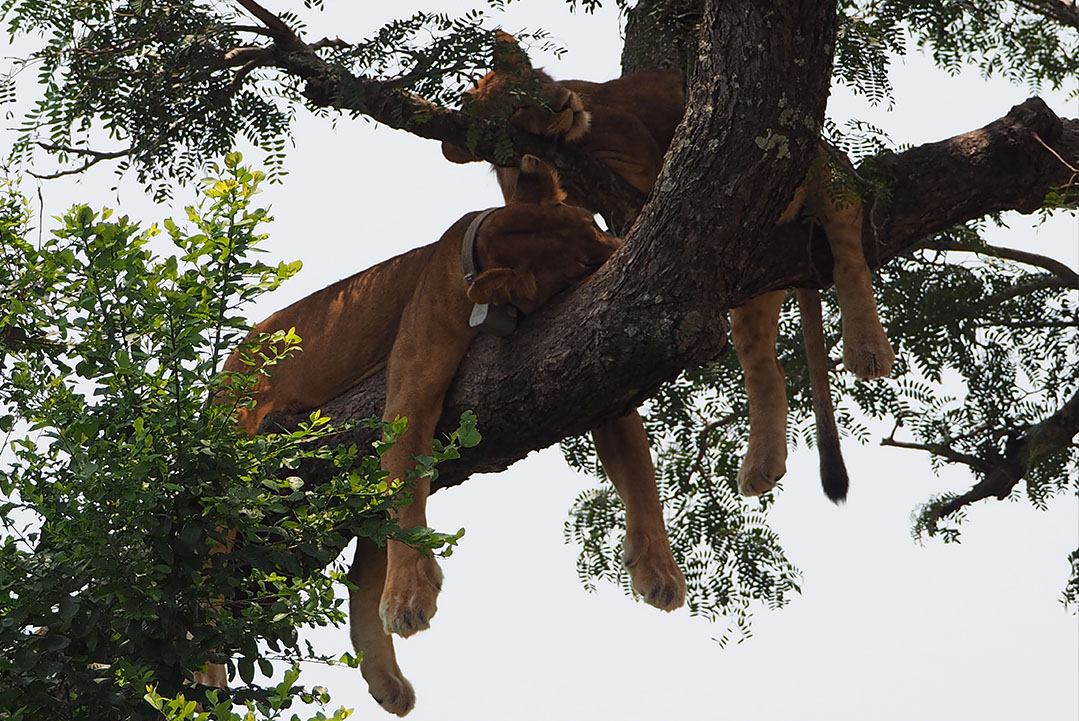
Queen Elizabeth National Park, located in southwestern Uganda, is one of the country’s most diverse and popular safari destinations. Covering over 1,900 square kilometers, the park features a mix of savannah, wetlands, crater lakes, and dense forest, creating ideal habitats for a wide variety of wildlife. Visitors can enjoy classic game drives to spot elephants, buffalo, hippos, and lions—including the famous tree-climbing lions of the Ishasha sector. The Kazinga Channel, which links Lake George and Lake Edward, offers one of Africa’s best boat safari experiences, allowing travelers to observe large concentrations of hippos, crocodiles, and waterbirds. Beyond wildlife, the park is also rich in local culture, providing opportunities to visit nearby communities and experience traditional Ugandan life, making it a perfect complement to gorilla trekking in Bwindi.
Murchison Falls National Park (Uganda)
Murchison Falls National Park, located in northwestern Uganda, is one of the country’s most spectacular safari destinations, renowned for its dramatic landscapes and abundant wildlife. The park stretches over 3,800 square kilometers, encompassing savannah plains, riverine forests, and the mighty Nile River as it plunges through a narrow gorge to form the iconic Murchison Falls. Visitors can enjoy thrilling game drives to spot elephants, lions, giraffes, hippos, and buffalo, as well as birdwatching for over 450 recorded species. Boat safaris along the Nile offer close encounters with hippos and crocodiles, and provide breathtaking views of the falls from the base. With its combination of rugged wilderness, powerful waterfalls, and rich biodiversity, Murchison Falls National Park offers an unforgettable safari experience for wildlife enthusiasts and adventure seekers alike.
Akagera National Park (Rwanda)
Akagera National Park, located in eastern Rwanda along the border with Tanzania, is a stunning blend of savannah, wetlands, lakes, and woodlands, making it one of the country’s most diverse wildlife destinations. The park is home to the Big Five—lions, elephants, leopards, buffalo, and rhinos—as well as giraffes, zebras, hippos, crocodiles, and a variety of antelope species. Visitors can enjoy classic game drives, boat safaris on Lake Ihema, and birdwatching, with over 500 bird species recorded, including African fish eagles and papyrus gonoleks. Akagera offers a uniquely scenic safari experience in Rwanda, combining thrilling wildlife encounters with tranquil landscapes of rolling hills, expansive wetlands, and shimmering lakes.
Chimpanzee Tracking and Other Primate Experiences
Uganda is renowned for chimpanzee tracking in Kibale Forest National Park, one of Africa’s best locations to observe wild chimpanzees. This experience complements gorilla trekking perfectly.
Rwanda offers golden monkey trekking in Volcanoes National Park, a lively and colorful primate experience that adds variety to the itinerary.
Border Crossings and Travel Logistics
Crossing between Uganda and Rwanda is straightforward when properly planned, but understanding the logistics is essential for a seamless safari experience. The most commonly used border points for safari travelers are Cyanika (near Kisoro) and Katuna (near Kabale), both offering smooth entry and exit procedures when documents are in order. UK and other international travelers typically require a valid passport with at least six months’ validity and, ideally, an East Africa Tourist Visa, which covers Uganda, Rwanda, and Kenya in a single permit, simplifying cross-border travel. Professional safari operators often handle all border arrangements, including customs clearance, park permit transfers, and transportation, ensuring that travelers move efficiently between Bwindi and Volcanoes National Park without unnecessary delays. Proper planning also allows for flexible timing, as the journey between southern Uganda and northern Rwanda usually takes 3–5 hours by road, offering scenic views of rolling hills, tea plantations, and rural communities along the way.
Common Border Posts
Cyanika (near Kisoro)
Katuna (near Kabale)
Both are commonly used for safari transfers between Bwindi and Kigali.
East Africa Tourist Visa
The East Africa Tourist Visa allows entry into Uganda, Rwanda, and Kenya on a single visa, simplifying travel for cross-border safaris. Travelers should ensure passports are valid for at least six months and confirm visa requirements in advance.
Professional safari operators handle border coordination, ensuring smooth transitions between countries.
Sample Combined Itinerary Ideas
6–7 Day Gorilla & Wildlife Safari
Arrive in Kigali, transfer to Bwindi for gorilla trekking, continue to Queen Elizabeth National Park for game drives and a boat safari, then return to Kigali for departure.
8–10 Day Uganda–Rwanda Primate & Savannah Safari
Include gorilla trekking in Bwindi, chimpanzee tracking in Kibale, game drives in Queen Elizabeth National Park, and golden monkey trekking in Volcanoes National Park.
12–14 Day Extended Cross-Border Adventure
Add Murchison Falls National Park and Akagera National Park for a comprehensive wildlife and landscape experience.
Best Time for Uganda Rwanda combined safari
The best time to combine Uganda and Rwanda for a safari is during the dry seasons, which run from June to September and December to February. During these months, trails in Bwindi and Volcanoes National Park are less muddy, making gorilla trekking and hiking more comfortable, and wildlife is easier to spot across Uganda’s savannahs and Rwanda’s parks. The dry season also offers clearer skies and better conditions for photography, while roads between parks and border crossings are generally smoother. However, the green seasons from March to May and October to November provide lush landscapes, fewer tourists, and vibrant scenery, making them ideal for travelers seeking a quieter, more intimate safari experience despite occasional rain.
Dry Seasons (Best for Trekking)
June to September
December to February
Trails are drier, wildlife is easier to spot, and travel conditions are generally better.
Green Seasons (Scenic and Less Crowded)
March to May
October to November
Forests are lush and beautiful, ideal for photography, though trekking can be more physically demanding due to rain.
Where to Fly In and Out
One of the biggest advantages of combining Uganda and Rwanda is flexible routing.
Fly into Kigali and out of Entebbe to reduce backtracking.
Use Kigali for shorter Bwindi-focused trips.
Use Entebbe for longer Uganda safaris including Murchison Falls and Kibale.
Strategic flight planning saves time and enhances comfort.
Cultural Encounters Along the Way
A cross-border safari offers opportunities to engage with local communities.
In Uganda, guests can visit Batwa communities near Bwindi to learn about forest traditions and heritage. In Rwanda, the Iby’Iwacu Cultural Village provides insight into traditional Rwandan life. Kigali also offers powerful historical experiences at the Genocide Memorial, giving meaningful context to the country’s transformation.
These cultural elements deepen the safari beyond wildlife viewing.
Luxury, Mid-Range, and Adventure Options
Uganda Rwanda combined safari can be tailored to different travel styles.
Luxury travelers can enjoy exclusive lodges with private transfers and premium gorilla permits. Mid-range travelers benefit from Uganda’s competitive lodge pricing without sacrificing comfort. Adventure seekers may prefer overland journeys with scenic road transfers between parks.
This flexibility makes Uganda–Rwanda safaris suitable for couples, families, photographers, and small groups.
Why Uganda Rwanda combined safari?
Uganda Rwanda combined safari maximizes wildlife diversity, scenic variety, and travel efficiency. You experience misty rainforests, volcanic mountains, vast savannahs, and vibrant cultures within a single journey. With professional planning and seamless logistics, the two countries connect naturally to create one unforgettable East African adventure.
For travelers seeking both primate encounters and classic safari experiences, a Uganda–Rwanda combination safari offers exceptional depth, value, and unforgettable memories.