Best Time to Visit Uganda for Safari
April 11, 2026
Uganda vs Rwanda Gorilla Trekking
April 13, 2026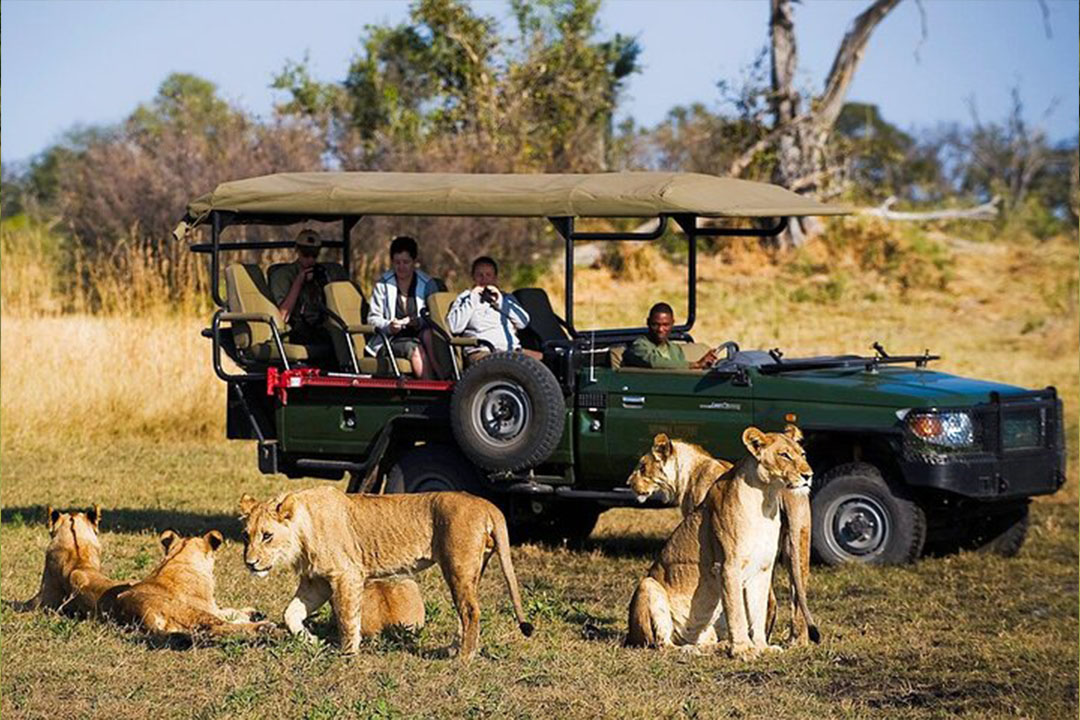
Self-Drive vs Guided Safari in Uganda
Self Drive vs Guided Safari
Planning a safari in Uganda is an exciting step toward experiencing some of Africa’s most diverse wildlife and landscapes, but one key decision can shape your entire journey, choosing between a self-drive safari and a guided safari. From the powerful waterfalls and abundant wildlife of Murchison Falls National Park to the tree-climbing lions of Queen Elizabeth National Park and the remote beauty of Kidepo Valley National Park, Uganda offers incredible opportunities for exploration, whether you prefer independence or expert guidance. A self-drive safari gives you the freedom to travel at your own pace, create your own route, and enjoy a sense of adventure, while a guided safari provides professional insight, convenience, and a higher chance of spotting wildlife. Understanding the differences between these two options is essential for choosing the experience that matches your travel style, budget, and expectations, ensuring your Ugandan safari is not only memorable but perfectly tailored to you.
What Is a Self-Drive Safari?
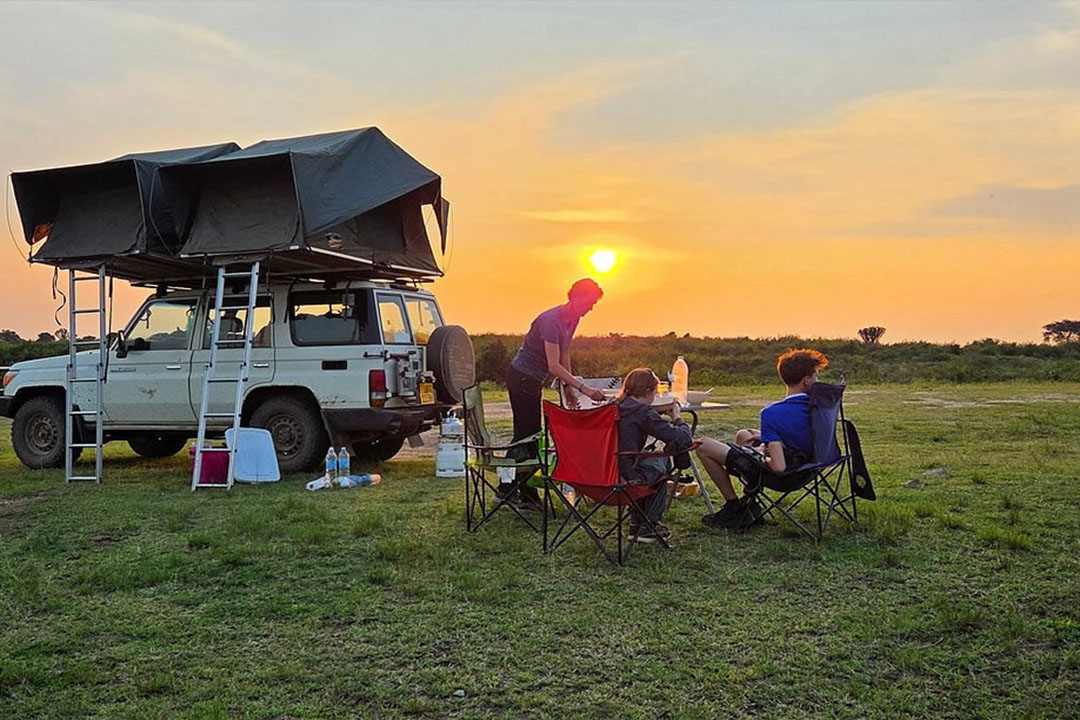
A self-drive safari allows you to rent a vehicle and explore Uganda at your own pace without a professional guide. It offers independence and flexibility, giving you full control over your itinerary, routes, and schedule. This option is especially popular among adventurous travelers who enjoy road trips and exploring off-the-beaten-path destinations.
Advantages of a Self-Drive Safari
Freedom & Flexibility
One of the biggest advantages of a self-drive safari in Uganda is the unmatched freedom it offers. You have complete control over your itinerary, allowing you to explore destinations like Lake Mburo National Park or Queen Elizabeth National Park at your own pace. Want to spend an extra hour watching a herd of elephants or take a scenic detour for photography? You can do so without being tied to a fixed schedule. This flexibility also allows you to travel spontaneously, adjust your plans based on weather or wildlife sightings, and create a truly personalized safari experience.
Cost-Effective Option
A self-drive safari is often more budget-friendly compared to a guided safari, making it an attractive choice for travelers looking to explore Uganda without high costs. By eliminating guide fees, you significantly reduce overall expenses and have the freedom to choose accommodations that suit your budget—from campsites to mid-range lodges. Additionally, you can manage your own fuel usage, meal stops, and travel pace, which helps you stay in control of your spending while still enjoying top destinations like Murchison Falls National Park.
Personal Adventure & Exploration
A self-drive safari transforms your trip into a true adventure, offering a deeper sense of exploration and discovery. Driving through Uganda’s diverse landscapes—from rolling hills and rural villages to vast savannahs—creates a more immersive travel experience. Navigating your way to remote destinations like Kidepo Valley National Park adds excitement and a sense of accomplishment that guided safaris may not fully provide. It allows you to connect more closely with the environment, interact with local communities along the way, and experience the journey as much as the destination.
Challenges of a Self-Drive Safari
Navigation & Road Conditions
Driving through Uganda can be both exciting and demanding, especially for first-time visitors unfamiliar with local routes. Many national parks, including Kidepo Valley National Park and Murchison Falls National Park, have rough, unpaved roads that can become dusty in the dry season and muddy or slippery during the rains. Navigating these مناطق often requires a reliable 4×4 vehicle, good driving skills, and patience. Signage within parks can also be limited, making it easy to get lost without GPS support or prior route planning. Long driving distances between destinations can add to fatigue, especially on multi-day safaris.
Limited Wildlife Knowledge
One of the biggest challenges of a self-drive safari is the lack of expert guidance when it comes to spotting wildlife. Animals in parks like Queen Elizabeth National Park are often well camouflaged or hidden in thick vegetation, making them difficult to locate without trained eyes. Professional guides are skilled at tracking animal movements, interpreting sounds, and reading subtle signs in the environment—skills that most self-drive travelers may not have. As a result, you might miss key sightings such as predators or rare species, which can significantly impact your overall safari experience.
Planning & Logistics Responsibility
A self-drive safari requires you to handle all aspects of planning and organization, which can be overwhelming if you are unfamiliar with Uganda’s travel system. This includes booking accommodations, securing park entry permits, planning fuel stops, and understanding park regulations. In remote areas, services such as fuel stations, repair shops, and medical facilities may be scarce. Coordinating your itinerary efficiently—especially when visiting multiple destinations like Bwindi Impenetrable National Park—requires careful time management and research to avoid delays or disruptions.
Safety & Emergency Concerns
While Uganda is generally a safe travel destination, self-driving in unfamiliar environments comes with certain risks. Wildlife encounters on the road, unexpected vehicle breakdowns, or getting stuck in difficult terrain can pose challenges, particularly in remote parks. Without a guide or support team, handling emergencies can be stressful and time-consuming. Limited mobile network coverage in some areas also means that calling for help may not always be immediate, making preparation and caution essential.
Fuel Management & Supplies
Fuel planning is a critical but often overlooked aspect of self-drive safaris. Many national parks and remote areas have limited or no fuel stations nearby, meaning you must plan refueling stops carefully before entering the park. Running low on fuel in isolated areas can disrupt your entire trip. Additionally, you’ll need to carry essentials such as water, snacks, spare tires, and recovery gear, as access to supplies within parks like Kidepo Valley National Park is very limited.
Travel Fatigue
Driving long distances across Uganda, often on rough terrain, can be physically and mentally exhausting. Unlike guided safaris where you can relax and enjoy the scenery, self-drive requires constant focus and energy. This can reduce the overall enjoyment of your trip, especially after several days on the road. Fatigue may also limit your ability to fully engage in activities like game drives or gorilla trekking once you reach destinations such as Bwindi Impenetrable National Park.
Self Drive vs Guided Safari
These challenges don’t make self-drive safaris impossible—but they do highlight the importance of preparation, experience, and realistic expectations when choosing this travel style.
What Is a Guided Safari?
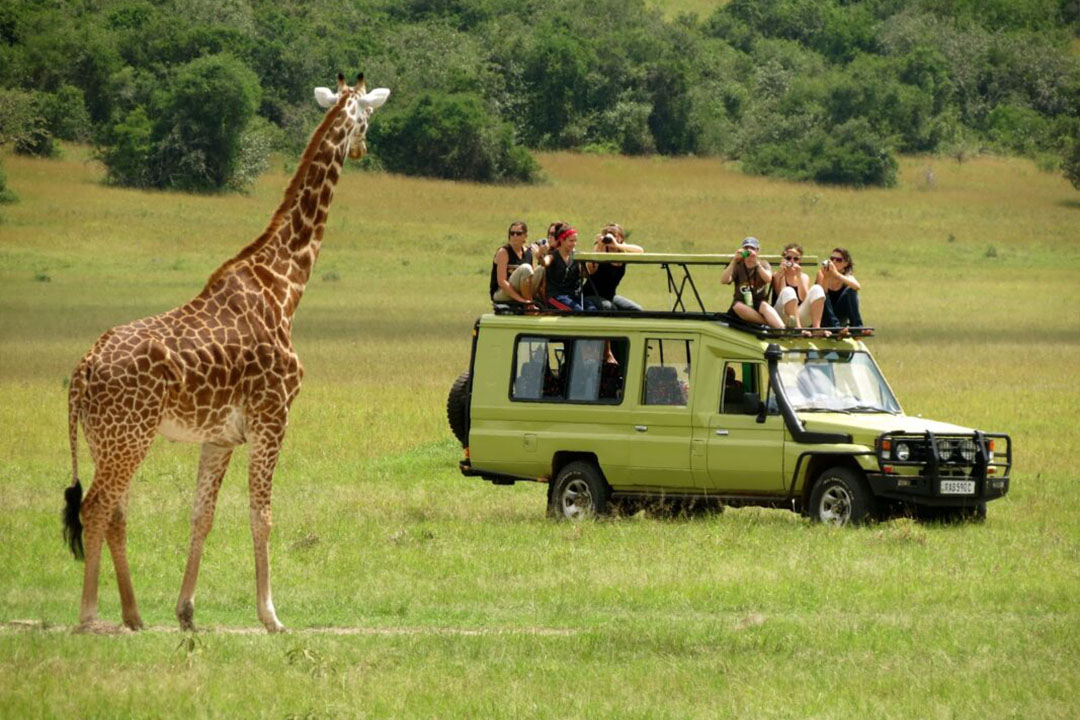
A guided safari includes a professional driver-guide who takes care of transportation, navigation, and wildlife tracking. This is the most popular option for visitors exploring Uganda for the first time.
Advantages of a Guided Safari
Expert Knowledge
One of the greatest advantages of a guided safari is the depth of knowledge that professional guides bring to your journey. Trained and experienced, guides understand animal behavior, migration patterns, and the ecosystems within parks like Queen Elizabeth National Park and Murchison Falls National Park. They can interpret tracks, sounds, and subtle movements in the bush, helping you spot wildlife that you might otherwise miss. Beyond wildlife, they also share insights into local culture, history, and conservation efforts, turning your safari into an educational and immersive experience rather than just a sightseeing trip.
Stress-Free Experience
A guided safari removes the burden of planning and logistics, allowing you to fully relax and enjoy your adventure. Everything—from park entry fees and accommodation bookings to route planning and activity scheduling—is handled for you. This is especially valuable in destinations like Bwindi Impenetrable National Park, where gorilla trekking permits and transfers require careful coordination. With a professional guide managing all the details, you can focus entirely on the experience, knowing that your journey is smooth, organized, and hassle-free.
Enhanced Wildlife Viewing
Guided safaris significantly increase your chances of seeing a wide variety of animals, including elusive species such as leopards and lions. Guides are skilled trackers who know the best times and locations for sightings, and they often communicate with other guides in the park to share real-time information about animal movements. In wildlife-rich areas like Kidepo Valley National Park, this expertise can make the difference between a good safari and an extraordinary one. Their ability to position the vehicle for optimal viewing and photography also enhances your overall experience.
Safety & Comfort
Safety is a major advantage of choosing a guided safari, particularly in unfamiliar or remote environments. Professional guides are trained to handle challenging road conditions, navigate wildlife encounters responsibly, and respond to unexpected situations. This is especially important in more remote parks like Kidepo Valley National Park, where terrain and distances can be demanding. In addition, guided safaris often include well-maintained vehicles designed for comfort, ensuring a smoother ride and a more enjoyable journey throughout your trip.
Challenges of a Guided Safari
Higher Cost
One of the main drawbacks of a guided safari in Uganda is the higher overall cost compared to a self-drive option. Guided safaris typically include a professional driver-guide, a customized 4×4 safari vehicle, fuel, park fees, and sometimes accommodation and meals, all bundled into one package. While this offers convenience and a premium experience, it can significantly increase the total price of your trip. For budget-conscious travelers, this may limit the number of days or parks they can visit, making it important to balance cost with the value of expertise and comfort provided.
Less Flexibility
Guided safaris usually follow a structured itinerary, which can limit spontaneity during your trip. Game drives, travel times, and activities are often pre-planned to maximize efficiency and wildlife sightings, especially in popular destinations like Murchison Falls National Park or Queen Elizabeth National Park. While this ensures you experience the highlights, it may reduce your ability to make last-minute changes, linger longer at a sighting, or explore lesser-known areas at your own pace.
Shared Decision-Making
Even on private guided safaris, some decisions—such as routes, timing, and activity flow—are influenced by the guide’s expertise and logistical considerations. While guides aim to provide the best possible experience, travelers who prefer complete independence may feel they have less control over their journey. In group safaris, this becomes even more noticeable, as preferences must be balanced among multiple travelers, which can sometimes affect personal interests or pacing.
Less Sense of Personal Adventure
For some travelers, especially those who enjoy road trips and exploration, a guided safari may feel less adventurous compared to driving through Uganda independently. Since the guide handles navigation, wildlife tracking, and logistics, you miss out on the thrill of discovering routes, spotting animals on your own, and managing the journey firsthand. While this trade-off enhances comfort and success in wildlife viewing, it may reduce the sense of personal achievement and exploration that comes with a self-drive safari.
Self Drive vs Guided Safari
Which Option Is Best for Gorilla Trekking?
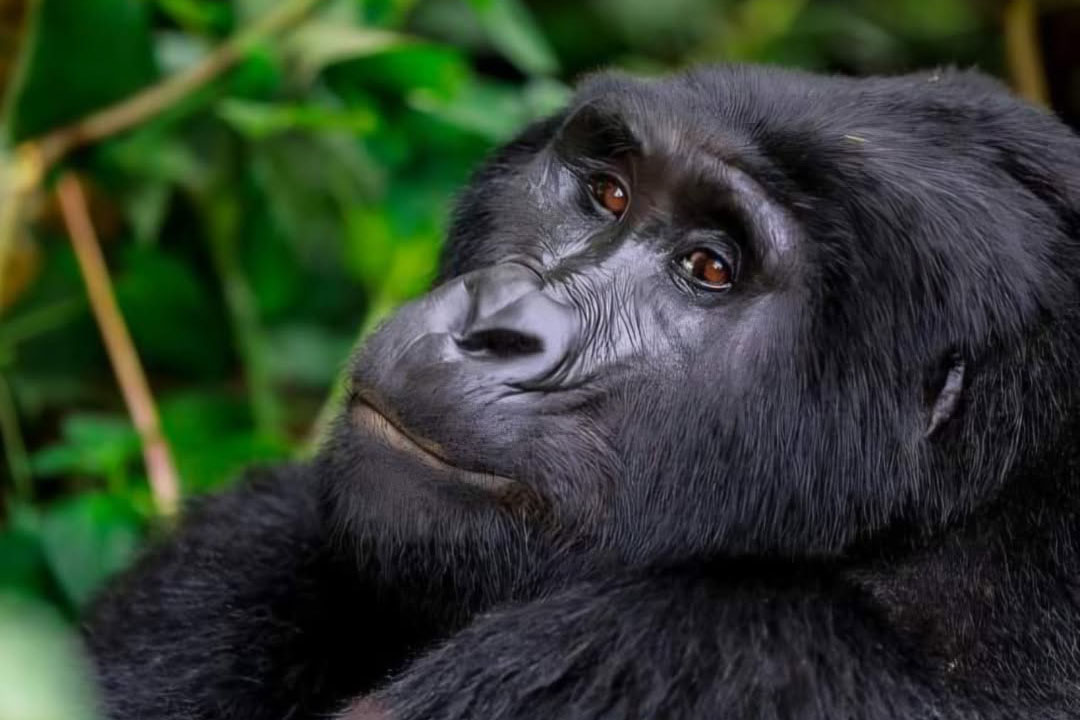
For gorilla trekking in Bwindi Impenetrable National Park or Mgahinga Gorilla National Park, both options are possible. However, guided safaris are highly recommended because they simplify logistics such as permits, accommodation, and transfers to trekking points.
Best Option for Wildlife Safaris
In savannah parks like Murchison Falls National Park and Queen Elizabeth National Park, guided safaris provide a richer experience due to expert tracking skills. Self-drive can still be rewarding, but it requires patience and good planning.
Final Verdict
If you’re an experienced traveler who enjoys independence and adventure, a self-drive safari can be incredibly rewarding. However, if you’re visiting Uganda for the first time or want a hassle-free, enriching experience with the best wildlife sightings, a guided safari is the better choice.
Why Choose Qash Safaris
At Qash Safaris, we specialize in guided experiences that combine comfort, expertise, and unforgettable adventures across Uganda. Whether you’re exploring Murchison Falls National Park or trekking gorillas in Bwindi Impenetrable National Park, our team ensures every detail is perfectly planned.
Ready to Plan Your Safari?
Self Drive vs Guided Safari
Choose the style that suits you best or let us help you decide. Contact Qash Safaris today and start your journey into the wild with confidence and ease.