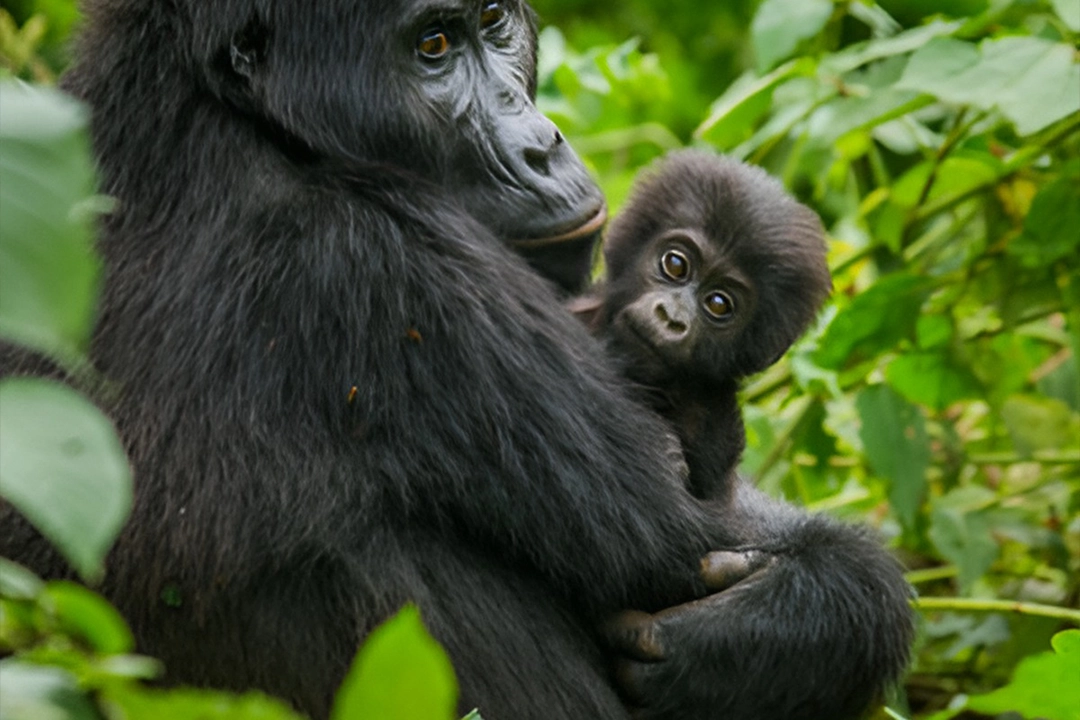
Rwanda Safari Cost Breakdown 2026: Budget vs Luxury Gorilla Tours”
May 14, 2026
How Solo Women Can Travel Safely in Rwanda and Uganda
May 19, 2026(April, May & November) discounted gorilla & chimp permit rates
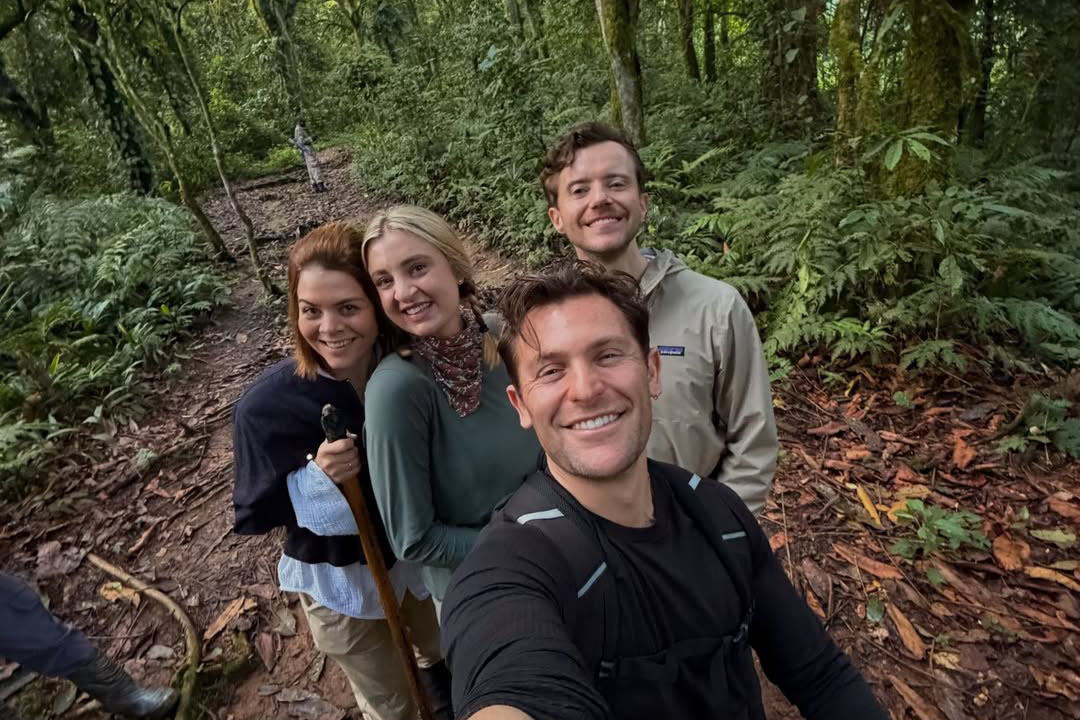
Discounted Gorilla & Chimp Permit
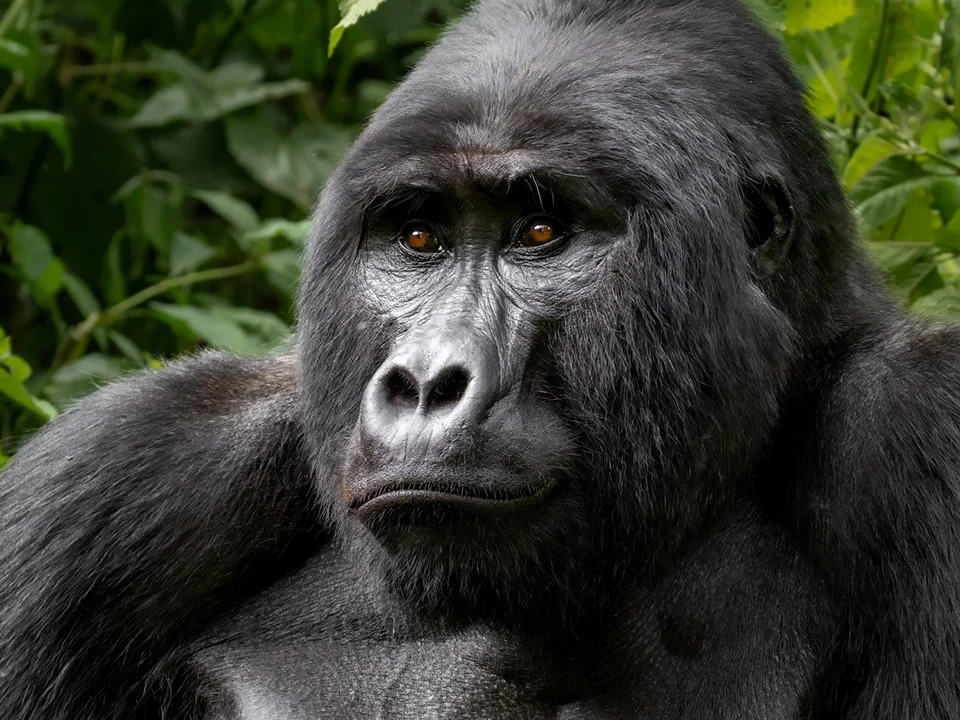
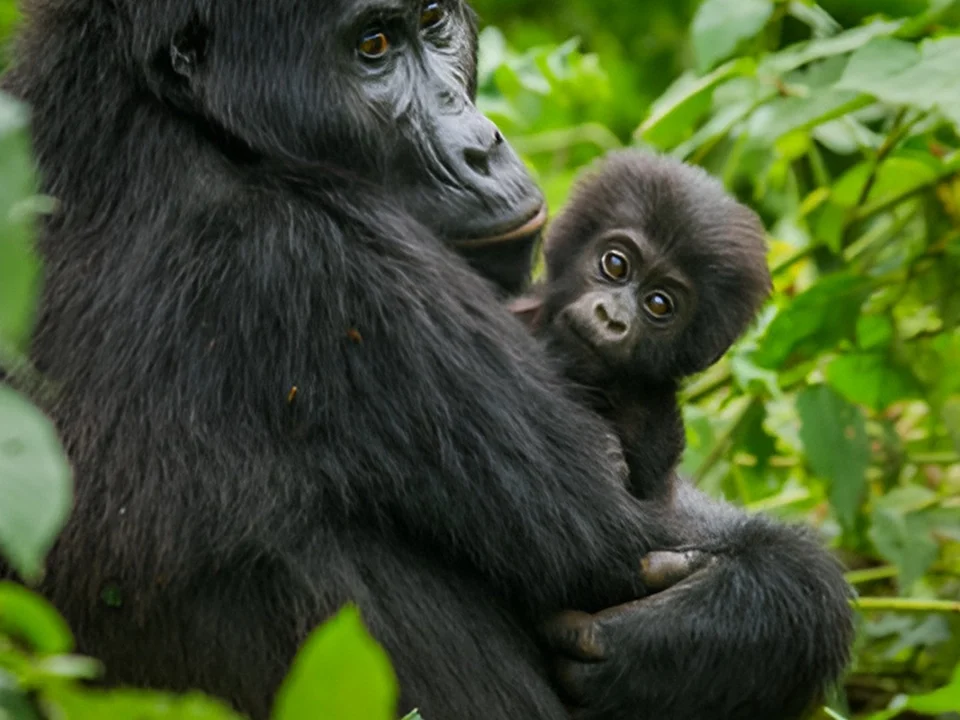
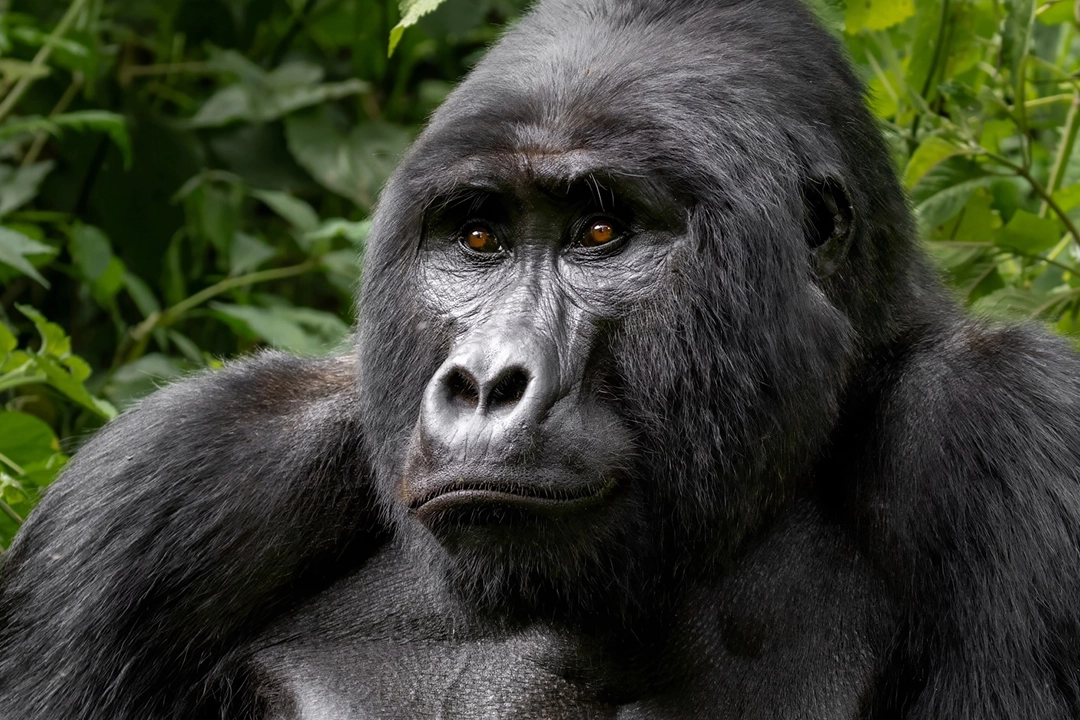
UWA’s 26 February 2026 update introduced low-season permit rates for April, May and November slashing Gorilla tracking to $600 and Chimp tracking to $200. Here’s our take on the new development.
On 26 February 2026, UWA introduced new low-season (April, May, and November) discounted primate permit rates:
- Gorilla tracking: US$600 (international visitors) / US$500 (foreign residents in Uganda)
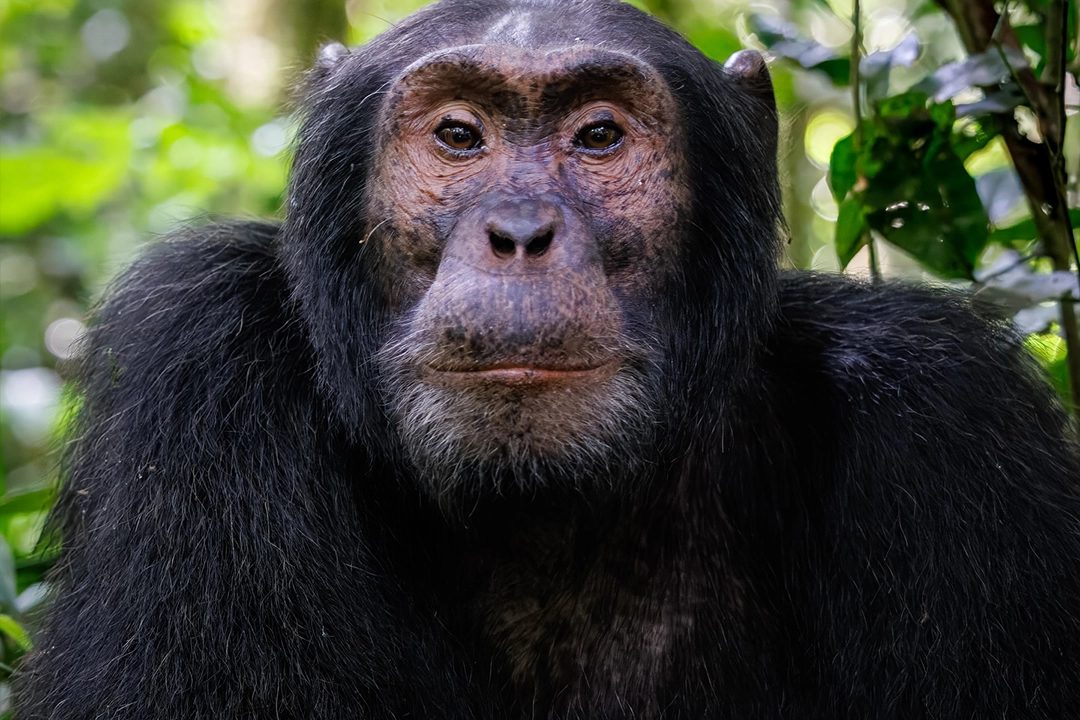
- Chimp tracking: US$200 (international visitors) / US$150 (foreign residents in Uganda)
One detail matters from this new UWA development: low-season discounted permits can’t be rescheduled. With dates fixed, this is a change we welcome for what it unlocks in trip design.
The trek itself stays the same. What changes is the shape of trips we can build around it. These months have always appealed to travellers who care about green landscapes, good pacing, and a quieter rhythm around the parks. Putting a defined low-season discounted rate on the calendar makes it easier to choose those months on purpose, rather than treating them as a compromise.
From our side of the table—building itineraries, securing permits, and protecting the trekking day experience—this is the kind of change that rewards thoughtful travel: less rushing, more breathing room, and a better chance to do primates in a way that feels simple and respectful.
Why this matters beyond the numbers (Discounted Gorilla & Chimp Permit)
A clear low-season window does something practical: it spreads demand across the year instead of stacking it into the same few peak months.
That’s good for travellers and good for the destination. Gorilla trekking mornings are steered by the briefing time (7:30am), not your flight schedule—and a little margin in the plan can make all the difference. When planning pressure eases, you get more options to design the trip properly—starting with the basics that most people only realise they needed after the fact:
- arriving near the trailhead with time to settle
- keeping trekking mornings calm and unforced
- building in a soft landing afterwards (a slow lunch, a rest, an evening that isn’t another long drive)
The value here is permission to plan for quality—especially for long-haul travellers from the US, UK and Australia, where jet lag and tight connections can turn a trekking day into a sprint if the itinerary is compressed.
What stays true (and why that matters)
A new discounted permit rate doesn’t change the fundamentals of primate tracking. The same essentials still shape the experience: a ranger briefing, a guided trek, and a time-limited encounter designed around animal welfare and habitat protection.
That’s reassuring, because it means this update is more about when you travel than what you’re buying. The low-season window sits alongside the standing tariff as a seasonal rate—useful, but not transformative in the way the primates trekking experience works.

What we genuinely like about the discounted permits
It rewards the way we prefer to plan primates
The best gorilla or chimp experiences rarely come from squeezing the trek between long drives. They come from a trip built with a little margin: arriving early enough to settle, sleeping close enough to start the morning steady, and leaving space afterwards so the day can land softly.
A low-season window makes that style of planning easier to choose, because travellers don’t feel pressured to compress everything to “make the numbers work.”
It supports a healthier rhythm around the parks
Clear incentives for specific months can help spread demand across the year. That matters to the people who make primate tourism possible—from ranger teams to lodge staff and community partners—because steadier seasonality supports steadier livelihoods.
It makes gorillas + chimps easier to do properly
For travellers who want both, this window can reduce the sense that you have to rush. The best combined trips don’t feel like a checklist; they feel like two distinct forest experiences with enough time to appreciate each one.
It aligns with how the lodge world already works in these months
April, May, and November have long been quieter months around Bwindi and Kibale, and many lodges respond the same way most premium destinations do: they price more flexibly in low season to keep standards consistent and teams in place.
That matters because UWA’s new permit window can stack with accommodation seasonality. The best result isn’t a “cheap trip.” It’s a better-built one—more margin around trekking mornings, fewer rushed transfers, and the ability to stay an extra night where it improves the feel of the journey.
The one rule we plan around
Low-season discounted permits are not reschedulable. We treat that as a design constraint from the first conversation.
It doesn’t make low season a bad option. It simply means we build trips that protect the trekking day: we avoid tight flight chains, we recommend a buffer night near the trailhead, and we don’t stack a long transfer right up against briefing time. The goal is simple—when the morning comes, you’re not negotiating fatigue and logistics at the same time.
UWA also notes the suspension of the 7-day reservation, which can tighten decision timelines. The practical takeaway: don’t plan on “holding” permits while everything else remains undecided. Confirm permits first, then build the trip around what’s secured.

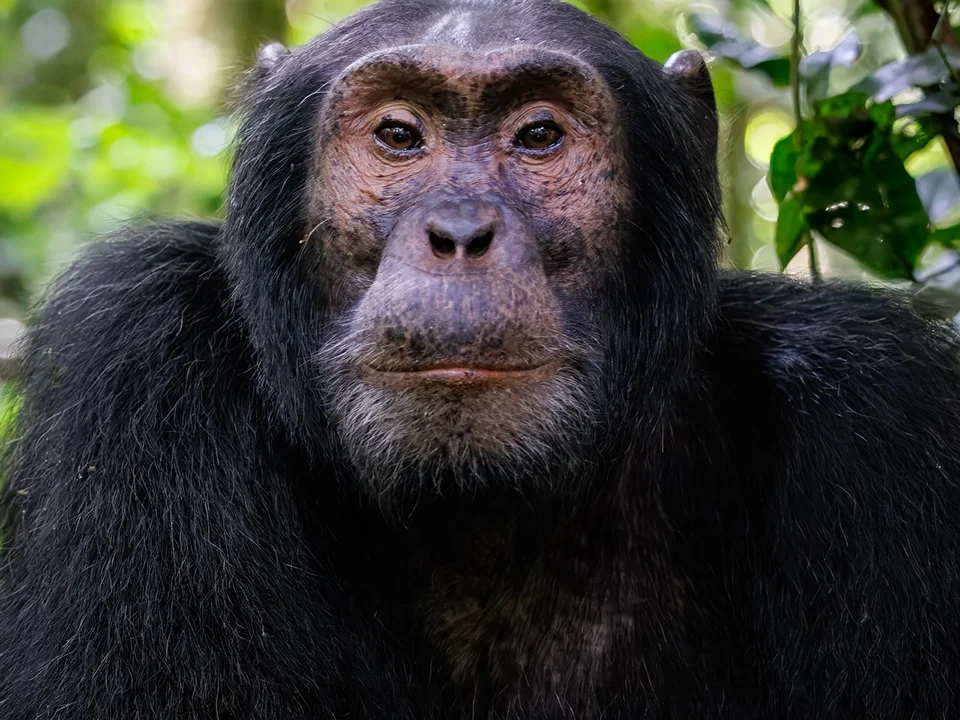
Three ways we’d use the low-season window well
1) Trailhead calm (gorillas as the anchor)
If gorillas are your centrepiece, our priority is simple: make the trekking morning feel settled. In the low-season months, the permit saving can buy you something more valuable than another activity—margin.
When lodge pricing also softens in the same months, we often encourage travellers to reinvest the difference in an extra night at the trailhead or a buffer day—the two choices that most reliably improve how trekking feels.
What that looks like in a well-built plan:
- a night close enough to the briefing point that the morning starts steady
- an itinerary that doesn’t “borrow time” from the trek day to pay for a transfer
- a softer afternoon afterwards, so your memory of the day isn’t dominated by a clock
2) Two forests, two different experiences (gorillas + chimps)
Gorillas and chimps are both forest encounters, but they feel completely different. The mistake is treating them like a single combined box to tick.
In April/May/November, we’d use the low-season window to keep them distinct. On combined primate trips, people underestimate recovery. Two early mornings back-to-back is where fatigue shows up.
We’d plan to:
- give each primate experience its own proper day
- place a realistic travel day between parks (so effort stays enjoyable, not punishing)
- choose timing that lets you appreciate the contrast: Bwindi’s depth and stillness, Kibale’s energy and sound
3) The Uganda arc (primates + wildlife, paced for pleasure)
For travellers who want primates and classic wildlife, the win is building an arc that breathes.
We prefer a rhythm where:
- primates are the emotional pillars of the trip
- wildlife viewing sits between them as contrast and decompression
- you stay long enough in each place to feel it, rather than just pass through it
That’s where Uganda gives you more African safari texture.
Check out this 8-Day Classic Primates Safari. It suits you!
The rates, in context
Think of this as a seasonal price window layered onto the existing tariff.
Rates shown here reflect UWA’s low-season notice for April/May/November and the current standing tariff period.
New low-season discounted rates (April, May, November)
- Gorilla tracking: US$600 (international visitors) / US$500 (foreign residents in Uganda)
- Chimp tracking: US$200 (international visitors) / US$150 (foreign residents in Uganda)
Note: low-season discounted permits can’t be rescheduled.
Standing rates (for comparison)
- Gorilla tracking (standard): US$800 (international visitors) / US$700 (foreign residents in Uganda)
- Gorilla Habituation: US$1,500 (international visitors) / US$1,000 (foreign residents in Uganda)
- Kibale chimp tracking (standard): US$250 (international visitors) / US$200 (foreign residents in Uganda)
- Kibale chimp habituation: US$300 (international visitors) / US$250 (foreign residents in Uganda)
Effective January 1, 2027, the rates will change to:
- Gorilla Habituation: US$1,800 (international visitors) / US$1,600 (foreign residents in Uganda)
- Kibale chimp tracking (standard): US$300 (international visitors) / US$200 (foreign residents in Uganda)
- Kibale chimp habituation: US$400 (international visitors) / US$300 (foreign residents in Uganda)
Quick questions
Is low season “second best”?
No. The permit rate reflects the calendar, not the quality of the encounter. The bigger determinant is how well the trip is paced around the trek.
What’s the catch with these discounted rates?
Low-season discounted permits can’t be rescheduled. If your dates shift, we plan more cautiously—or we steer you toward options that better match your flexibility.
When should we start planning?
As soon as you have a travel window in mind. Permits are the keystone; once they’re secured, everything else becomes easier to design cleanly. Discounted Gorilla & Chimp Permit Rates
Ready for the adventure of a lifetime? Fill out the booking form below and let Qash Safaris plan your perfect African safari experience. From unforgettable gorilla trekking and chimpanzee tracking to thrilling wildlife game drives and cultural tours, our team is here to make your journey smooth, exciting, and memorable. Secure your spot today and start exploring the beauty of East Africa with trusted safari experts!