
Semuliki Valley National Park
Semuliki National Park is one of the Africa’s most diverse forests and it is particularly known for its varied bird population. This biodiversity is enhanced by its great age, for it is one of the Africa’s most ancient forests. The park is located in Bwamba county in the remote part of Bundibugyo district.
Location.
It is located in Bwamba County, a remote part of Bundibugyo district, in the western region of Uganda. It was made a national park in 1993 and is one of Uganda’s newest national park.
Introduction
The Semliki Valley, Uganda’s first protected area, is located in the northern foothills of the Rwenzori Mountains, south of Lake Albert, along Uganda’s border with the Democratic Republic of the Congo. Without leaving Uganda, it is a superb way to have a remote introduction to the environments of Central Africa. The national park’s woodlands are the sole authentic lowland tropical forest in East Africa and the furthest eastern extension of the Ituri Forest of the Congo Basin.
The valley attracts tourists who wish to see the best of Uganda while avoiding the busier, more well-known areas of the country. It is a top location for bird watching as well. 441 bird species have been identified in Semuliki National Park, which accounts for 40% of all Ugandan species and 66% of all woodland species. There are numerous guided paths that lead visitors through the historic woods, papyrus swamps, and hot springs of the national park, which can only be visited on foot.
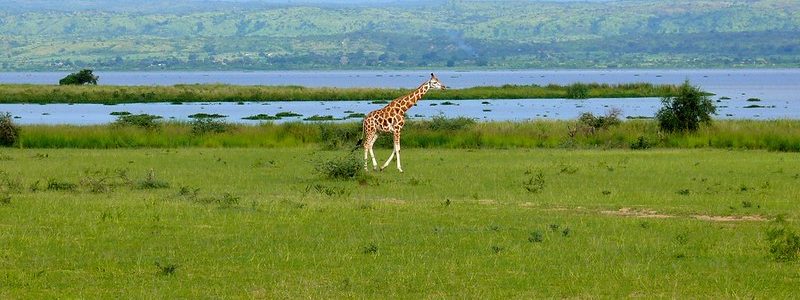
The Semliki Wildlife Reserve, a striking region of open savanna grassland and riverine forest, is located beyond the park. The reserve has a soft beauty that is only accentuated by the limited number of tourists, in contrast to the park, which is gloomy and visibly ancient. Due of its significant population of Uganda kob, it was first protected in 1926. In addition, it is home to a dry habitat chimpanzee group, colobus monkeys, buffalo, and both forest and savannah elephant.
Semuliki is a great example of conservation in action despite the fact that animal populations are low compared to those of other savannah parks in Uganda due to historically high levels of poaching. Semliki is the ideal destination for you if you’re curious about the difficulties facing African conservation as well as enjoying animal sightings. 425 bird species have been identified in the reserve. One of the finest methods to see Shoebill storks in Uganda is through the boat safaris offered from the reserve on Lake Albert. There are lots of sightings, it’s a lovely experience overall, and the only people you’ll probably meet are fishermen in Lake Albert’s waters. Semliki is also a beautiful place to unwind and unwind, taking in the quiet of this remote area of Uganda.



Activities of Semuliki National Park
Wildlife Reserve Game drives.
This is one of the most common activities in Semuliki national park. Toro Semuliki reserve is an open grass land and river forest and was gazzeted to protect the wild life species that exist in the valley.
The park suffered high levels of poaching from communities thus reducing the number of mammals lower than any savannah park in Uganda. The park hosts more than 53 mammal species that can be explored on three game drive tracks gazette by Uganda wildlife authority. Some of the animals include elephants, buffaloes, water bucks, warthogs, Uganda kobs to mention but a few.
Three game drive routes are available for exploring the Semliki Wildlife Reserve. Either the Semliki Safari Lodge or the Uganda Wildlife Authority provide game drives. They are open in the early morning and late in the day.
There are also accessible nighttime game drives. Along with buffalo, waterbuck, crocodile, warthog, and Uganda kob, both smaller forest and bigger savannah elephants are frequently spotted. early morning and late in the day. Look out for pygmy hippo, leopards, and raucous bush babies as well.
Hot Springs.
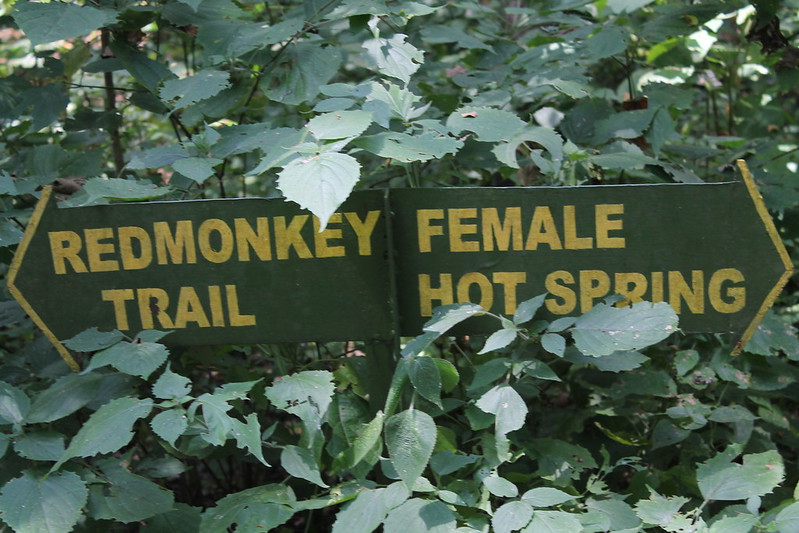
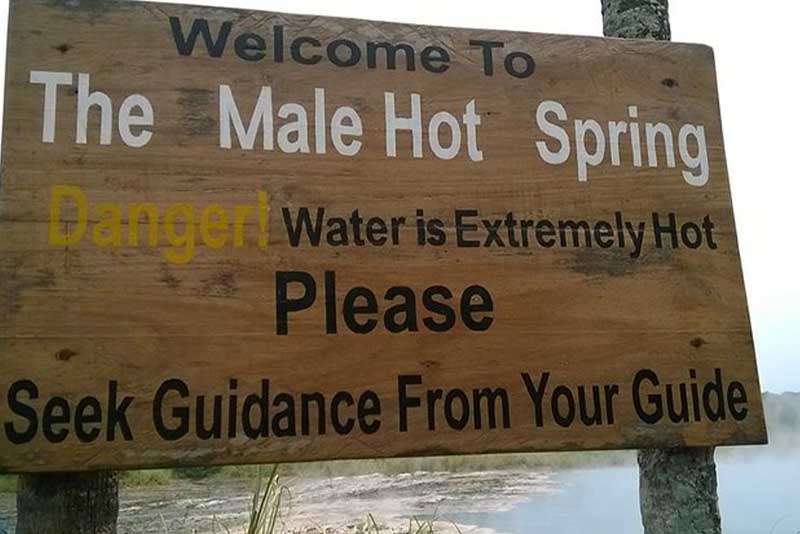
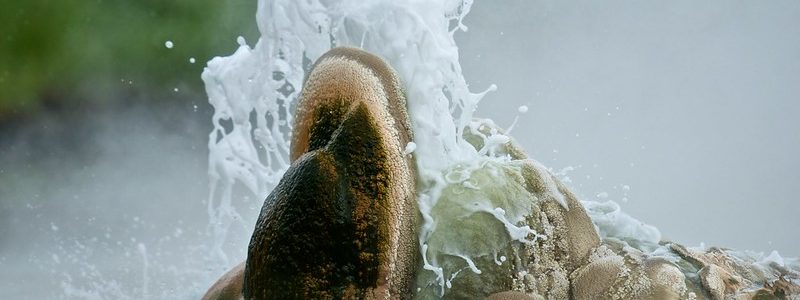
Semuliki national park species have been accumulating for over 25000 years as evidenced of its over older processes creating hot springs. Semuliki hot springs bubble up from the depths to demonstrate the power full subterranean forces that have been shaping the rift valley during the last 14 million years. The hot springs are worth visiting while on your Uganda safari visit. The hot springs are known as the Sempaya hot springs and they are formed into female and male hot springs. Even if you don’t want to go a lengthy woodland trek, you should still go to the hot springs.
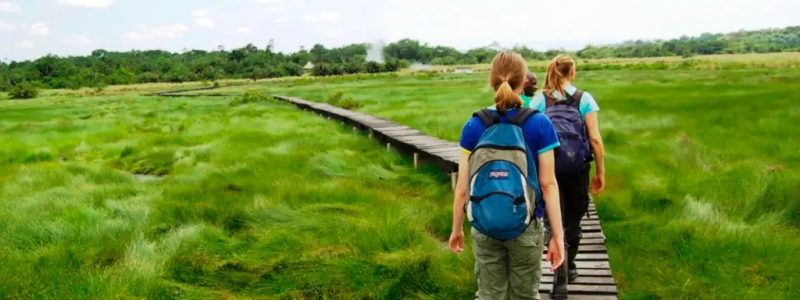
There are two springs known as the “Male” and “Female” springs that can be reached by a brief boardwalk (in some places) trail through the forest. They are not only a striking reminder of the geologic forces that shaped the valley but also hold great cultural value in the area. The tales will be told to you by your guide. A great half-day trip from Semliki Safari Lodge, this.
Bird watching During Nature walk.
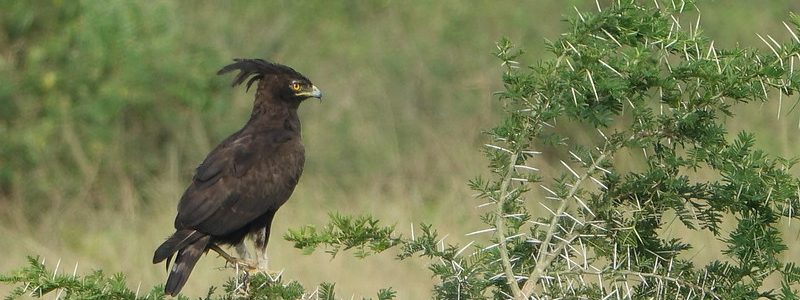
This refers to the act of observing birds in the park or in their natural habitat. The park has recorded over 441 different bird species exploring this park and its reserve is a special experience for birders looking for scientific importance.
There are provided trails by Uganda wildlife authority for example the 13 km kirumia trail which leads you through the heart of the forest to Semuliki river and the transect through the different habitat makes the perfect area of bird watching.
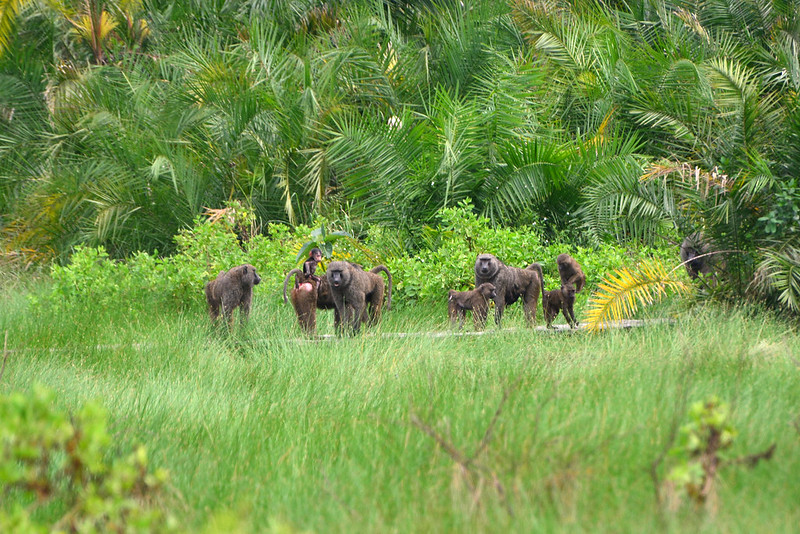
The birds include the ground horn bill, shoe bill stock. On a 3-hour stroll, wander aimlessly through the reserve’s various habitats, from riverine forest to savannah woodland. Ground Hornbills, Warthogs, Uganda Kobs, Baboons, Black and White Colobus, and Vervet Monkeys are among the animals you can anticipate seeing.
Semuliki National park Walking Trails.
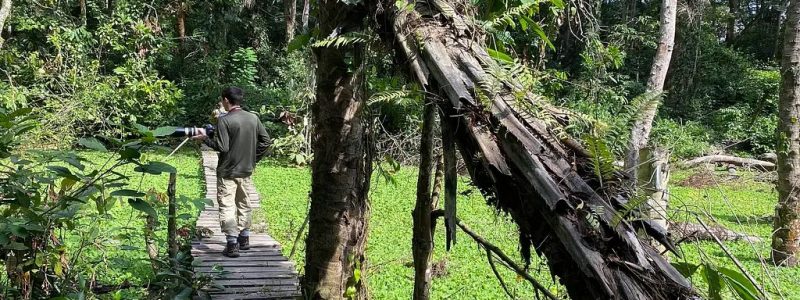
There are several trails provided in the park like the shorter trail in the eastern border to Semuliki river, the rare de brazzas monkeys are often spotted along the trial and area. While the shortest trail of 8km also called the Sempaya nature trail introduces you to some of the primates and later the hot springs of Semuliki national park. Both birders and tourists seeking atmospheric sites of significant scientific value across the world will find exploring this particular woodland ecosystem to be a truly special experience.
Three routes can be traveled on with a Uganda Wildlife Authority guide present. The 13 km Kirumia Trail, which leads to the Semuliki River through the heart of the forest, is the longest. This is ideal for birders because it transects several ecosystems. Plan on spending eight hours asleep. The Red Monkey route, which is slightly shorter at 11 km, follows the park’s eastern border to the Semliki River in an effort to spot the uncommon deBrazza’s monkey, which is frequently observed in this region.
The Sempaya Nature Trail, which is 8 kilometers long in total, is the shortest trail. It leads you to the hot springs and introduces visitors to the forest’s primates. The 2- to 4-hour hike can be done in the morning or late in the day.
Lake Albert Boat Safaris
Take to Lake Albert’s mirror-like waters on a calm day to search for the coveted Shoebill stork. This great experience is made even more spectacular by the boat ride across the lake and the stunning backdrop of the hazy blue mountains of the DRC, which are best viewed on the boundaries of the papyrus beds that mark where the Semliki river enters Lake Albert. The Semliki Safari Lodge offers the best boat safari, which is taken in the early morning.
A boat ride on Lake Albert is amazing with beautiful views, sounds of the birds heard from a distance, you can also see the waterfalls along the lake which provide a great picnic spot and various fishing villages far away. Therefore on your trip to Western Uganda do not miss out to do a boat ride on Lake Albert.
Spotting the shoebills in Semuliki national park is not easy but the boat ride on Lake Albert gives you chance to take a local canoe around the lake swamps in search of the unique shoebills. A professional local guide will help you during the process from your pick up at the landing site and take through the entire place searching for this rare species since they are more experienced with the water body. After meeting these birds, you will be allowed to pull out your cameras and take a shot of the bird
Flora & Fauna
Due to its distinctive tropical lowland forest and surrounding wetlands (in Uganda), Semuliki is particularly well-known for its birdlife. There are 441 species that have been identified, including 216 species of forest birds and 40% of all the bird species in Uganda.
A large number of these species are rare: While another 35 species can only be found in two or three other locations in Uganda, 46 species from the Guinea-Congo biome are unique to East Africa. The environment of the Albertine Rift is home to five unique species.
Of the 53 mammal species, 27 are big animals. The park is home to 11 species, including two types of flying squirrels and pygmy antelope. The water chevrotain, also called the “fanged deer,” lives there.
The forest elephant and buffalo, which are smaller versions of their savannah siblings, are the largest mammals. The chimpanzee, baboon, grey-cheeked mangabey, black-and-white colobus, Central African red colobus, blue, red-tailed, de Brazza’s, vervet, and Dent’s mona monkeys are just a few of the primates that may be found in the jungle. Among nocturnal primates are pottos and bushbabies. Along the Semliki River, crocodiles and hippos are frequent sights.
The bird population in Semliki Wildlife Reserve is very robust, with over 425 species identified. There are also chimpanzees, colobus monkeys, elephants (forest and savannah elephants), and buffalo, yet it is still well-known for its population of Ugandan kob.
Geography and Geology of the Semuliki Valley National Park
The habitats of a large portion of the Semliki Valley are protected by the Semuliki National Park and Semliki Wildlife Reserve, which are both situated on the remote western side of the Rwenzori Mountains (formerly known as the Toro-Semliki Game Reserve).
Semuliki National Park is 670–760 meters above sea level and 220 square kilometers in size. It was became a National Park in 1993 after being first designated as a Forest Reserve in 1932. As the eastern boundary of the DRC’s Great Ituri Woodland, its forest is the sole authentic lowland tropical forest in East Africa. The hot Sulphur springs are still very important to the nearby towns that border the park.
The Semliki Wildlife Reserve, which borders the park’s grassland region and was established in 1926, was Uganda’s first protected area. The principal ecosystems are grassy savannah and open acacia-combretum woodland, with patches of Borassus palm forest interspersed. The Congolese Blue Mountains, which rise to a height of 2,500 meters, may be seen on the western horizon from an elevation of around 700 meters above sea level, and the Rwenzoris’ glacier peaks can be seen to the south west.
There are also significant belts of riparian woodland along the main river courses and some sizable wetlands in the direction of Lake Albert.
Final Thoughts:
Semuliki National Park is a unique blend of ancient rainforest, rare wildlife and natural wonders like the Sempaya hot springs. Its rich biodiversity and serene landscapes make it a must visit for travelers seeking authentic nature experiences.
Plan your Semuliki adventure today!
Book your safari and explore the hidden gems of Uganda’s western wilderness.
.