How does gorilla trekking benefit local communities?
November 19, 2025
7-Day Gorilla, Chimpanzees & Wildlife Tour: The Ultimate Uganda Safari Experience
December 19, 2025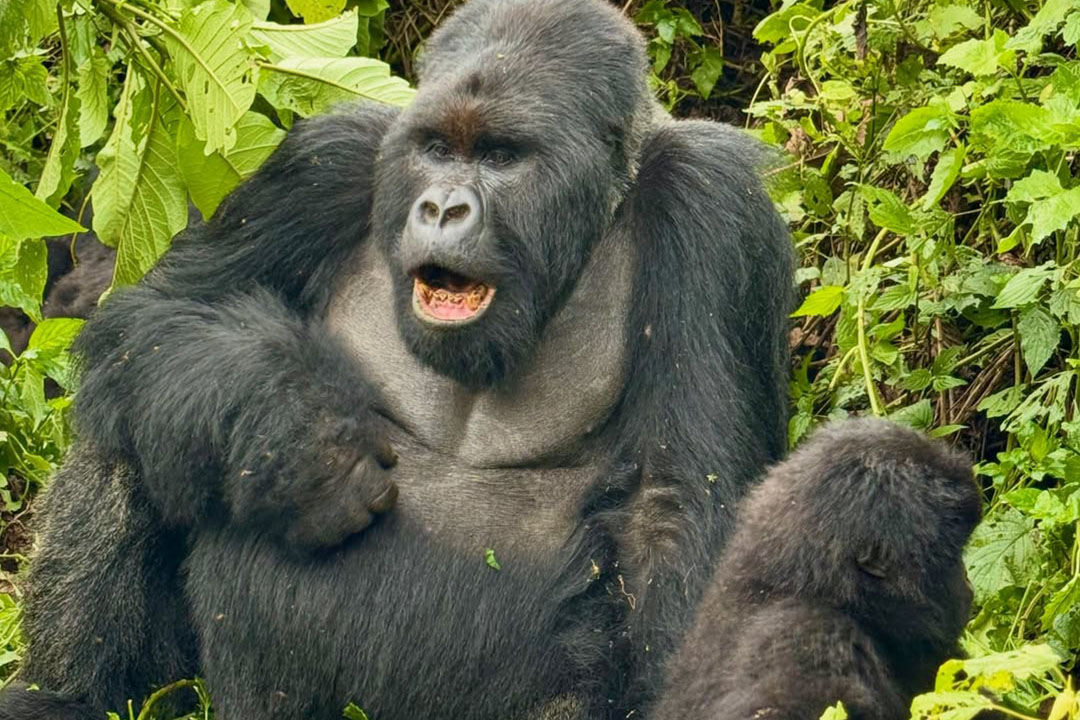
What Is Gorilla Trekking? A Complete Guide for First-Time Visitors
Gorilla trekking is one of the most powerful and unforgettable wildlife experiences in the world. It involves hiking through dense tropical forests to observe endangered mountain gorillas in their natural habitat. Unlike a traditional game drive, gorilla trekking is an immersive, on-foot adventure that brings you face to face with one of humanity’s closest relatives in the wild.
This experience is carefully regulated to protect the gorillas while allowing visitors a rare opportunity to learn about and appreciate their behavior, family dynamics, and conservation.
Understanding Gorilla Trekking
Gorilla trekking takes place in protected national parks where mountain gorillas live. These gorillas are habituated to human presence through a long and careful process carried out by researchers and wildlife authorities. “Habituated” does not mean tamed—it simply means the gorillas are accustomed to people observing them from a safe distance.
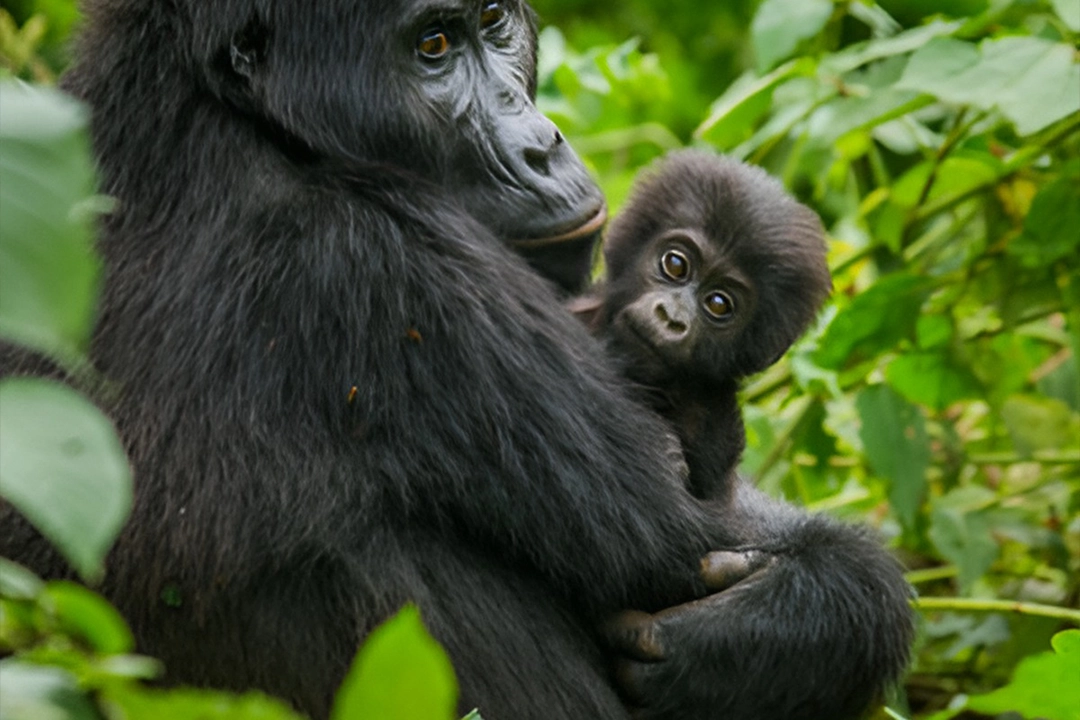
Each trekking group is guided by professional rangers and trackers who locate a specific gorilla family early in the morning. Once the gorillas are found, visitors are allowed to spend one magical hour observing them as they feed, groom, play, and interact within their family group.
Where Does Gorilla Trekking Take Place?
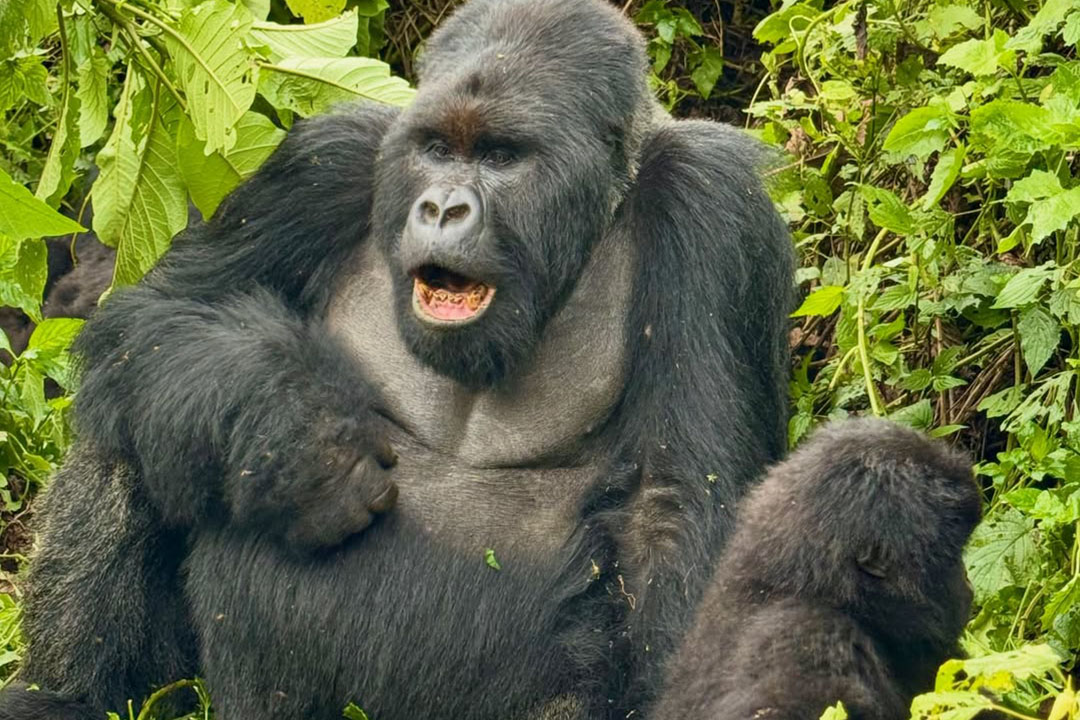
Gorilla trekking takes place in only a few select locations in the world, making it a rare and exclusive wildlife experience. The activity is limited to protected national parks in East and Central Africa, where the last remaining populations of endangered mountain gorillas live. These areas are carefully managed to balance tourism, conservation, and community benefits.
In Uganda, it is conducted in Bwindi Impenetrable National Park and Mgahinga Gorilla National Park. Bwindi is home to nearly half of the world’s mountain gorilla population and is known for its dense rainforest, diverse trekking sectors, and multiple habituated gorilla families. Mgahinga, located in the Virunga Mountains, offers a more compact trekking area with stunning volcanic scenery and fewer trekking groups, providing a quieter experience.
In Rwanda, this experience takes place in Volcanoes National Park, situated in the northwestern part of the country. This park is famous for its dramatic chain of volcanic peaks and its strong conservation history linked to Dian Fossey’s work. Gorilla trekking in Rwanda is known for well-maintained trails, shorter trekking times in some areas, and easy access from the capital, Kigali.
In the Democratic Republic of Congo (DRC), it is available in Virunga National Park, Africa’s oldest national park. Virunga is renowned for its rich biodiversity and breathtaking landscapes, which include volcanoes, forests, and savannahs. Gorilla trekking here offers a more adventurous and less crowded experience, often appealing to travelers seeking something off the beaten path.
Together, these destinations form the only places on Earth where visitors can legally and responsibly trek to see mountain gorillas in the wild. Each country offers a unique trekking experience, but all share a common goal: protecting mountain gorillas while allowing visitors to witness these remarkable animals in their natural environment.
What Happens on a Gorilla Trekking Day?
A typical gorilla trekking experience follows a structured and well-organized process:
Early Morning Briefing
Trekkers gather at the park headquarters for a briefing by wildlife rangers. You’ll learn about gorilla behavior, safety rules, and trekking etiquette.Group Allocation
Visitors are divided into small groups (usually a maximum of 8 people) and assigned a specific gorilla family to track.The Trek
The hike can last anywhere from 30 minutes to several hours, depending on the location of the gorillas. Terrain varies from gentle forest trails to steep, muddy slopes.Gorilla Encounter
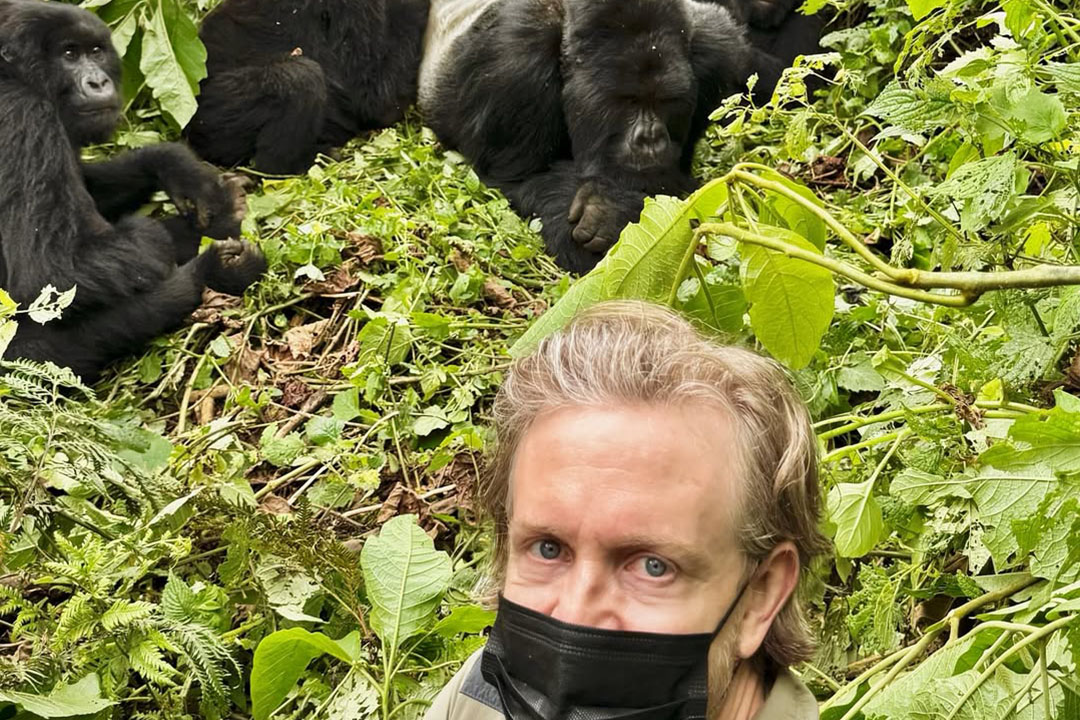
Once the gorillas are located, you spend one hour with them. This is the highlight of the experience and often deeply emotional.Return Journey
After the hour ends, you hike back and receive a trekking certificate at the park headquarters.
Why this Experience Is So Special
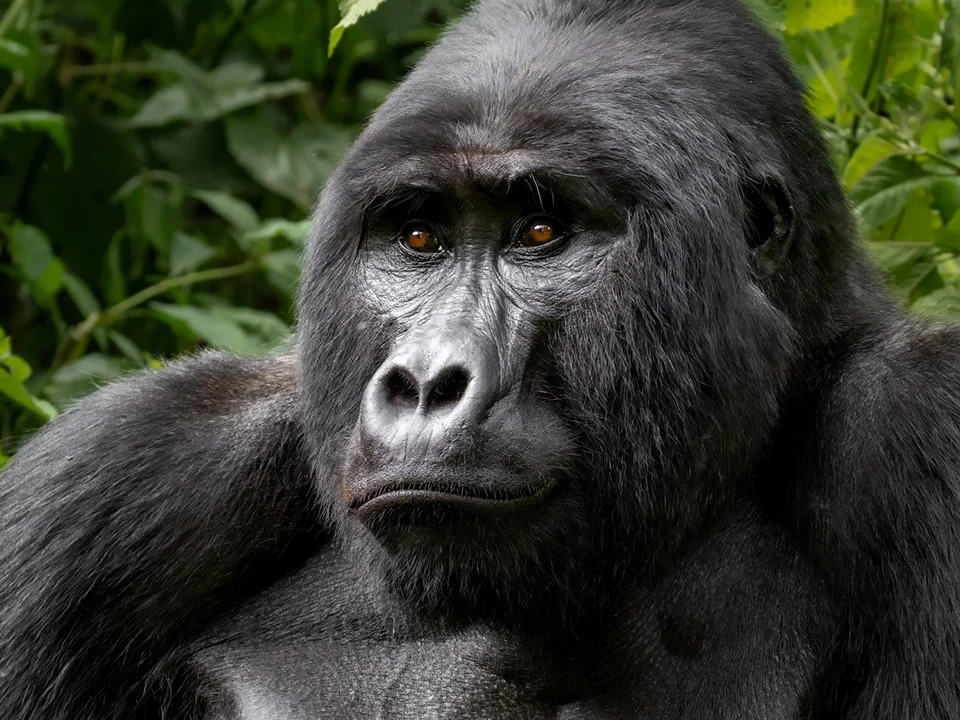
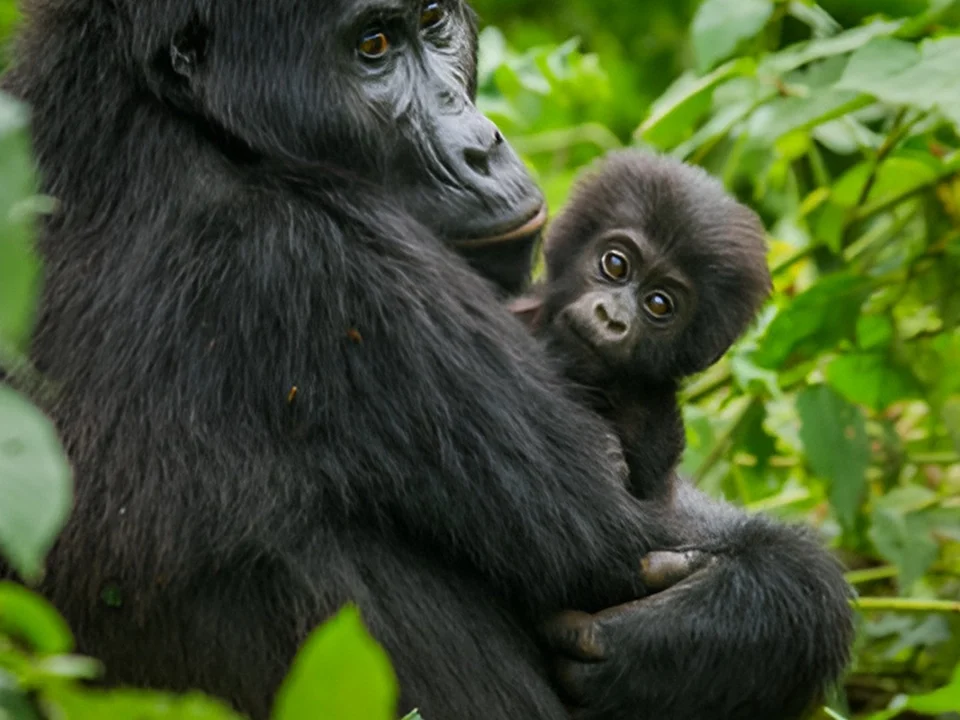
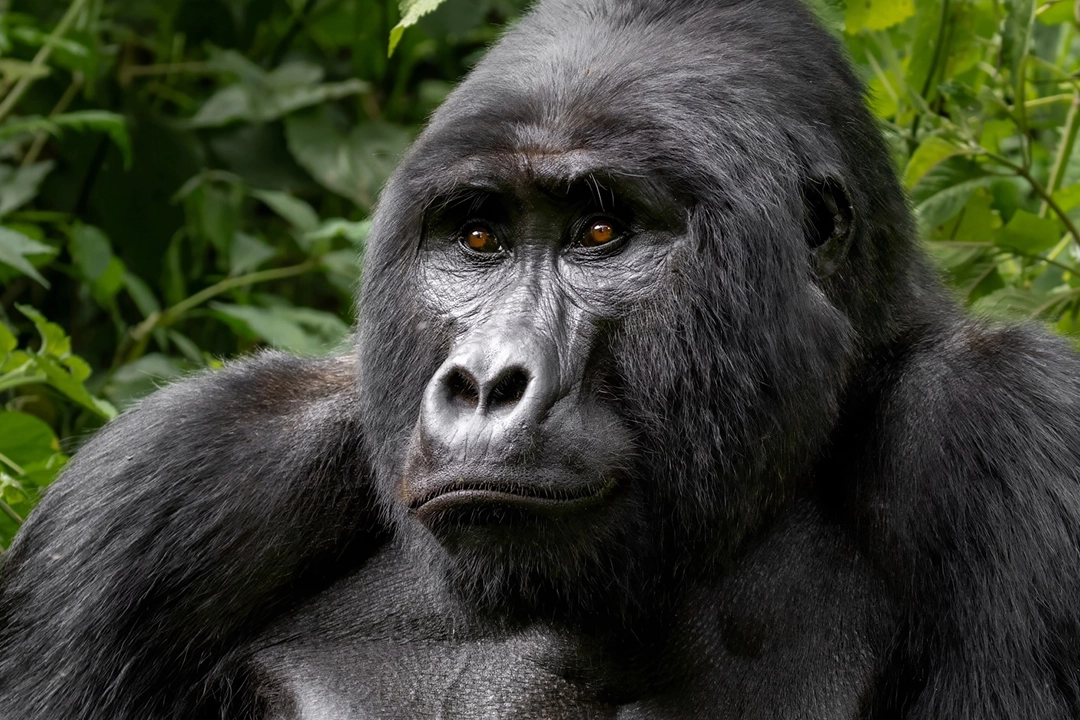
Gorilla trekking is so special because it offers one of the closest and most intimate wildlife encounters on Earth. Standing just a few meters away from a wild mountain gorilla in its natural habitat is an experience unlike any other. Watching a silverback calmly observe his family, or seeing young gorillas play and climb trees, creates a powerful emotional connection that few other safari activities can match.
Another reason gorilla trekking is unique is the sense of adventure involved. The experience requires hiking through dense rainforests, navigating steep slopes, and immersing yourself fully in nature. Every trek is different, shaped by the movement of the gorillas and the changing forest conditions. This unpredictability makes the journey feel authentic and deeply rewarding, especially when you finally encounter the gorilla family.
This Experience is also special because it brings people face to face with a species that shares a close genetic relationship with humans. Observing their facial expressions, social bonds, and gentle interactions often leads to a profound sense of respect and empathy. Many visitors leave the forest with a new perspective on wildlife, conservation, and humanity’s role in protecting endangered species.
Beyond the personal experience, gorilla trekking plays a vital role in conservation. Permit fees directly fund the protection of gorillas, support anti-poaching efforts, and help maintain national parks. The activity also provides sustainable income for local communities through jobs such as guiding, tracking, portering, and hospitality, making conservation valuable at both a national and grassroots level.
Finally, gorilla trekking is special because it is truly a once-in-a-lifetime experience. Strict limits on visitor numbers ensure that encounters remain exclusive and meaningful. For many travelers, the memory of spending an hour in the forest with mountain gorillas becomes the highlight of their African safari—and a story they carry with them forever.
Physical Fitness and Difficulty Level
Gorilla trekking is considered a moderate to challenging activity. While you don’t need to be an athlete, a reasonable level of fitness is important. Treks involve walking through thick vegetation, climbing hills, and sometimes navigating muddy or uneven terrain.
Porters are available at the parks and are highly recommended. Hiring a porter not only makes the trek easier but also supports local livelihoods.
Best Time to Go
Gorilla trekking is possible year-round, but the best times are during the dry seasons:
June to September
December to February
During these months, trails are less muddy and hiking conditions are generally easier. However, gorilla sightings are excellent throughout the year, even during the rainy seasons.
Trekking Rules and Safety Guidelines
To protect both visitors and gorillas, strict rules are enforced:
Keep a minimum distance of 7 meters from the gorillas
Do not touch the gorillas
No flash photography
Do not trek if you are sick
Keep voices low and movements slow
These rules ensure the long-term survival of this endangered species.
How Gorilla Trekking Supports Conservation and Communities
Gorilla trekking plays a crucial role in conservation. Permit fees fund:
Anti-poaching patrols
Veterinary care for gorillas
Park management and research
Community projects such as schools and health centers
Local communities benefit through employment as guides, trackers, porters, and lodge staff, making conservation more valuable than poaching or deforestation.
Is Gorilla Trekking Worth It?
Absolutely. While gorilla trekking permits can be expensive, the experience is priceless. Standing quietly in the forest as a silverback watches over his family is a moment that stays with you forever. Many travelers describe gorilla trekking as life-changing and the highlight of their African safari.
Final Thoughts
Gorilla trekking is more than just a safari activity—it’s a meaningful journey into the heart of Africa’s rainforests and a powerful reminder of our responsibility to protect the natural world. For travelers seeking adventure, conservation, and deep connection with wildlife, gorilla trekking is an experience like no other.
If you’re planning a safari in Uganda, Rwanda, or the Congo, gorilla trekking deserves a top spot on your itinerary.