5 Life-Changing Moments on a Uganda Safari
September 24, 2025
What Is Gorilla Trekking? A Complete Guide for First-Time Visitors
December 13, 2025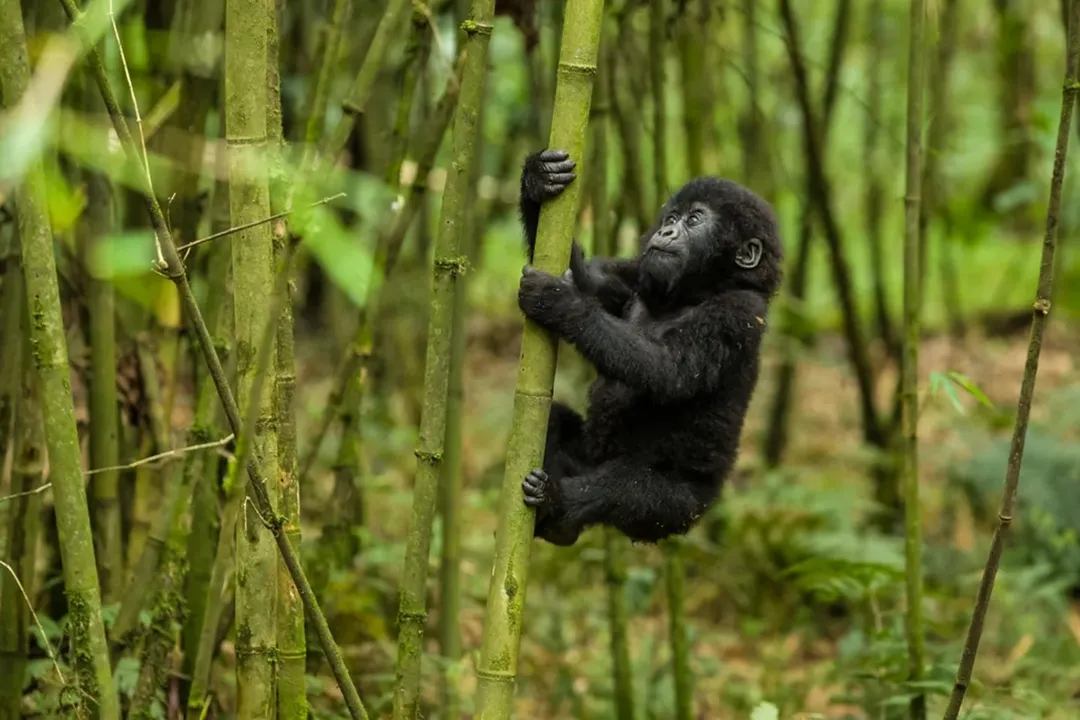
Gorilla Trekking Community Benefits
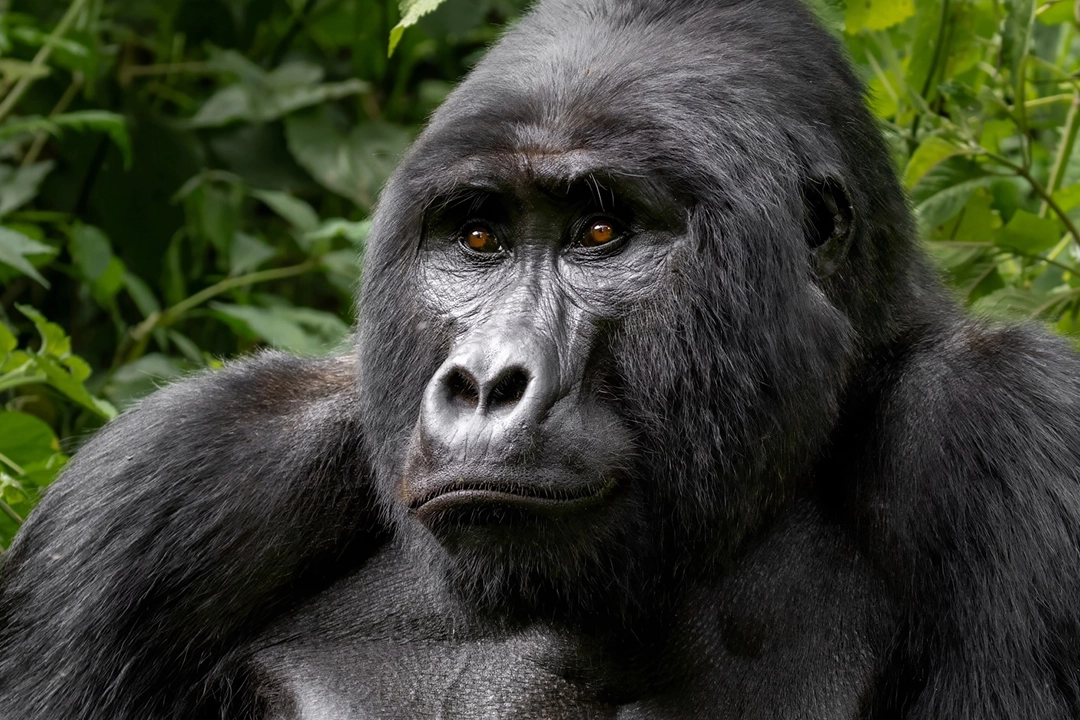
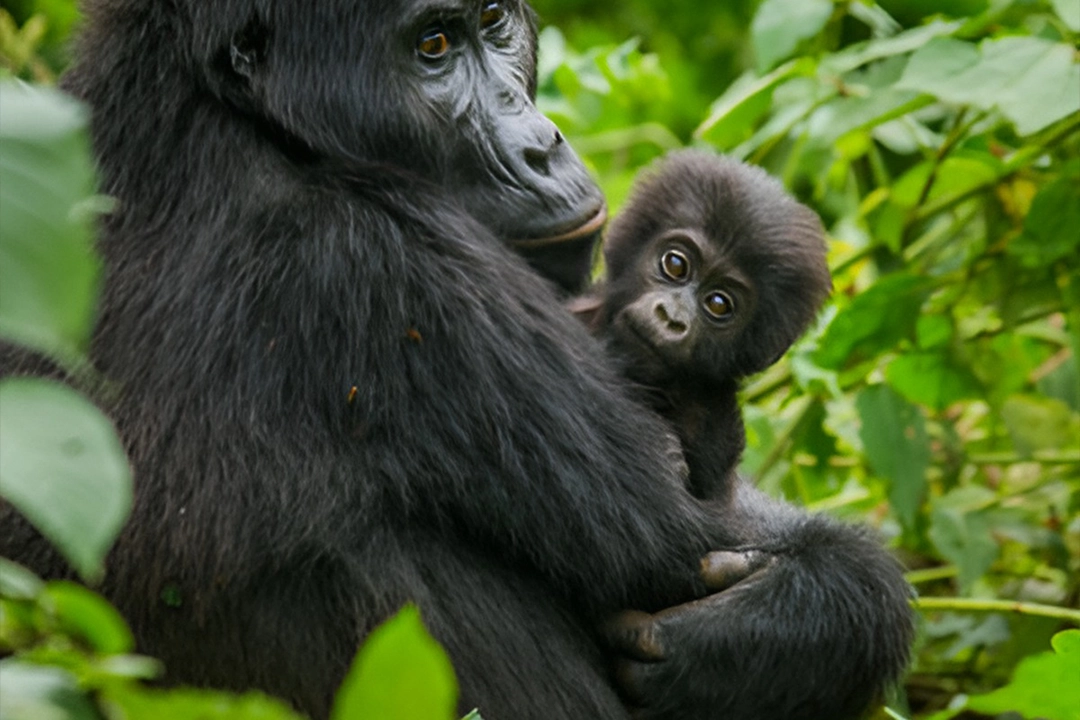
Gorilla trekking isn’t just a thrilling wildlife experience, it’s a powerful tool for conservation and community development. In countries like Uganda, Rwanda, and the Democratic Republic of Congo (DRC), the presence of endangered mountain gorillas has turned once isolated forest regions into vibrant centers of eco-tourism and sustainable livelihoods.
For decades, these areas were among the most remote and impoverished parts of East and Central Africa. Many communities depended on small-scale farming, logging, and hunting to survive activities that often led to deforestation and conflict with wildlife. But the rise of gorilla tourism has completely transformed this reality.
Today, gorilla trekking stands as one of Africa’s most successful examples of community-based conservation, where protecting nature directly benefits the people who live closest to it. Every visitor who purchases a trekking permit, stays in a local lodge, or hires a porter contributes to a ripple effect of positive change — from funding schools and health centers to providing employment and inspiring environmental stewardship.
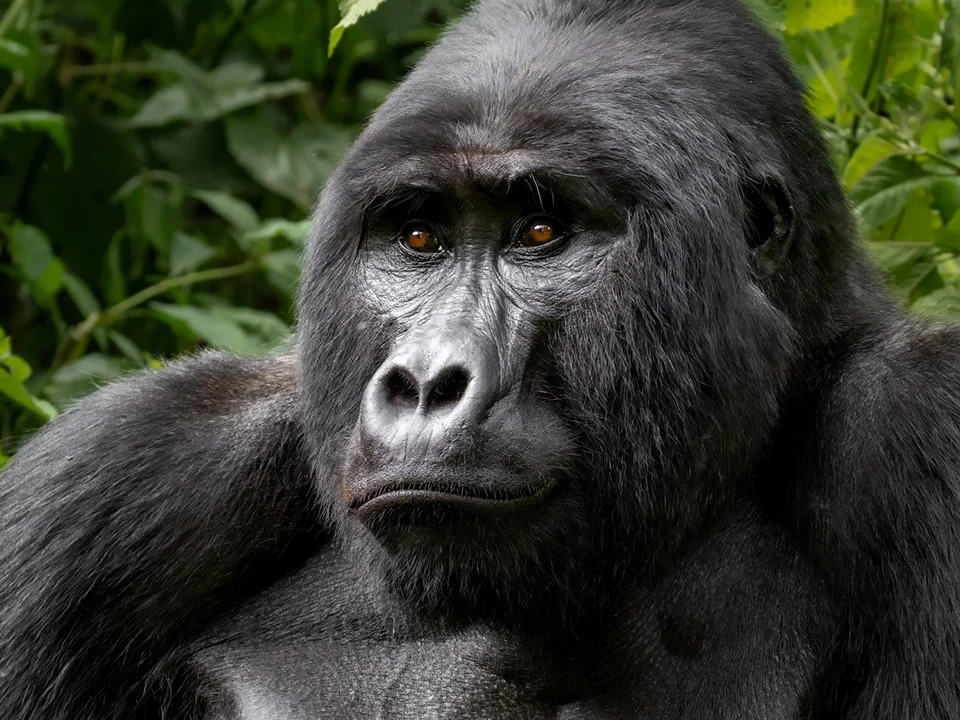
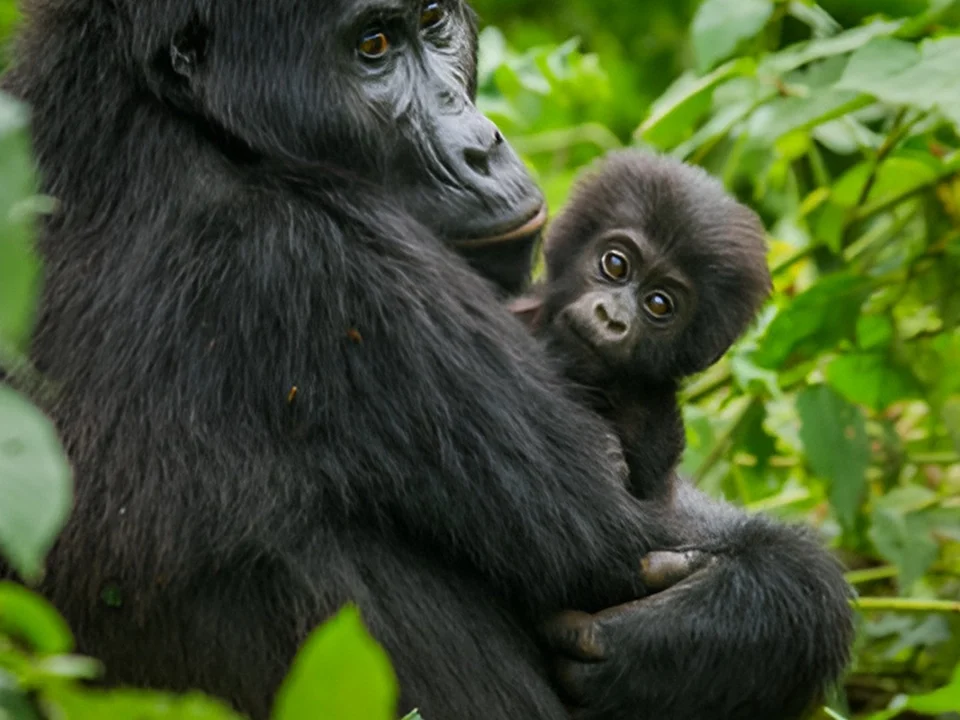
Gorilla tourism now supports thousands of families across the Virunga Massif (Rwanda, Uganda and DRC) and Bwindi Impenetrable Forest in Uganda, offering a model for how wildlife conservation and human development can go hand in hand.
Here’s how gorilla trekking benefits local communities in real, measurable ways — improving lives, protecting forests, and ensuring that both people and gorillas thrive together for generations to come.
1. Job Creation and Income Opportunities
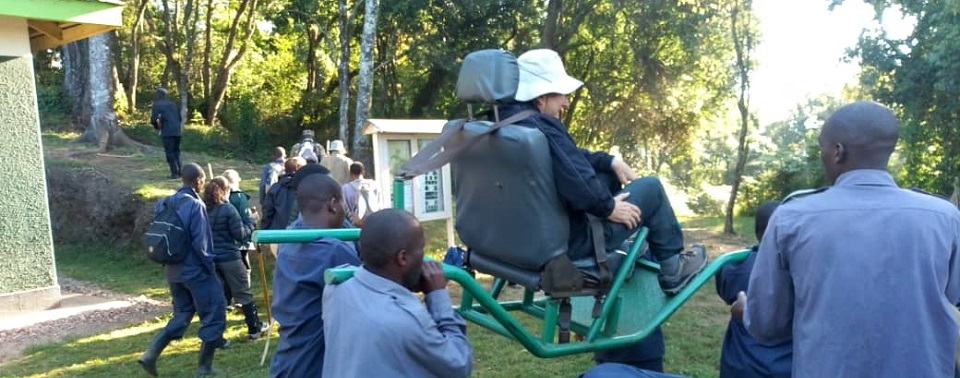
One of the biggest benefits of gorilla tourism is employment. Before tourism, many locals depended on subsistence farming, logging, or even poaching to survive. Today, gorilla trekking provides stable, sustainable jobs that directly connect people to conservation.
Here are some of the key roles:
Park Rangers and Guides: Local men and women are trained extensively in gorilla behavior, forest safety, and tourism management. They lead treks, ensure visitor safety, and act as conservation ambassadors.
Trackers: These skilled individuals enter the forest early each morning to locate gorilla families, making it easier for tourists to find them.
Porters: Porters carry tourists’ backpacks and camera gear, especially on steep or muddy trails. Their service fee (usually around $20–$30) provides essential income for their families.
Lodge and Camp Staff: Housekeepers, cooks, receptionists, and drivers are often recruited from surrounding villages, giving them access to regular wages.
Craft Vendors and Cultural Performers: Locals sell handmade crafts or perform traditional dances for tourists, promoting cultural heritage and earning income.
In Uganda’s Bwindi region, over 80% of park employees come from nearby communities, proving that gorilla trekking directly uplifts local livelihoods.
2. Revenue Sharing and Community Development
Gorilla trekking permits are expensive — and for good reason. The high cost not only supports conservation but also funds community projects through national revenue-sharing programs.
In Uganda, 10% of all park entrance and permit fees go directly to local communities through the Uganda Wildlife Authority (UWA) Revenue Sharing Program.
In Rwanda, the Tourism Revenue Sharing Program also allocates 10% of tourism income to villages near Volcanoes National Park.
These funds are used to build and improve:
Schools and classrooms for local children
Health centers and maternity clinics
Water projects providing clean drinking water
Community roads and bridges that connect villages
For example, in Buhoma village near Bwindi, gorilla permit funds helped construct a new primary school and health clinic, serving hundreds of families who previously lacked access to these services.
When communities directly benefit from tourism, they develop a sense of ownership and pride in protecting gorillas and their forests.
3. Reducing Human–Wildlife Conflict
Before conservation programs, local farmers often viewed gorillas as pests — animals that destroyed their crops or competed for land. This led to conflict and occasional poaching.
Now, thanks to gorilla trekking and education, the mindset has shifted. Communities realize that a living gorilla is far more valuable alive than dead.
Revenue-sharing programs compensate farmers for crop losses.
Community rangers help patrol park boundaries to prevent wildlife from wandering into farmland.
Locals are trained in conservation and participate in reforestation projects that expand gorilla habitats.
As a result, poaching incidents have dropped dramatically around parks like Bwindi and Volcanoes National Park.
4. Education and Environmental Awareness
Gorilla trekking has also sparked a new wave of environmental awareness among young people. Conservation organizations like the Dian Fossey Gorilla Fund, International Gorilla Conservation Programme (IGCP), and Conservation Through Public Health (CTPH) partner with schools to teach children about the importance of protecting nature.
Local students are taken on educational trips to national parks, attend conservation clubs, and participate in wildlife art and essay competitions.
This has inspired a new generation of eco-conscious youth, many of whom go on to work as guides, conservationists, or researchers. In turn, this creates a sustainable cycle of local guardianship for future gorilla conservation.
5. Healthcare, Roads, and Infrastructure
The benefits of gorilla trekking extend beyond jobs and education — they improve quality of life. Tourism revenue funds critical infrastructure such as:
Health clinics that provide free or subsidized medical care
Road improvements, making remote areas accessible
Clean water and sanitation systems that prevent disease
Electricity and solar energy projects that power rural homes
For instance, in Nkuringo (south of Bwindi), funds from gorilla tourism helped establish a maternity center and improve the main access road, reducing travel time for villagers and park staff.
Better infrastructure not only benefits residents but also enhances the visitor experience, making gorilla tourism a win–win partnership.
6. Empowering Women and Marginalized Groups
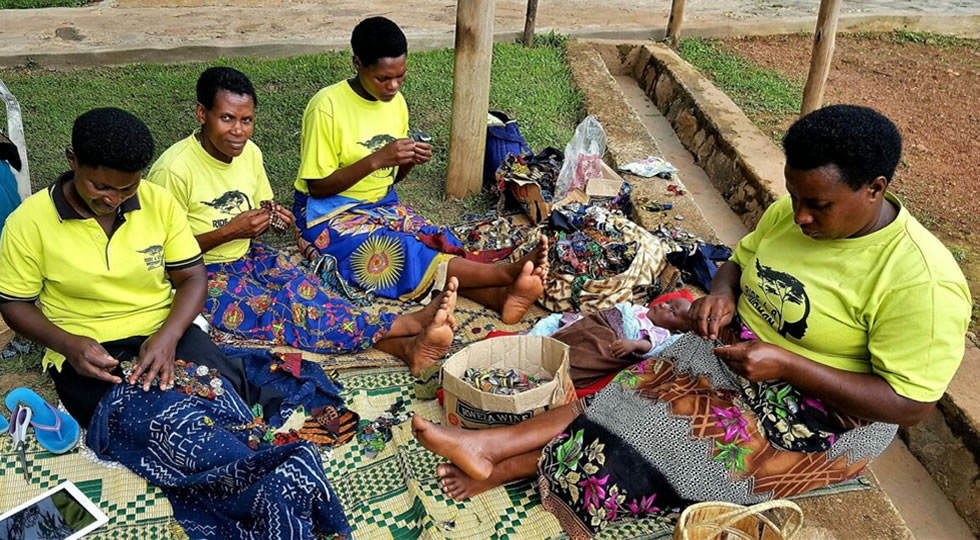
In many communities surrounding gorilla parks, women were traditionally excluded from income-generating opportunities. Gorilla tourism has changed that narrative.
Women now work as guides, lodge managers, and entrepreneurs. Several organizations specifically support women through eco-tourism initiatives — such as Ride 4 a Woman in Bwindi, which trains women in tailoring, basket weaving, and hospitality.
These programs empower women to become financially independent, support their families, and gain a stronger voice in local decision-making.
Similarly, marginalized groups such as the Batwa pygmies, who were displaced when gorilla parks were created, now participate in cultural tourism and craft cooperatives, helping them preserve their identity while earning a livelihood.
7. Strengthening Conservation and Sustainable Development
Gorilla trekking demonstrates that conservation and community development can coexist. By linking economic benefits to wildlife protection, people see a direct reason to preserve forests and gorillas.
When visitors buy trekking permits, hire porters, or stay in eco-lodges, they create a sustainable funding cycle that supports both people and wildlife.
This model — often called community-based conservation — has inspired similar initiatives for chimpanzees, elephants, and rhinos across Africa. It’s proof that tourism, when done responsibly, can protect endangered species while fighting poverty.
Final Thoughts
Gorilla trekking is so much more than a wildlife adventure, it’s a force for good. Every trekker contributes to a network of jobs, education, healthcare, and conservation efforts that uplift entire communities.
When you buy a gorilla permit, you’re not just paying for an hour with these majestic creatures you’re investing in a future where gorillas and humans coexist in harmony.
So yes, gorilla trekking changes lives not just for travelers, but for the people and wildlife who call Africa’s rainforests home.