
Serengeti National Park
Introduction to Serengeti National Park
Serengeti National Park is one of the most famous safari destinations in Africa and one of the greatest wildlife ecosystems on earth. Located in northern Tanzania, the park covers nearly 15,000 square kilometers of vast savannah plains, riverine forests, rocky outcrops, and woodlands. Its name comes from the Maasai word “Siringet,” meaning “endless plains,” which perfectly describes the sweeping landscapes that stretch to the horizon.
The Serengeti is globally recognized for its remarkable biodiversity and spectacular wildlife viewing opportunities. The park supports one of the largest concentrations of animals in Africa, including lions, elephants, leopards, buffalo, and rhinos. It is also the stage for one of nature’s most dramatic wildlife events, the annual Great Wildebeest Migration, where millions of animals move across the ecosystem in search of fresh grazing land.
Because of its ecological importance and exceptional wildlife populations, Serengeti National Park has been designated a UNESCO World Heritage Site and remains a cornerstone of East African safari tourism.
Wildlife in the Serengeti
The Serengeti ecosystem is home to an extraordinary diversity of wildlife, making it one of the best places in Africa for game viewing. Large herds of wildebeest, zebras, and gazelles roam the plains, providing a constant food source for predators.
Visitors on safari often have excellent chances of seeing members of the famous Big Five. These include the African Lion, African Elephant, Leopard, African Buffalo, and the endangered Black Rhinoceros.
Predators thrive in the Serengeti due to the abundance of prey. Lion prides are commonly seen resting on kopjes or stalking across the grasslands, while cheetahs use the open plains to chase antelopes at incredible speeds. Leopards are often spotted resting in acacia trees near rivers, quietly observing their surroundings.
Beyond the large mammals, the Serengeti is also home to more than 500 species of birds, making it an excellent destination for birdwatching enthusiasts.
The Great Wildebeest Migration
One of the most remarkable natural events in the world occurs in Serengeti National Park each year. The Great Wildebeest Migration involves more than two million wildebeest, zebras, and gazelles moving in a continuous cycle across the Serengeti ecosystem and into the neighboring Maasai Mara National Reserve.
The migration is driven by seasonal rains and the search for fresh grazing. Along the way, the herds must cross dangerous rivers filled with crocodiles and face predators waiting along the plains. These dramatic river crossings are among the most iconic wildlife spectacles in Africa.
The migration follows a circular route throughout the year. Calving season usually occurs in the southern Serengeti between January and March, while the famous Mara River crossings typically take place between July and October.
Landscapes and Ecosystems
One of the most striking features of Serengeti National Park is its incredible variety of landscapes. The central Serengeti is dominated by open savannah grasslands dotted with granite kopjes that provide shelter for lions and other predators.
The western corridor of the park follows the Grumeti River and is characterized by riverine forests and dense vegetation that attract elephants and large herds of antelope. In contrast, the northern Serengeti features rolling hills and woodlands near the Mara River, where the famous migration crossings occur.
These diverse habitats support a wide range of wildlife species and create breathtaking scenery for visitors exploring the park.
Safari Activities in Serengeti National Park
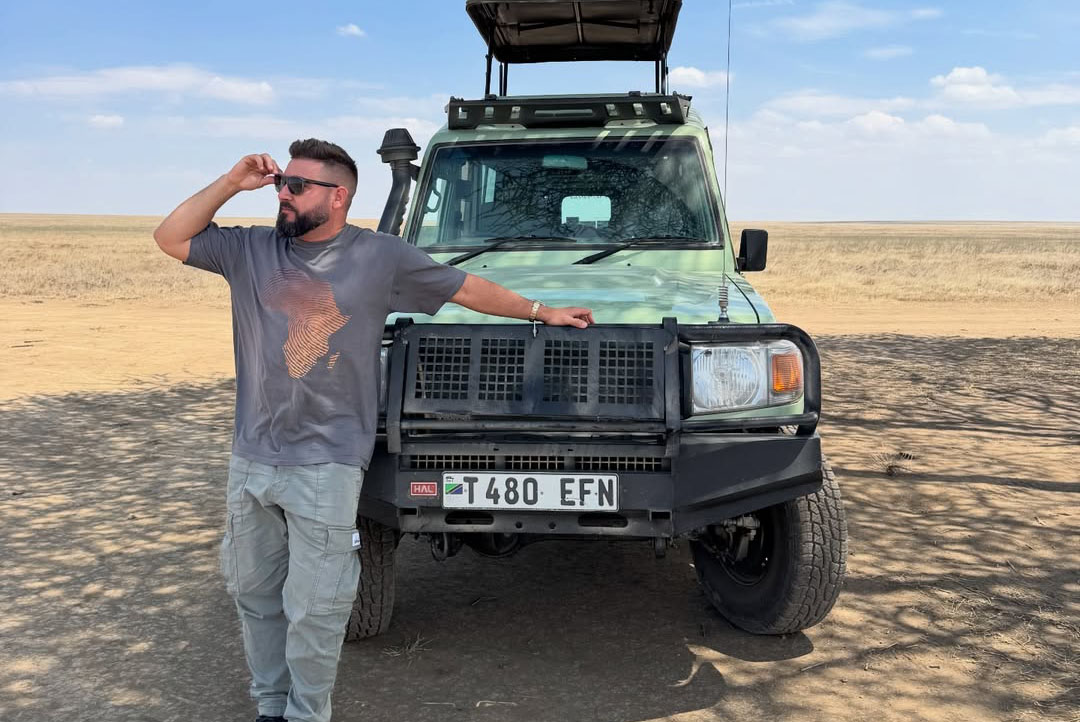
A safari in Serengeti National Park offers a variety of unforgettable experiences. The most popular activity is the traditional game drive, where visitors explore the park in specialized safari vehicles accompanied by professional guides. These drives provide excellent opportunities to observe wildlife in their natural environment.
One of the most spectacular experiences available in the Serengeti is a hot air balloon safari. Floating above the plains at sunrise offers breathtaking views of the vast landscape and wildlife below. After landing, guests usually enjoy a champagne breakfast in the bush, adding a luxurious touch to the adventure.
Guided nature walks are also available in certain areas, allowing visitors to experience the Serengeti from a different perspective while learning about plants, tracks, and smaller wildlife species.
Best Time to Visit the Serengeti
Serengeti National Park is a year-round safari destination, but the best time to visit depends on what travelers want to experience.
The dry season from June to October is often considered the best time for general wildlife viewing. During these months, animals gather around water sources, making them easier to spot. This period also coincides with the famous migration river crossings in the northern Serengeti.
The wet season from November to May brings lush green landscapes and excellent birdwatching opportunities. The southern Serengeti becomes the center of activity during the calving season, when thousands of wildebeest calves are born, attracting many predators.
Accommodation in the Serengeti
Visitors to Serengeti National Park can choose from a wide range of accommodations, including luxury safari lodges, tented camps, and mobile migration camps that move with the herds.
Luxury lodges provide exceptional comfort, gourmet dining, and spectacular views of the surrounding wilderness. Tented camps offer a more immersive safari experience while still maintaining high levels of comfort and service.
Many camps are strategically located to maximize wildlife viewing opportunities, allowing guests to experience incredible sightings right from their accommodation.
Why Visit Serengeti National Park
Few destinations on earth offer wildlife experiences as extraordinary as those found in Serengeti National Park. The combination of vast landscapes, abundant wildlife, and the dramatic Great Migration creates a safari destination unlike any other.
Whether watching lions hunt across the plains, witnessing thousands of wildebeest crossing a crocodile-filled river, or simply enjoying the peaceful beauty of the African savannah at sunset, the Serengeti delivers unforgettable moments for every traveler.
For anyone planning an African safari, Serengeti National Park remains one of the most iconic and rewarding wildlife destinations in the world.