Discover the Buganda Kingdom Heritage: Kampala & the Kasubi Tombs
Uganda is not only famous for gorilla trekking and wildlife safaris but also for its rich cultural heritage. At the heart of this heritage lies the Buganda Kingdom, the largest and most influential kingdom in Uganda. Exploring Buganda’s traditions, history, and royal sites offers travelers an authentic glimpse into Uganda’s identity. If you’re visiting Kampala, the capital city, a cultural tour to the Kasubi Tombs is a must for anyone interested in history, architecture, and the living traditions of the Baganda people.
The Buganda Kingdom at a Glance
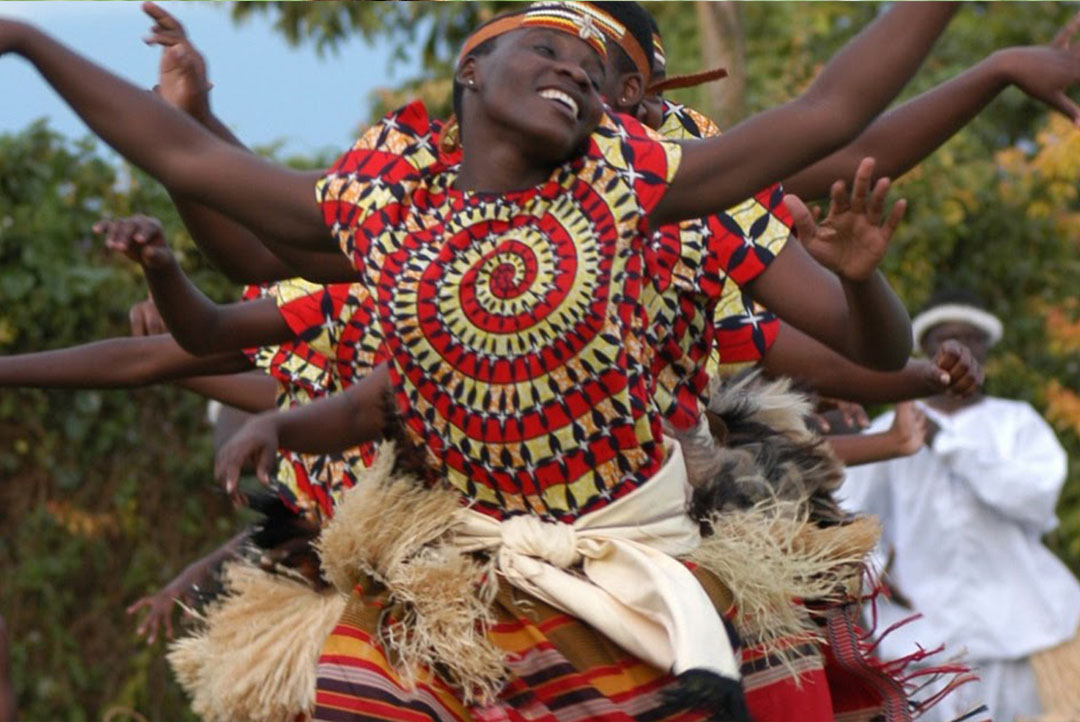
The Buganda Kingdom, founded in the 14th century, is home to the Baganda people, Uganda’s largest ethnic group. The kingdom has played a central role in the country’s political, cultural, and social development. Even today, the Kabaka (King) of Buganda is deeply respected, and traditions remain alive through festivals, music, and ceremonial rituals.
For visitors, the Buganda Kingdom offers an opportunity to experience Ugandan culture beyond wildlife safaris.
Kampala: The Heart of Buganda
Kampala, Uganda’s bustling capital, was built on seven hills, many of which are tied to Buganda’s history. Some highlights you can explore include:
Bulange Mengo: The Buganda Parliament and seat of the kingdom’s government.
Kabaka’s Palace (Lubiri Mengo): The official residence of the Kabaka, a site full of history and royal significance.
Naggalabi Buddo Coronation Site: The place where Buganda kings are crowned.
Each site tells a story of leadership, resilience, and tradition that has shaped Buganda for centuries.
The Kasubi Tombs: A UNESCO World Heritage Site
The Kasubi Tombs in Kampala are the burial grounds of Buganda kings (Kabakas) and an architectural masterpiece of traditional Ganda architecture. Recognized as a UNESCO World Heritage Site, the tombs are considered one of the most important spiritual and cultural landmarks in East Africa.
Why Visit the Kasubi Tombs?
Unique Architecture: Built entirely with natural materials like thatch, wood, and reeds, showcasing traditional craftsmanship.
Cultural Significance: It is not just a burial site but also a spiritual center where rituals and royal traditions are preserved.
Living Heritage: The site is still used for cultural and spiritual ceremonies, offering a chance to witness Uganda’s traditions alive today.
Why Include Buganda Heritage in Your Safari Itinerary?
While Uganda’s national parks, wildlife, and gorilla trekking dominate most safari itineraries, a visit to the Buganda Kingdom sites in Kampala adds a cultural dimension to your trip. Exploring the Kasubi Tombs, the Kabaka’s palace, and other heritage sites allows travelers to:
Connect with Uganda’s people and history.
Experience authentic cultural practices.
Complement wildlife safaris with a deeper understanding of the country.
Practical Information for Travelers
Location: Kampala, central Uganda.
Best Time to Visit: All year round, though dry seasons (June–August, December–February) are more comfortable.
Tours: Most safari operators can arrange a cultural extension to Buganda heritage sites alongside wildlife tours.
Final Thoughts
Visiting the Buganda Kingdom heritage sites in Kampala, especially the Kasubi Tombs, offers an unforgettable journey into Uganda’s past and present. As you plan your safari, consider adding a day or two in Kampala to explore this cultural gem, it will enrich your overall experience of Uganda.