Health and Safety Tips for Uganda and Rwanda Safaris
Traveling to Uganda and Rwanda for a safari is exciting, but it’s important to prepare for your trip with the right health and safety measures. From vaccinations to travel insurance, taking precautions ensures you’ll enjoy your adventure without unnecessary worries. Here’s a complete guide to staying healthy and safe on your East African safari.
Required and Recommended Vaccinations for Uganda Rwanda safari safety
Hepatitis A & B: Protection against food- and water-borne infections.
Typhoid: Common in areas with limited sanitation.
Rabies (Optional): For long stays or rural travel.
4. Malaria Prevention
Both Uganda and Rwanda are malaria zones.
Consult your doctor for antimalarial medication (e.g., Malarone, Doxycycline).
Use insect repellent, wear long sleeves at night, and sleep under mosquito nets.
Travel Insurance for Safaris
Travel insurance is essential for any safari to Uganda and Rwanda. Look for coverage that includes:
Medical emergencies & hospital care
Emergency evacuation (helicopter/air ambulance) — especially important for remote parks
Trip cancellation or interruption
Lost or stolen baggage
Adventure activities like gorilla trekking and hiking
Always carry a printed and digital copy of your policy.
Health & Safety Travel Tips
Stay Hydrated: Drink bottled or filtered water only.
Food Safety: Eat freshly cooked meals; avoid raw street food if unsure.
First Aid Kit: Carry basics like painkillers, bandages, antiseptic wipes, and rehydration salts.
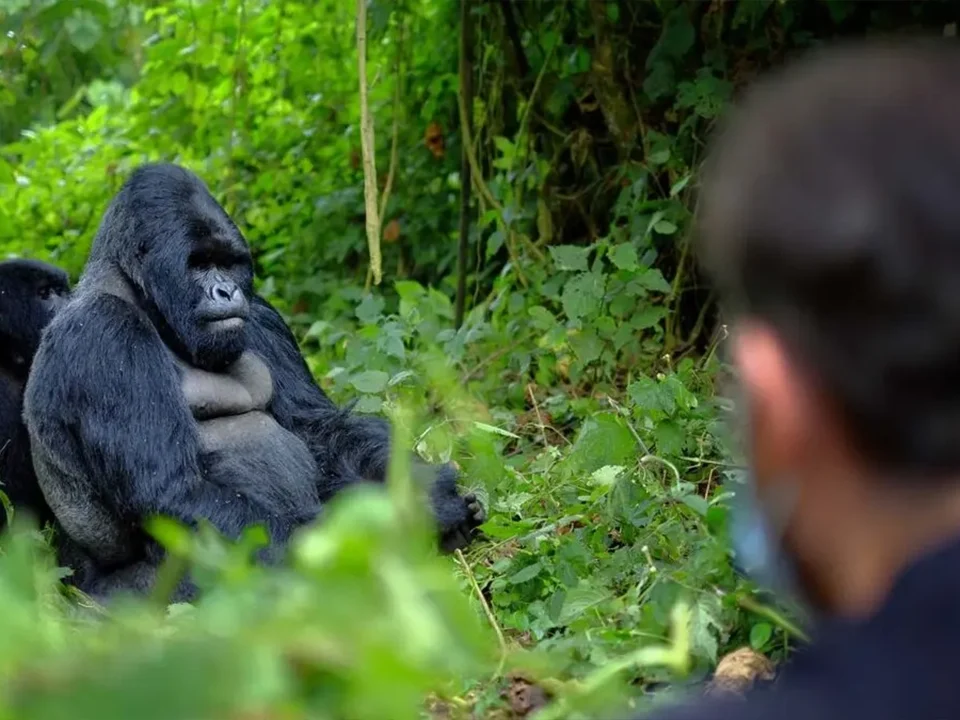
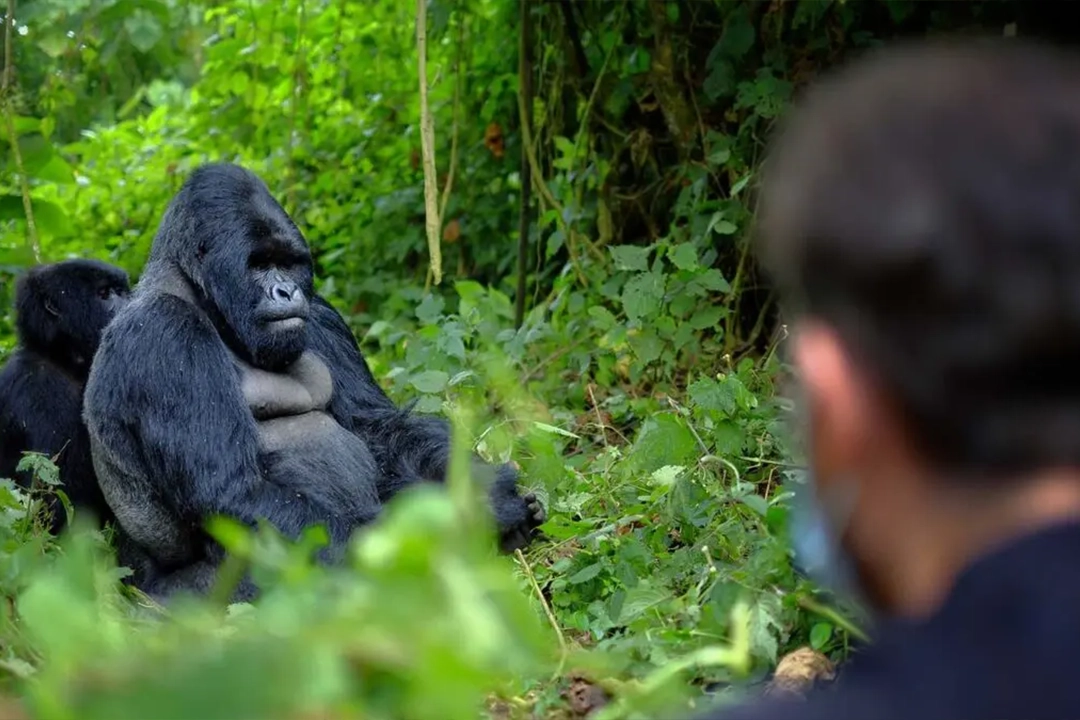
Respect Wildlife: Keep safe distances from animals and follow ranger instructions.
Personal Security: Uganda and Rwanda are generally safe, but take precautions:
Avoid carrying large sums of cash.
Use hotel safes for valuables.
Be cautious in crowded places (markets, bus stations).
Road Safety: Travel with trusted operators; road conditions can vary.
Emergency Numbers:
Uganda Police: 999 or 112
Rwanda Police: 112
Gorilla Trekking Health Requirements
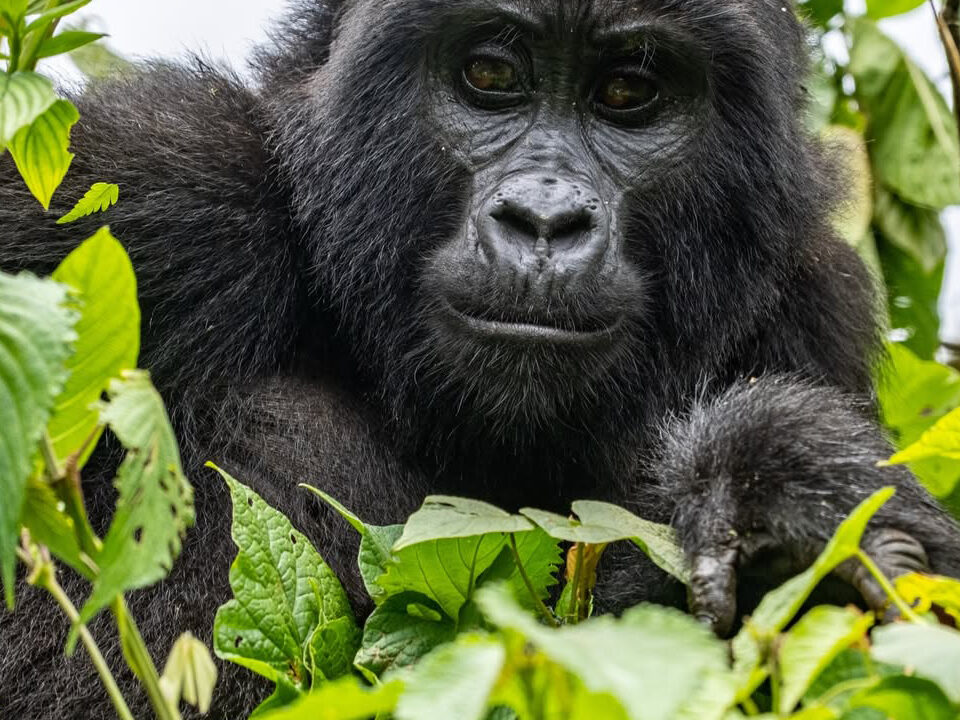
For gorilla trekking in Bwindi, Mgahinga, or Volcanoes National Park, you must:
Be 16 years or older.
Not show signs of flu, cough, or infectious illness (to protect gorillas).
Wear a mask if advised by rangers.
Final Thoughts
Uganda and Rwanda offer safe, professionally managed safari experiences when properly planned. By following vaccination guidelines, malaria prevention advice, wildlife safety protocols, and travel best practices, visitors can focus fully on enjoying extraordinary encounters with gorillas, chimpanzees, and iconic African wildlife.
With the right preparation and a trusted safari operator, a Uganda or Rwanda safari is not only unforgettable—but also safe, well-supported, and deeply rewarding.