Photography safaris Uganda Rwanda
September 22, 2025
How tourism supports local communities Uganda Rwanda
September 22, 2025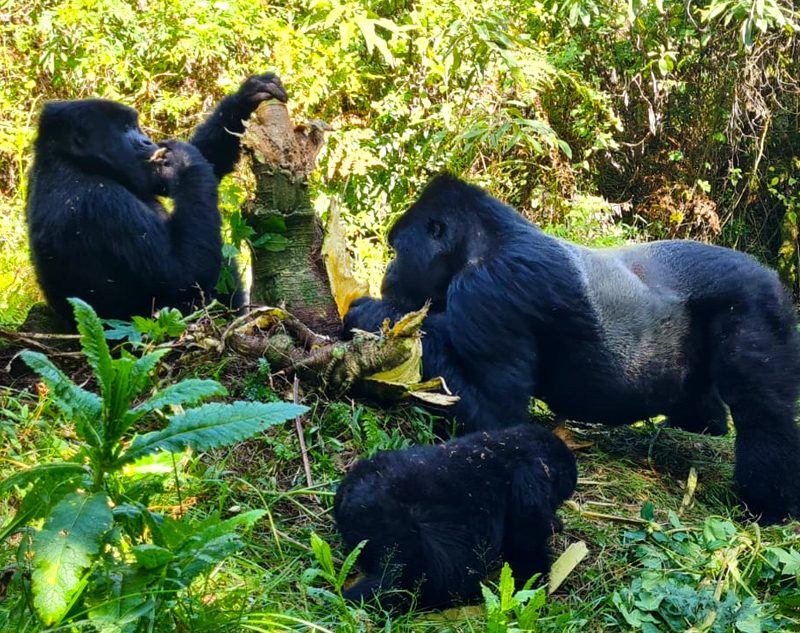
Conservation and Sustainability: Gorilla Conservation Efforts in Uganda and Rwanda
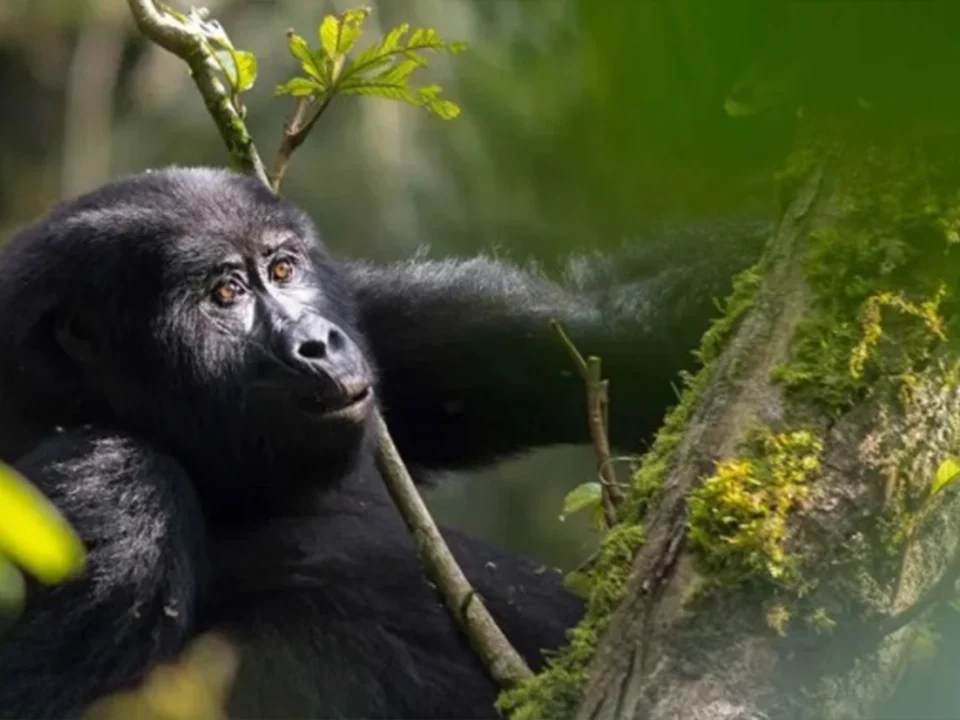
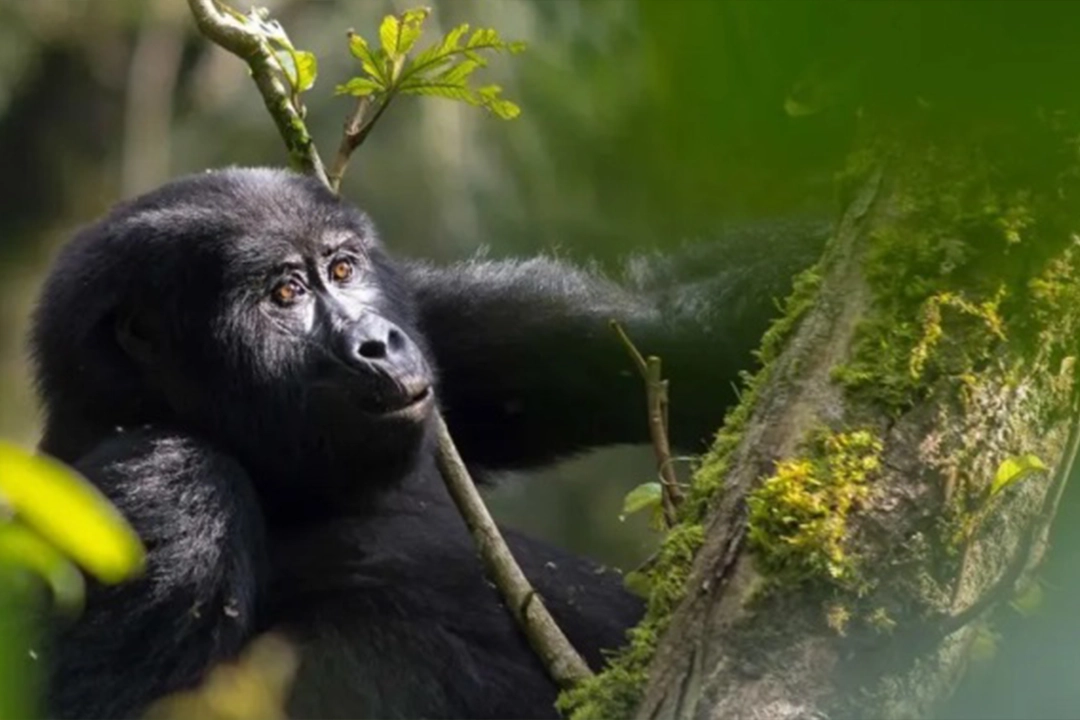
Uganda and Rwanda are home to the world’s last remaining populations of mountain gorillas, a critically endangered species once on the brink of extinction. Thanks to dedicated conservation efforts, gorilla numbers have steadily increased, offering hope for their survival and a chance for travelers to see these magnificent primates in the wild.
For eco-conscious safari-goers, understanding the conservation story behind gorilla trekking adds depth and meaning to the experience.
Why Gorilla Conservation Matters
-
Fewer than 1,100 mountain gorillas remain worldwide, found only in the Virunga Mountains (Rwanda, Uganda, DRC) and Bwindi Impenetrable Forest (Uganda).
-
Gorillas share about 98% of human DNA, making them highly susceptible to diseases.
-
Protecting gorillas helps conserve entire ecosystems, benefiting countless other species.
-
Gorilla tourism provides jobs and community income, reducing dependence on poaching or deforestation.
Key Conservation Efforts in Uganda & Rwanda
1. Gorilla Trekking Permits
-
Revenue from permits (Uganda: $800, Rwanda: $1,500) directly funds conservation and park management.
-
A portion of the fees supports local community projects like schools, clinics, and clean water systems.
2. Community Involvement
-
Local communities are essential to gorilla protection.
-
Initiatives like the Revenue Sharing Program in Uganda ensure that people living near parks benefit from tourism.
-
In Rwanda, projects like Iby’Iwacu Cultural Village provide jobs and reduce reliance on poaching.
3. Anti-Poaching & Ranger Patrols
-
Well-trained rangers protect gorillas from poachers and snares.
-
Conservation organizations provide rangers with modern equipment and training.
4. Habituation Programs
-
Carefully monitored habituation allows gorillas to become accustomed to humans, ensuring safe trekking experiences.
-
Only a few gorillas are habituated at a time to limit human impact.
5. Health Monitoring
-
Veterinary teams (such as the Gorilla Doctors) monitor gorilla health and treat injuries or illnesses.
-
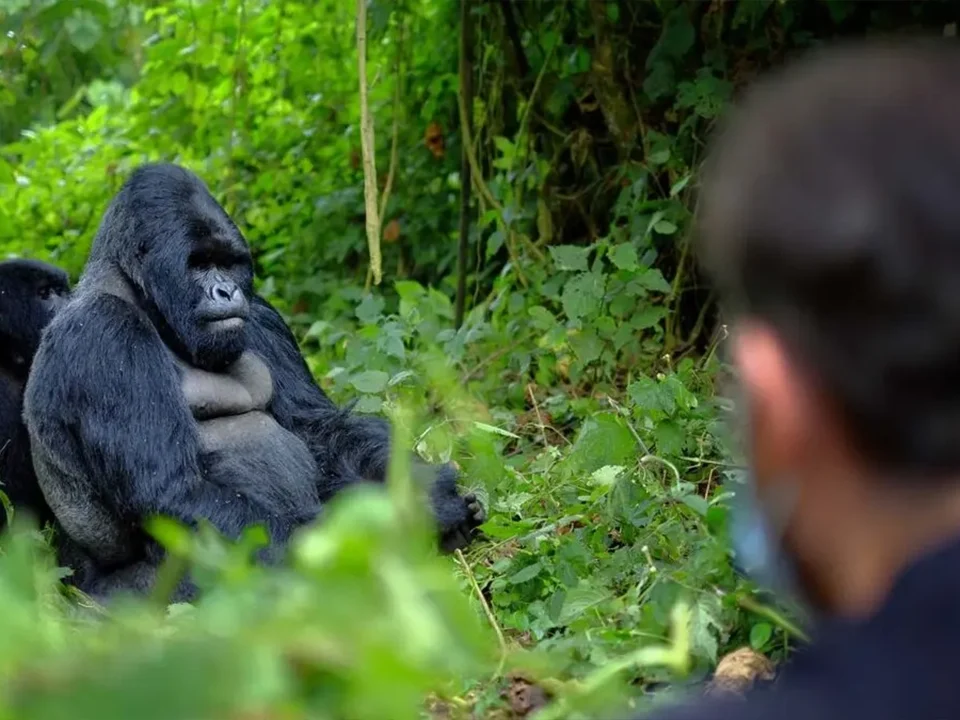
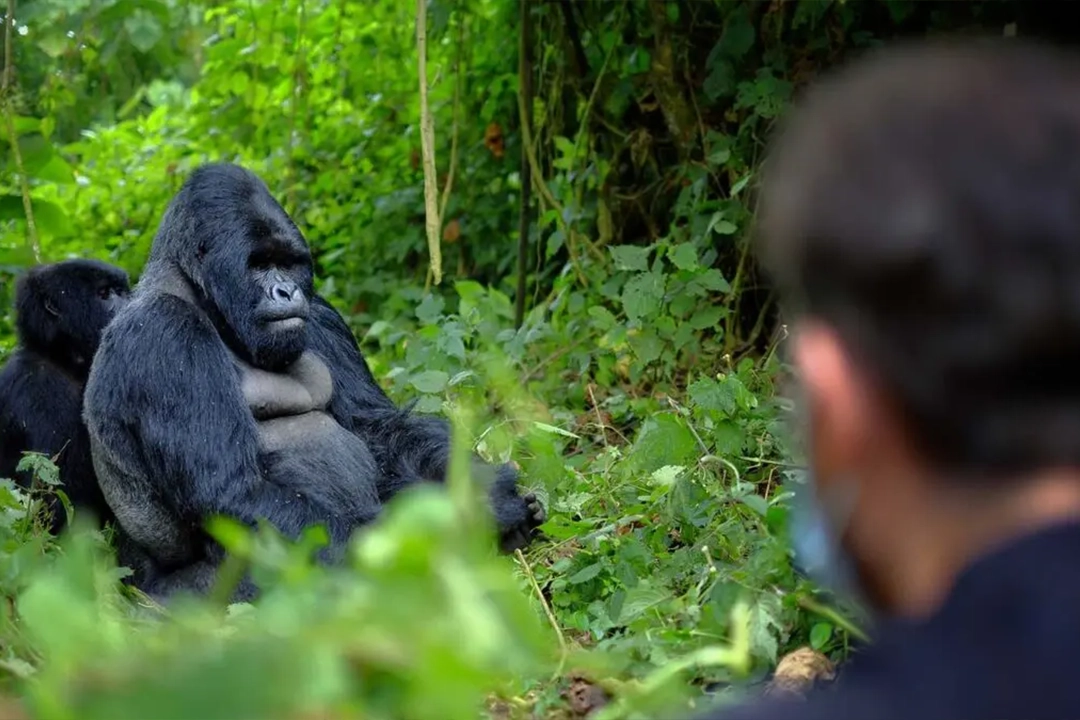
Strict trekking rules (no sick visitors, masks in some areas, 7-meter distance) protect gorillas from human disease.
Success Stories
-
In 2018, mountain gorillas were reclassified from “Critically Endangered” to “Endangered” thanks to growing populations.
-
Bwindi and Volcanoes National Parks have recorded steady increases in gorilla numbers due to conservation efforts.
-
Communities now view gorillas as valuable assets, shifting attitudes from poaching to protection.
How Travelers Can Support Gorilla Conservation
-
Buy Gorilla Permits – Your contribution directly supports protection efforts.
-
Choose Eco-Lodges – Stay at lodges that use sustainable practices and support local communities.
-
Respect Trekking Guidelines – Keep your distance, wear masks if required, and follow ranger instructions.
-
Support Local Communities – Buy local crafts, visit cultural centers, and use community-based services.
-
Spread Awareness – Share your gorilla trekking stories and advocate for conservation.
Final Thoughts
Gorilla trekking in Uganda and Rwanda isn’t just an adventure, it’s a chance to be part of one of the world’s greatest conservation success stories. Every permit purchased, every community supported, and every respectful traveler contributes to the ongoing survival of mountain gorillas.
By choosing a sustainable safari, you help ensure that future generations can marvel at these gentle giants in their natural habitat.