Gorilla Conservation Efforts Uganda Rwanda
September 22, 2025
Eco-lodges Uganda Rwanda
September 22, 2025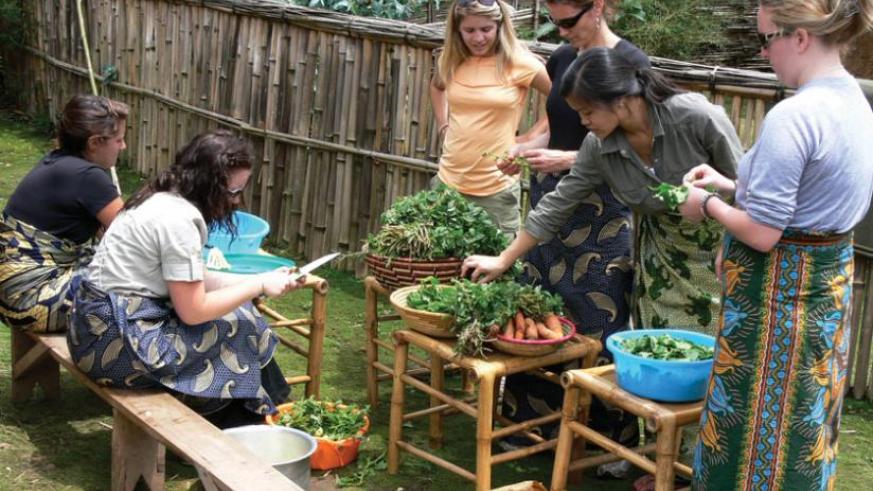
How Tourism Supports Local Communities in Uganda and Rwanda
Tourism Supports Communities Uganda
When travelers think of safaris in Uganda and Rwanda, the first images that come to mind are gorillas, elephants, and breathtaking landscapes. But beyond the wildlife, tourism plays a vital role in improving the lives of people who live around national parks and cultural sites. Every visit, permit, and lodge booking contributes to jobs, education, conservation, and cultural preservation.
Here’s how your safari directly supports local communities in Uganda and Rwanda.
1. Revenue Sharing from Park Fees
Both Uganda and Rwanda have revenue-sharing programs where a percentage of national park entrance and gorilla trekking permit fees goes back to surrounding communities.
-
Uganda: 20% of park entry fees support projects like schools, clinics, and clean water.
-
Rwanda: 10% of gorilla trekking revenue funds community infrastructure, housing, and health centers.
This ensures locals see tangible benefits from tourism and support conservation efforts.
2. Employment Opportunities
Tourism creates thousands of jobs for locals, from guides and rangers to lodge staff and drivers.
-
Community guides lead village walks, birding tours, and cultural demonstrations.
-
Hospitality jobs (chefs, cleaners, receptionists) provide stable income.
-
Craft sellers benefit when travelers buy handmade souvenirs.
These opportunities reduce reliance on poaching or unsustainable farming.
3. Community-Based Tourism Projects
Visitors can directly experience local culture through community tourism initiatives:
-
Iby’Iwacu Cultural Village (Rwanda): Ex-poachers now earn a living showcasing traditional music, dance, and crafts.
-
Bigodi Wetland Sanctuary (Uganda): Community-run birding tours and craft shops generate income while protecting the environment.
-
Batwa Cultural Experiences: Once marginalized, Batwa groups share their traditions and earn income through storytelling and performances.
Such projects preserve cultural heritage while providing sustainable livelihoods.
4. Education and Skills Training
Tourism revenue funds scholarships, schools, and training programs.
-
Children near national parks have greater access to education.
-
Young people are trained as guides, rangers, or hospitality staff, giving them long-term careers.
5. Women and Youth Empowerment
Tourism opens opportunities for groups often left behind:
-
Women’s craft cooperatives supply lodges and tourists with handmade baskets and jewelry.
-
Youth programs train future guides, performers, and entrepreneurs.
-
Income from tourism allows families to improve healthcare, nutrition, and education access.
6. Conservation Through Community Support
When communities benefit from tourism, they become partners in conservation. Locals are more likely to protect wildlife and forests when they see direct benefits like jobs and infrastructure. This approach has been key to the success of gorilla conservation in Uganda and Rwanda.
How Travelers Can Help
-
Buy Local: Support craft markets, cultural centers, and community projects.
-
Stay in Eco-Lodges: Choose lodges that employ locals and invest in community initiatives.
-
Book Community Tours: Visit villages, wetlands, and cultural experiences run by locals.
-
Respect Culture: Engage respectfully, ask questions, and show genuine interest.
Final Thoughts
Tourism in Uganda and Rwanda isn’t just about wildlife encounters — it’s about people. By choosing responsible travel, you become part of a powerful cycle that protects wildlife, preserves culture, and uplifts local communities.
Every trek, tour, and purchase helps transform lives, making your safari not only memorable but also meaningful.