Eco-lodges Uganda Rwanda
September 22, 2025
Planning Your 2026 Uganda Safari? Start Here
September 22, 2025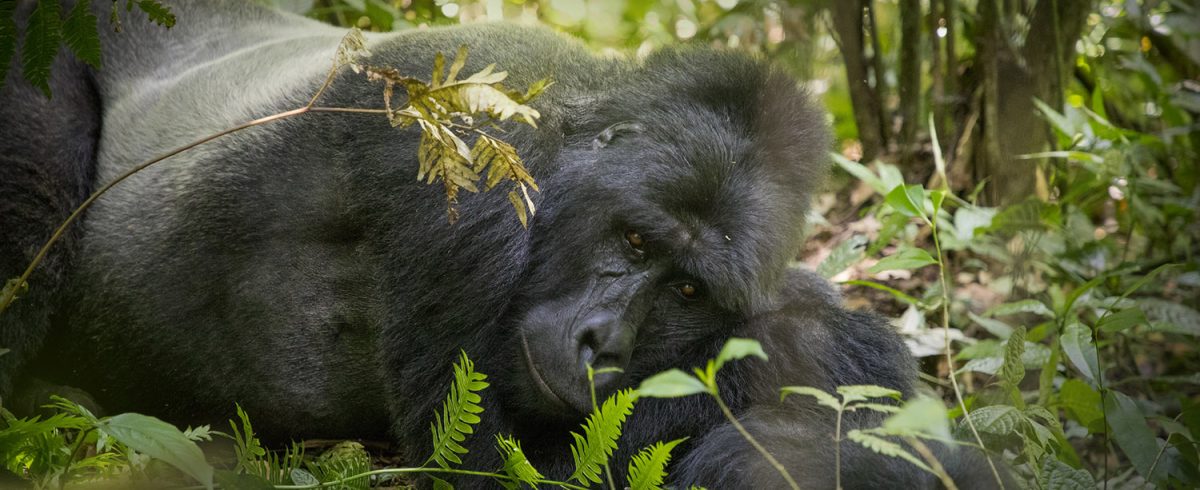
Wildlife Protection Success Stories in Uganda and Rwanda
Wildlife Conservation Uganda Rwanda
When it comes to conservation, Uganda and Rwanda stand out as two of Africa’s greatest success stories. Once facing severe threats from poaching, deforestation, and conflict, both countries have shown how strong policies, community involvement, and responsible tourism can turn the tide for endangered species.
Today, travelers not only witness incredible wildlife but also become part of a bigger story — the story of recovery and hope.
1. Mountain Gorilla Recovery
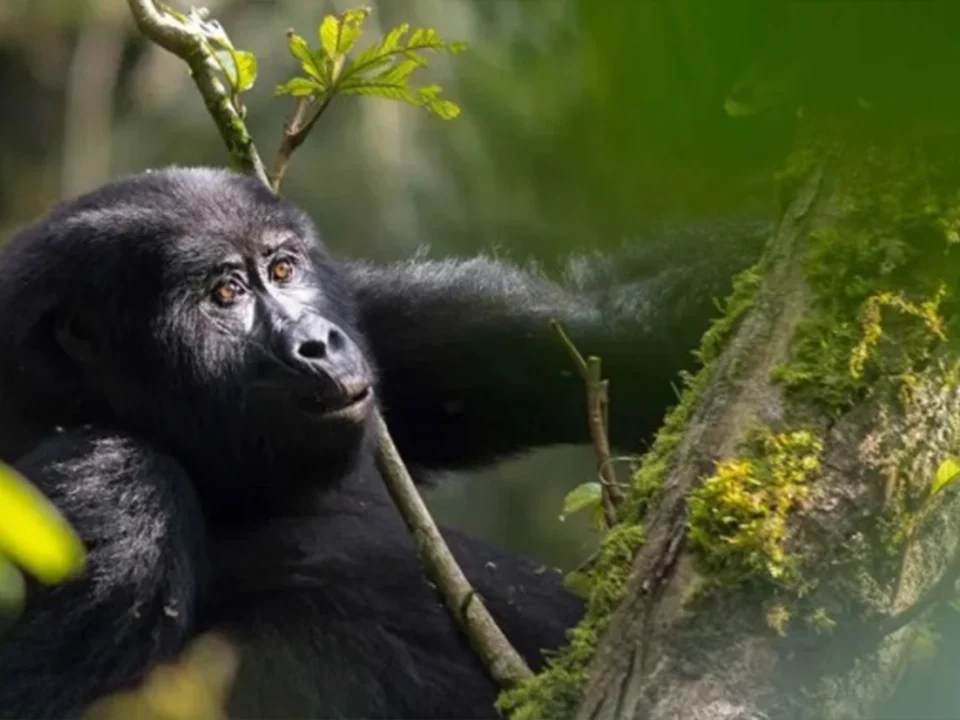
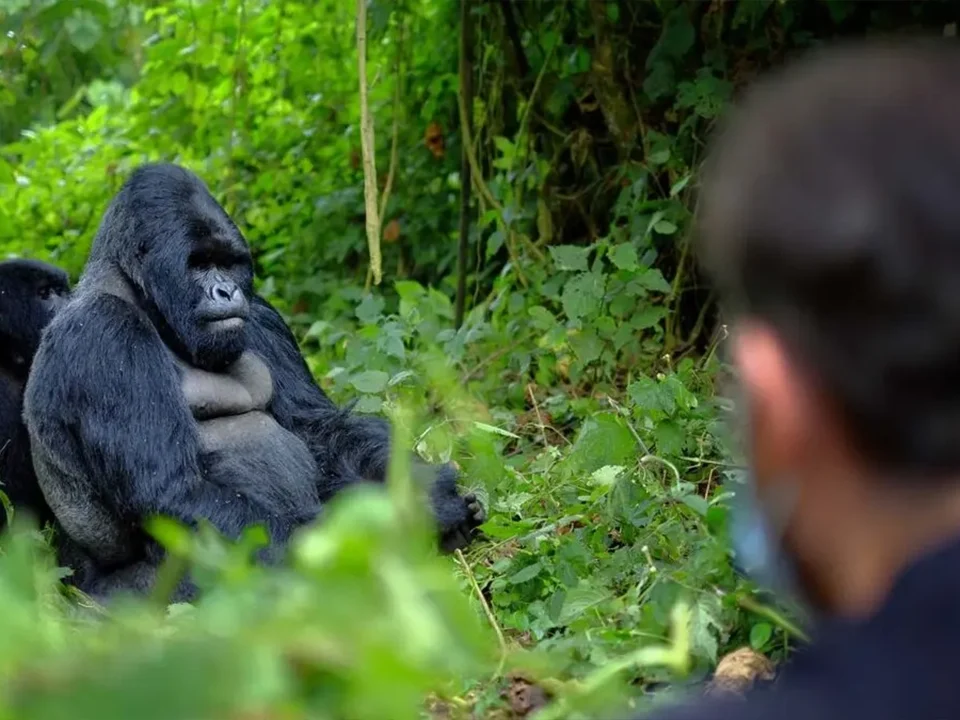
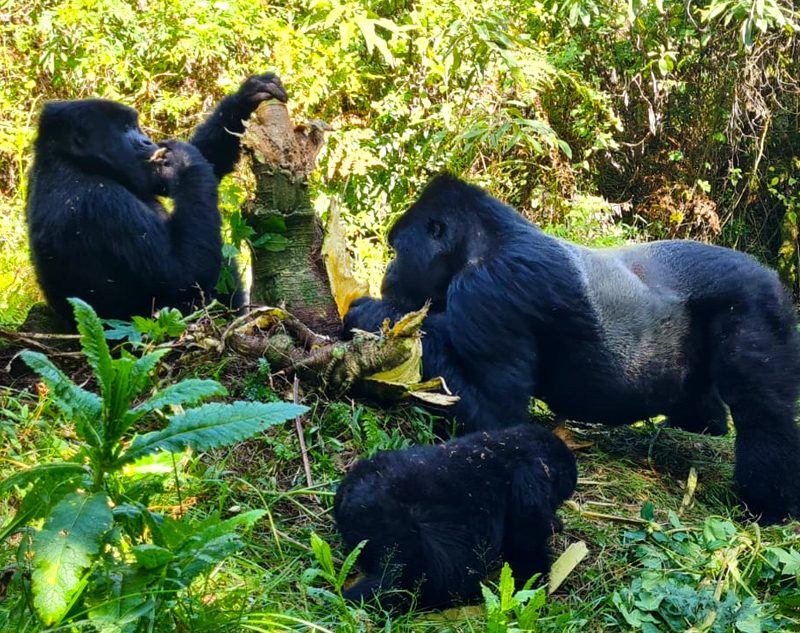
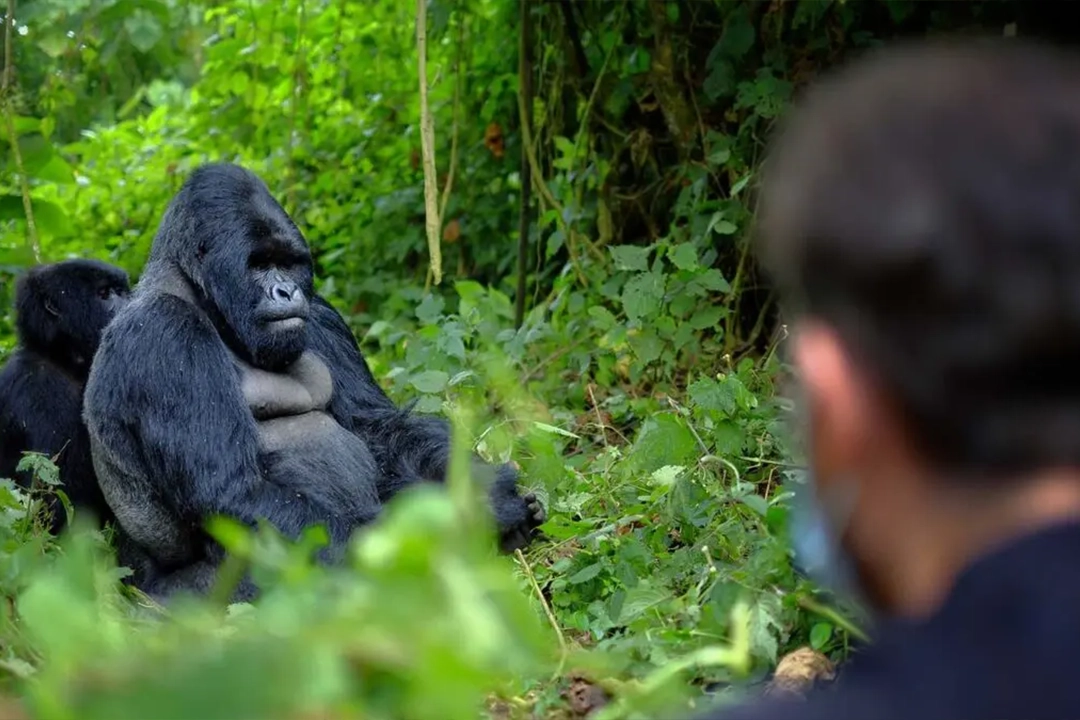
Perhaps the most celebrated conservation success in East Africa is the recovery of mountain gorillas.
-
In the 1980s, fewer than 300 gorillas were left in the wild.
-
Thanks to intensive protection efforts, gorilla numbers have risen to over 1,000 individuals across Uganda, Rwanda, and DRC.
-
Gorilla trekking tourism provides critical funding for ranger patrols, veterinary care, and community projects.
-
Today, Bwindi Impenetrable National Park (Uganda) and Volcanoes National Park (Rwanda) are conservation models admired worldwide.
2. The Big Five Return to Rwanda
Rwanda’s Akagera National Park was once devastated by poaching and human settlement after the 1994 genocide. Much of the wildlife disappeared. But through a groundbreaking partnership with African Parks:
-
Lions were reintroduced in 2015, followed by rhinos in 2017.
-
Today, Akagera is home to the Big Five (lion, leopard, elephant, buffalo, and rhino).
-
Poaching has drastically reduced, and tourism is revitalizing local economies.
This revival makes Akagera one of Africa’s top examples of successful park restoration.
3. Shoebill Stork Protection in Uganda
The shoebill stork, one of the world’s rarest and most striking birds, has found refuge in Uganda’s wetlands.
-
Areas like Mabamba Swamp near Entebbe have become safe havens thanks to community-led conservation.
-
Local guides protect the wetlands while earning income from birdwatching tourism.
-
This balance of tourism and conservation helps safeguard both the shoebill and its habitat.
4. Community Partnerships with Former Poachers
In both Uganda and Rwanda, conservation has shifted by involving communities once reliant on poaching.
-
Iby’Iwacu Cultural Village (Rwanda): Former poachers now earn a living through cultural performances and tourism.
-
Bigodi Wetland Sanctuary (Uganda): Locals lead tours, earning income while protecting biodiversity.
This community-driven approach has not only reduced poaching but also fostered pride in protecting natural heritage.
5. Kibale’s Chimpanzee Conservation Success
Kibale National Park (Uganda) is home to one of the largest chimpanzee populations in Africa.
-
Long-term research and protection programs have stabilized chimp numbers.
-
Trekking permits and eco-tourism fund anti-poaching patrols and community schools.
-
Kibale is now a prime destination for responsible chimpanzee tourism.
6. Lake Mburo’s Rebound
Once heavily affected by poaching, Lake Mburo National Park has seen a strong recovery of species like zebras, impalas, and hippos.
-
Community cooperation and eco-tourism have restored the park’s wildlife populations.
-
It now serves as a family-friendly park and a model for small-scale conservation success.
Final Thoughts
The wildlife protection success stories of Uganda and Rwanda show what’s possible when governments, conservation groups, and local communities work together. From the majestic mountain gorilla to the revival of lions and rhinos, these stories prove that conservation doesn’t just save animals, it uplifts communities and sustains tourism.