How tourism supports local communities Uganda Rwanda
September 22, 2025
Wildlife conservation success stories Uganda Rwanda
September 22, 2025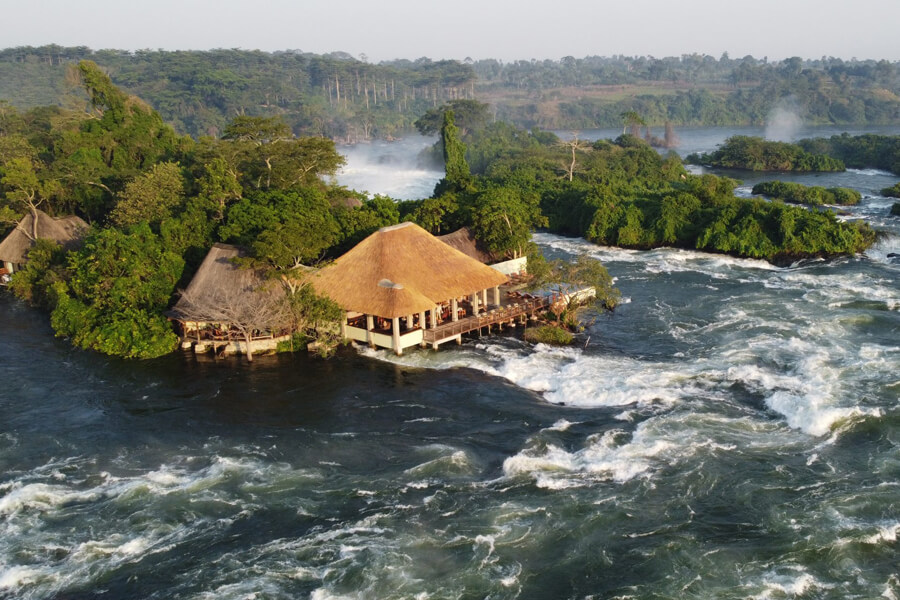
Eco-Lodges and Responsible Travel Practices in Uganda and Rwanda
Eco-Lodges Uganda Rwanda
When traveling to Uganda and Rwanda, it’s not just about wildlife encounters and stunning landscapes — it’s also about making choices that protect the environment and support local communities. By staying in eco-lodges and adopting responsible travel practices, safari-goers can help preserve East Africa’s natural treasures for generations to come.
What Makes an Eco-Lodge?
Eco-lodges are accommodations designed to minimize environmental impact while maximizing community benefits. Common features include:
-
Sustainable energy (solar panels, hydro power).
-
Water conservation systems.
- Locally sourced materials in construction and design.
-
Community employment and cultural experiences.
-
Wildlife-friendly operations (no single-use plastics, organic waste management).
Top Eco-Lodge Experiences in Uganda
-
Kyambura Gorge Lodge (Queen Elizabeth NP)
-
Solar-powered with eco-friendly design.
-
Supports reforestation and chimpanzee conservation.
-
-
Buhoma Lodge (Bwindi Impenetrable NP)
-
Locally built from sustainable materials.
-
Provides jobs for nearby communities.
-
-
Nile Safari Lodge (Murchison Falls NP)
-
Award-winning eco-lodge overlooking the Nile.
-
Blends luxury with sustainability.
-
-
Lake Bunyonyi Eco Resort
-
Built with natural materials, powered by solar.
-
Promotes cultural exchanges with local communities.
-
Top Eco-Lodge Experiences in Rwanda
-
Bisate Lodge (Volcanoes NP)
-
Renowned for its reforestation projects and community programs.
-
Luxury with a strong sustainability ethos.
-
-
Magashi Camp (Akagera NP)
-
Operated by Wilderness Safaris, focusing on low-impact tourism.
-
Involved in anti-poaching and conservation initiatives.
-
-
Nyungwe House (Nyungwe NP)
-
Works closely with local farmers and communities.
-
Combines modern comfort with eco-conscious practices.
-
Responsible Travel Practices
Travelers can also play a role in sustainability by making thoughtful choices:
1. Respect Wildlife
-
Keep a safe distance, never feed animals, and follow ranger instructions.
-
Avoid flash photography during gorilla or chimp treks.
2. Support Local Communities
-
Buy handicrafts from local artisans.
-
Join community-led tours and cultural experiences.
-
Dine at restaurants that source food locally.
3. Travel Light & Smart
-
Carry reusable water bottles and bags.
-
Pack eco-friendly toiletries and biodegradable products.
-
Minimize single-use plastics.
4. Choose Sustainable Operators
-
Book with tour companies that prioritize conservation and community partnerships.
-
Check if lodges are certified by sustainability organizations.
5. Offset Your Carbon Footprint
-
Use carbon offset programs to balance the environmental impact of flights.
-
Consider traveling overland between Uganda and Rwanda instead of extra flights.
Why It Matters
By staying in eco-lodges and practicing responsible travel, visitors help:
-
Protect endangered wildlife like mountain gorillas.
-
Preserve fragile ecosystems such as rainforests and wetlands.
-
Create lasting benefits for local communities.
-
Ensure tourism remains sustainable for future generations.
Final Thoughts
Eco-tourism in Uganda and Rwanda is not just a trend — it’s a responsibility. Choosing eco-lodges and sustainable practices makes your safari more meaningful, ensuring that your journey contributes positively to the environment and the people who call it home.
Your safari can be more than an adventure, it can be a force for good.