Gorilla Trekking from the USA
February 10, 2026
Gorilla Trekking from Masai Mara
February 13, 2026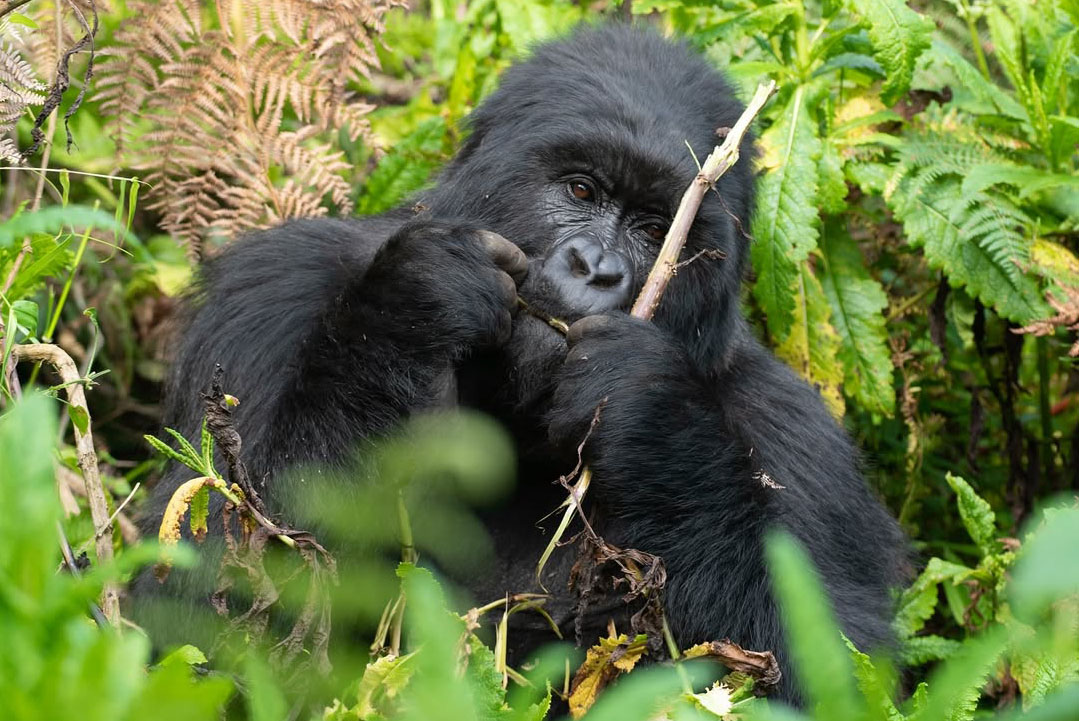
Gorilla Trekking from the UK: Your Complete Guide to an Unforgettable African Safari
Introduction: Why Gorilla Trekking Is Worth the Journey
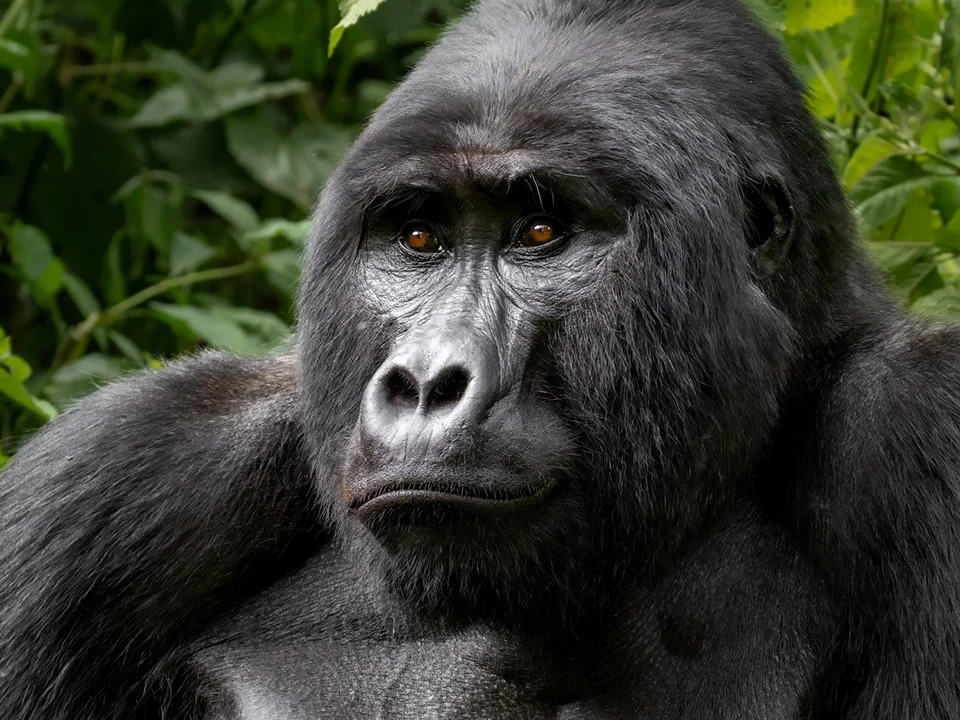
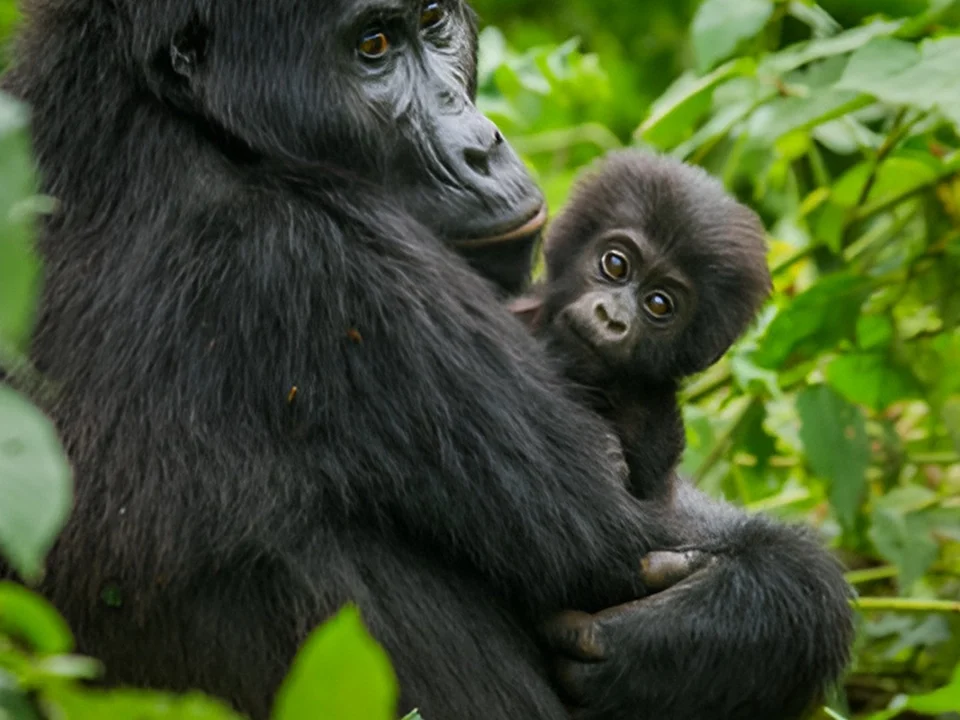
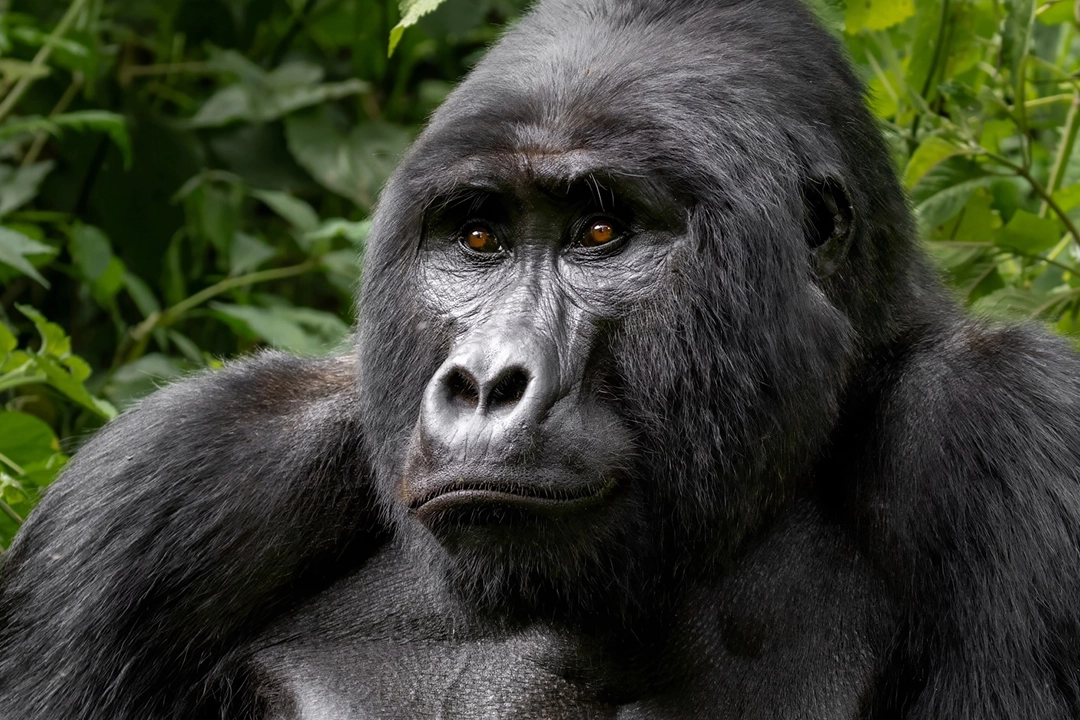
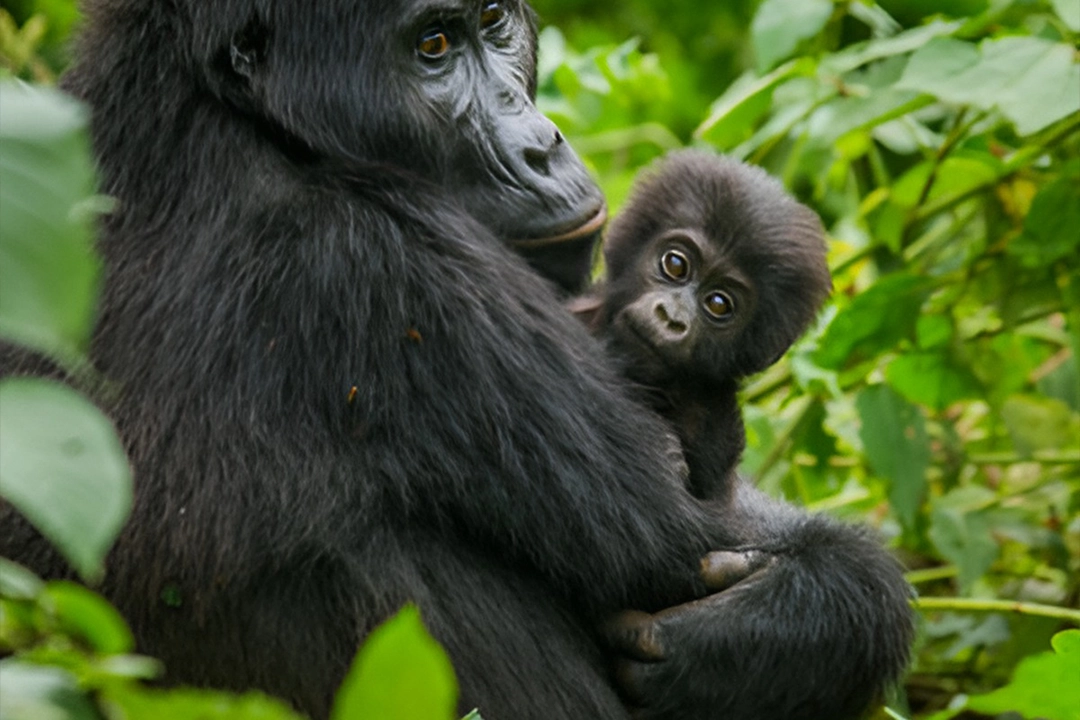
For travellers from the United Kingdom, gorilla trekking in East Africa is one of the most extraordinary wildlife adventures available. Standing just metres away from endangered mountain gorillas in their natural rainforest habitat is an emotional and unforgettable experience. While the journey from the UK to Uganda or Rwanda involves long-haul flights, the reward is a rare and deeply moving wildlife encounter combined with breathtaking landscapes and meaningful conservation impact.
Where to Go: Uganda or Rwanda?
UK travellers typically choose between Uganda and Rwanda for gorilla trekking. Uganda offers excellent value and multiple trekking regions within Bwindi Impenetrable National Park, as well as Mgahinga Gorilla National Park. It is ideal for travellers who want to combine gorilla trekking with classic savannah safaris. Rwanda, by contrast, offers a more compact itinerary, with Volcanoes National Park located only a few hours from Kigali. Rwanda is often favoured by luxury travellers and those with limited time. Both destinations provide highly regulated, safe, and professionally guided trekking experiences.
Flights from the UK to East Africa
There are no direct flights from the UK to Uganda or Rwanda, but convenient one-stop routes are available from London Heathrow, London Gatwick, and Manchester via hubs such as Doha, Dubai, Istanbul, Amsterdam, or Addis Ababa. Total travel time usually ranges between 12 and 18 hours depending on connections. Most flights arrive at Entebbe International Airport (Uganda) or Kigali International Airport (Rwanda). Many UK travellers choose overnight flights to maximise rest and begin their safari refreshed.
Visa and Entry Requirements for UK Citizens
British passport holders require a visa to enter Uganda, which can be obtained online through the e-visa system prior to travel. Rwanda offers visa-on-arrival for UK citizens. Passports must be valid for at least six months beyond the date of entry. A yellow fever vaccination certificate is mandatory when entering both countries. It is also advisable to check current travel health recommendations and obtain comprehensive travel insurance that covers medical evacuation and adventure activities.
Gorilla Trekking Permits: Booking in Advance
A gorilla trekking permit is essential and must be secured before travel. In Uganda, permits allow one hour with a habituated gorilla family, while the Gorilla Habituation Experience provides up to four hours with researchers and trackers. Rwanda also offers one-hour trekking permits in Volcanoes National Park. Due to high demand, especially during the UK’s summer holidays and festive season, permits should be booked several months in advance through a trusted safari operator.
Best Time for Gorilla Trekking from UK
Gorilla trekking is available year-round, but most UK travellers prefer the dry seasons from June to September and December to February. These months typically offer more stable weather and better hiking conditions. The green seasons (March–May and October–November) bring lush scenery and fewer visitors, often with more competitive lodge rates. Regardless of season, gorilla sightings remain consistent thanks to expert tracking teams who monitor the gorilla families daily.
What to Expect on Trekking Day
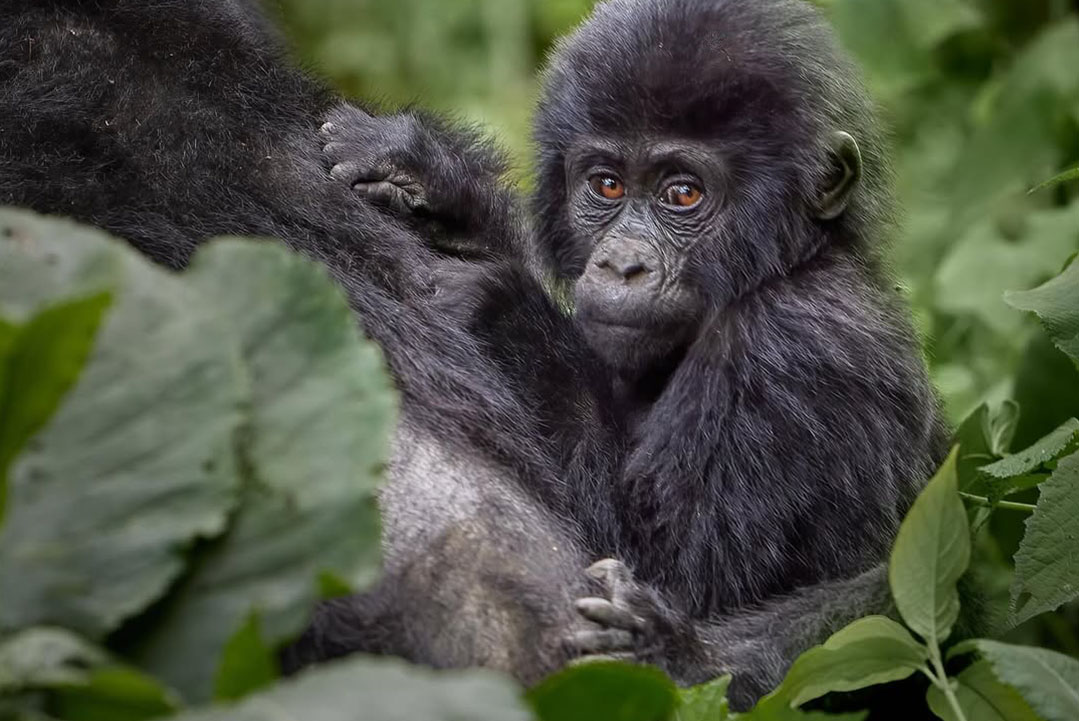
Gorilla trekking begins early with a briefing at park headquarters, where guests are assigned to a specific gorilla family based on fitness levels and group size. Treks vary in length and difficulty, lasting anywhere from one to six hours depending on the gorillas’ movements. The terrain can be steep and muddy, but experienced guides and armed rangers accompany every group. Once the gorillas are located, visitors spend a strictly regulated hour observing them feed, groom, and interact—an experience that is both humbling and awe-inspiring.
Fitness and Preparation
While gorilla trekking does not require advanced athletic ability, a reasonable level of fitness is recommended. Trails can be uneven, humid, and physically demanding. UK travellers are advised to bring sturdy hiking boots, waterproof clothing, gardening gloves for gripping vegetation, and a lightweight daypack. Hiring a local porter is highly encouraged—not only does it ease the trek, but it also directly supports local livelihoods.
Accommodation Options for UK Travellers
Accommodation near gorilla trekking sectors ranges from luxury eco-lodges to mid-range and budget-friendly camps. Many UK travellers prefer lodges offering private cottages, en-suite bathrooms, quality dining, and scenic views of the forest. Staying near the trekking sector reduces early morning travel time and allows for a more relaxed safari pace. Luxury travellers can opt for high-end lodges with spa services and personalised experiences, while adventure-focused guests may prefer comfortable mid-range options.
Safety and Conservation Standards
Gorilla trekking in Uganda and Rwanda is carefully managed to protect both visitors and wildlife. Only a limited number of permits are issued per day, ensuring minimal disturbance to the gorillas. Visitors must maintain a safe distance, follow ranger instructions, and adhere to conservation guidelines. The parks are secure and monitored, and trekking groups are accompanied by trained rangers for safety. Both countries have established strong tourism frameworks that prioritise visitor well-being.
Adding More to Your Safari
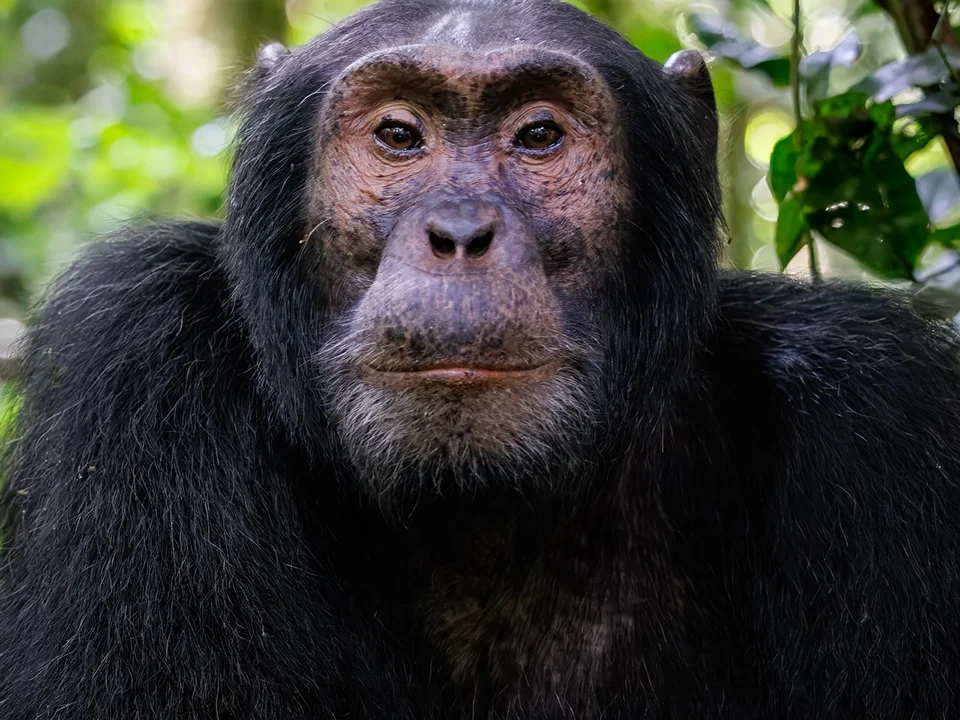
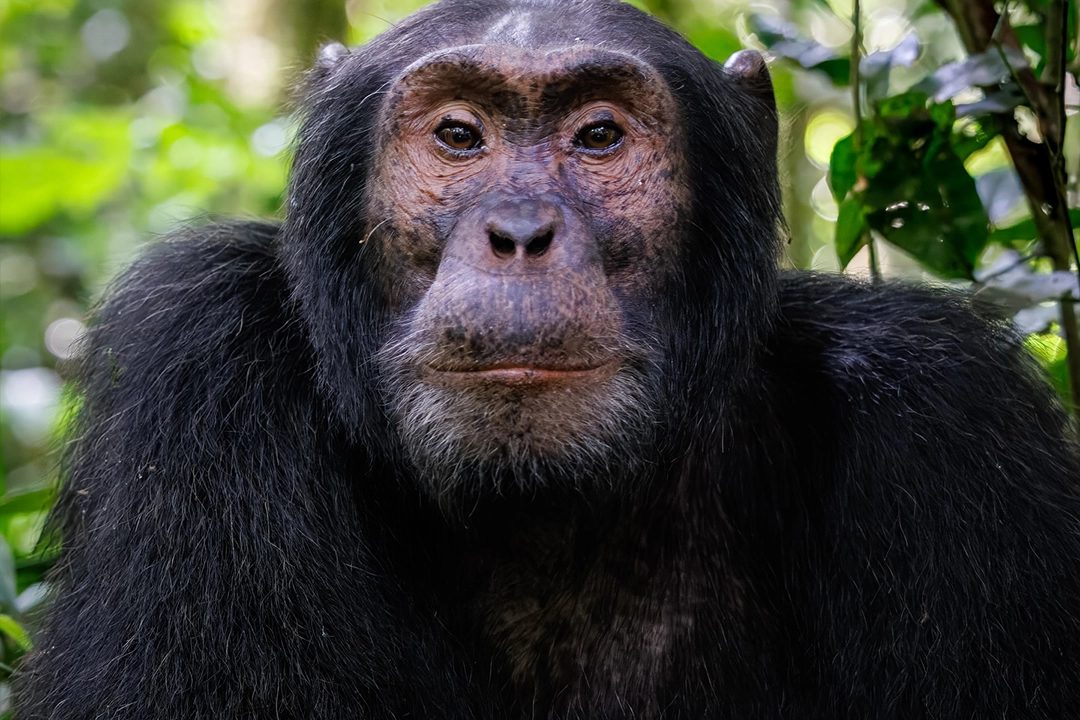
For many UK travellers, gorilla trekking forms part of a broader East African adventure. Popular add-ons include wildlife safaris in Queen Elizabeth National Park, Murchison Falls National Park, or Akagera National Park, chimpanzee trekking experiences, boat safaris, or relaxation by Lake Bunyonyi. Combining activities makes the long-haul journey more rewarding and provides a diverse safari experience.
Cultural Encounters and Community Impact
Gorilla trekking contributes significantly to conservation and community development. Many lodges and safari operators offer cultural experiences such as village walks, coffee tours, traditional dance performances, and craft visits. These experiences provide insight into local life and demonstrate how tourism supports education, healthcare, and sustainable livelihoods around the national parks.
Why Book Through a Professional Safari Operator
Planning gorilla trekking from the UK involves coordinating flights, permits, ground transfers, accommodation, and park logistics. Booking through an experienced safari operator ensures that every detail is handled smoothly. A professional operator can secure permits, recommend suitable lodges, arrange airport transfers, and provide on-the-ground support, ensuring a stress-free and well-organised safari.
Conclusion: A Once-in-a-Lifetime Experience from the UK
Gorilla trekking from the UK is a remarkable journey that combines adventure, wildlife, and meaningful travel. With proper planning and expert guidance, British travellers can enjoy a safe, seamless, and unforgettable encounter with mountain gorillas in Uganda or Rwanda. The experience goes beyond wildlife viewing—it creates lasting memories and contributes directly to the protection of one of the world’s most endangered species.